

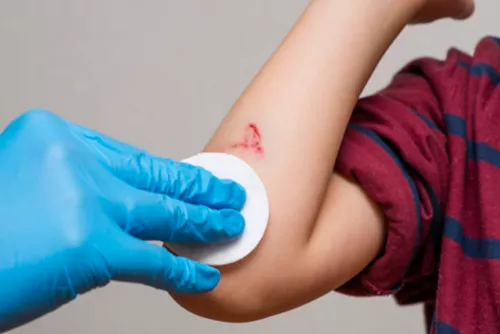
Caring for wounds at home is a commonplace necessity that arises from minor cuts, abrasions, or post-surgery care. Effective wound care facilitates not only a speedy recovery but also prevents potential complications such as infections and scarring. It’s critical for individuals to understand the fundamentals of managing wounds to ensure proper healing.
Understanding the Healing Process
The body’s natural healing process consists of four primary phases: hemostasis, inflammation, proliferation, and maturation. Each stage plays a vital role, from the initial clot formation to the final remodelling of tissue. Recognising the signs of each stage can aid in determining the appropriate care at every step of the recovery.
Cleanliness and Hygiene
The first principle of home-based wound management is maintaining cleanliness. Washing hands before and after touching the wound or changing the dressing is imperative to avoid introducing new pathogens. A clean environment contributes significantly to preventing infections that could impede the healing process.
Regular Assessment and Care
Regularly inspecting the wound is essential for timely intervention should any signs of infection or poor healing surface. Examining the wound for redness, swelling, heat, pain, and the presence of pus gives clues to the wound’s progress or any issues that need further medical attention.
Choosing the Right Dressing
The choice of dressing plays a pivotal role in managing exudate, protecting the wound from external irritants, and providing an optimal environment for healing. Various types of dressings available cater to specific requirements such as maintaining moisture levels, absorbing excess exudate, or even delivering antiseptic solutions to the wound bed.
Importance of a Proper Diet
Nutrition should not be overlooked when it comes to wound healing. Certain nutrients like proteins, vitamins A and C, and minerals such as zinc are crucial for tissue repair and immune function. A well-balanced diet aids in providing the necessary building blocks for new tissue formation and resistance to infection.
Hydration is Key
Adequate hydration is another vital aspect of wound care. Water is a major component of healthy cells, and its intake ensures that the body remains well-equipped to carry out reparative functions. Keeping hydrated supports the overall circulatory system, which is paramount in transporting nutrients and immune cells to the wound site.
Pain Management
Wounds can invariably cause discomfort or pain, making pain management a crucial component of home care. Over-the-counter pain relief medications can be employed, but should be taken in accordance with a healthcare professional’s guidance to avoid interference with the healing phases.
Mobility and Rest
Striking a balance between rest and mobility can influence wound healing. While ample rest is necessary, some movement can promote circulation, enhancing the supply of oxygen and nutrients which are vital for tissue repair. However, it’s important to avoid placing undue stress on the healing wound.
Stopping the Bleeding
When a wound first occurs, stemming the bleeding is the immediate priority. Applying gentle pressure with a sterile gauze or clean cloth helps to control bleeding and allows the natural clotting process to occur. In cases of severe bleeding, swift medical attention is a necessity.
Avoiding Certain Substances
Substances such as alcohol, nicotine and certain medications can impede the body’s healing process. Smoking, for instance, constricts blood vessels and impairs oxygen delivery to the wound, thereby slowing the healing rate. Awareness and moderation of such substances are advised during the recovery phase.
Monitoring for Complications
Complications can arise even with meticulous care. Symptoms like persistent pain, fever, odour, or drainage should be taken seriously, as they could signal an infection. In such cases, consulting a healthcare provider is crucial to receive appropriate treatment and prevent further complications.
Professional Advice
Although many wounds can be managed at home, there are situations where professional advice and treatment are paramount for proper healing. If there’s uncertainty about how to treat a wound or if a wound exhibits problematic symptoms, seeking medical guidance is always the prudent course of action.
Emotional and Psychological Support
The process of healing is not solely physical. Recovering from a wound, especially a severe one or resulting from surgery, can be emotionally taxing. Having support from family and friends, or professional counselling services can make the journey to recovery less arduous.
Educating Oneself on Wound Care
Education on wound management is an empowering tool for individuals. Understanding the type of wound, the estimated healing time, potential risks, and when to seek help are all part and parcel of effective care. Access to reliable resources and healthcare professionals for questions or concerns can further bolster an at-home care regimen.
In conclusion, managing wounds at home involves a comprehensive approach that spans proper hygiene, regular assessment, selecting the right dressing, and attention to diet and hydration. Additionally, appropriate pain management, a balance of rest and mobility, and monitoring for complications are all facets that contribute to effective wound care. Being informed and vigilant while caring for wounds at home not only promotes healing but can also significantly reduce the risk of long-term complications.
