



Every year, more parents find themselves scrutinizing ingredient labels on baby products, and for good reason. Studies continue to reveal that many conventional baby wipes contain chemicals linked to skin irritation, hormonal disruption, and allergic reactions in infants. For caregivers seeking a cleaner alternative, baby water pipes represent an innovative approach to daily hygiene that eliminates the need for harsh synthetic ingredients altogether. These specialized water-based wipes and care systems offer the cleaning power parents need without exposing delicate newborn skin to alcohol, fragrances, or preservatives that have no place near a baby’s body. The problem is widespread—most standard wipes on store shelves contain a cocktail of chemicals that many adults wouldn’t willingly apply to their own skin, let alone their infant’s. This article will walk you through everything you need to know about baby water pipes, from understanding what makes them different to implementing a fully chemical-free care routine that keeps your baby comfortable, healthy, and protected from unnecessary toxin exposure.
What Are Baby Water Pipes? Redefining Safe Baby Care
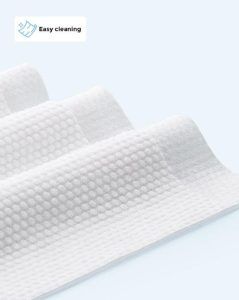
Baby water pipes refer to specialized baby care systems built around water-based formulations that clean infant skin without relying on synthetic chemicals. At their core, these products use purified water as the primary active ingredient, sometimes combined with a drop of fruit extract or a gentle plant-based moisturizer to maintain skin softness. Unlike traditional baby wipes that depend on alcohol, artificial fragrances, chlorine, and chemical preservatives to achieve their cleaning effect, baby water pipes work by leveraging the natural solvent properties of highly purified water paired with soft, textured fabric designed to lift residue mechanically rather than chemically. This approach respects the infant skin barrier, which is up to thirty percent thinner than adult skin and far more permeable to outside substances. Traditional wipes often strip natural oils from a baby’s skin while depositing synthetic residues that accumulate over time. Baby water pipes, by contrast, promote the skin’s own protective function by keeping it clean without disruption. They serve every daily need—from diaper changes to wiping hands and faces after meals—making them a versatile foundation for parents committed to reducing their child’s chemical exposure from day one.
The Critical Need for Non-Toxic Baby Wipes: Protecting Delicate Skin
Standard baby wipes harbor a troubling array of chemicals that most parents never question. Parabens, used as preservatives, mimic estrogen in the body and have been detected in infant urine samples after routine wipe use. Phthalates, often hidden under the umbrella term “fragrance,” interfere with endocrine function during critical developmental windows. Phenoxyethanol, methylisothiazolinone, and bronopol round out the list of common irritants that trigger contact dermatitis, eczema flares, and persistent diaper rashes in sensitive infants. The cumulative effect matters enormously—a baby may encounter these substances dozens of times daily across thousands of diaper changes in the first year alone. Research published in pediatric dermatology journals has linked repeated exposure to preservative-heavy wipes with increased rates of allergic sensitization, meaning a child’s immune system becomes primed to overreact to substances it might otherwise tolerate. This isn’t theoretical risk; pediatricians regularly trace unexplained rashes back to wipe ingredients rather than food allergies or detergents. The growing demand for safer alternatives reflects parents who have connected these dots and refuse to accept unnecessary chemical exposure as the cost of convenience.

Identifying Hidden Toxins in Everyday Products
Reading labels effectively requires knowing what to flag. Avoid anything listing fragrance or parfum, as these terms can mask dozens of undisclosed chemicals. Watch for polyethylene glycol (PEG compounds), which may contain carcinogenic contaminants, and sodium laureth sulfate, a foaming agent that strips protective skin oils. Claims like “dermatologist tested” or “hypoallergenic” carry no regulatory weight and don’t guarantee safety. Instead, look for products with ingredient lists short enough to read in seconds—purified water, a single plant-derived moisturizer like grapefruit seed extract, and nothing else. Certifications from independent organizations that test for toxic substances offer more reliable assurance than marketing language printed on packaging.
Key Features of Effective Baby Water Pipes: Pure Water Wipes and Moisture Lock
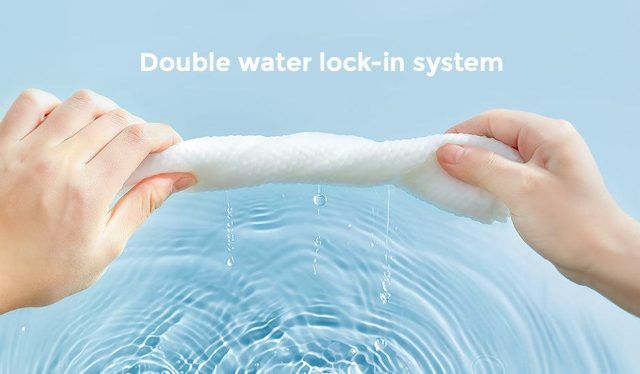
The effectiveness of baby water pipes hinges on two core innovations that set them apart from conventional options: pure water formulations and moisture lock technology. Pure water wipes use water that has been purified through multiple filtration stages, removing chlorine, heavy metals, and microbial contaminants while retaining the gentle cleaning ability that makes water the safest solvent for infant skin. This foundation means every wipe that touches your baby delivers nothing but clean hydration paired with mechanical cleaning action from carefully engineered fabric textures. Moisture lock technology addresses the practical limitation that has historically plagued water-based wipes—drying out. Through advanced packaging seals and fabric compositions that retain optimal saturation levels, moisture lock ensures each wipe pulled from the pack performs identically to the first, whether you opened it today or three weeks ago.

Why Pure Water Wipes Are a Game-Changer
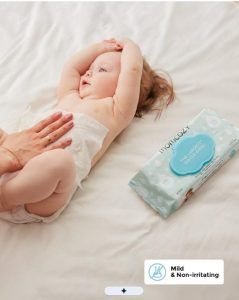
Water-only formulations eliminate the guesswork entirely. Parents no longer need to cross-reference ingredient databases or worry about batch-to-batch formula changes that introduce new sensitizers. For babies with eczema, cradle cap, or reactive skin, pure water wipes provide cleaning without triggering inflammatory responses. Clinical comparisons show that infants cleaned exclusively with water-based wipes develop significantly fewer instances of contact dermatitis compared to those exposed to preserved formulations, even those marketed as sensitive-skin options.
How Moisture Lock Enhances On-the-Go Reliability
Nothing frustrates a caregiver more than reaching for a wipe mid-diaper change only to find it dried and useless. Moisture lock packaging uses airtight resealable closures combined with internal humidity-regulating layers that prevent evaporation even in warm environments like cars or diaper bags. This reliability means parents can confidently carry a single pack through a full day of errands, park visits, or travel without packing backup supplies, making chemical-free care as convenient as any conventional alternative.
Solutions for On-the-Go Caregivers: Large Baby Wipes and Practical Portability
Active families need baby care solutions that keep pace with their schedules without compromising on safety. Large baby wipes solve a persistent frustration for caregivers on the move—standard-sized wipes often require using three or four at a time during messy diaper changes, creating waste and eating through supplies faster than expected. Oversized water-based wipes cover more surface area per sheet, meaning fewer pulls from the pack and quicker cleanups whether you’re in a restaurant restroom or parked at a trailhead. When selecting wipes for portability, prioritize packaging that features a rigid resealable lid rather than a peel-back adhesive strip, which loses its seal after repeated openings. Thickness matters equally; a wipe that tears during use defeats the purpose of having fewer sheets. Store packs in insulated compartments of diaper bags to prevent heat-driven evaporation, and keep a sealed travel pack in your car’s glove compartment as a reliable backup.
Choosing the Right Large Baby Wipes for Travel
Evaluate wipes by holding a single sheet up to light—quality options appear uniformly dense without thin spots that signal tearing risk. The ideal travel wipe measures at least twenty percent larger than standard dimensions while remaining thick enough to handle without folding over. Brands like Momcozy that focus specifically on mother and infant care have recognized this need, combining generous sizing with ingredient lists limited to purified water and a single plant extract, proving that thorough cleaning and non-toxic formulations coexist without compromise. Compact flat-pack designs stack neatly in luggage, making them superior to bulky tub formats for families who travel frequently.
Step-by-Step Guide to Implementing Chemical-Free Care with Baby Water Pipes
Transitioning to a fully chemical-free care routine doesn’t require an overnight overhaul. Start by auditing every product that currently touches your baby’s skin—wipes, lotions, diaper creams, and bath products. Photograph ingredient lists and cross-reference them against databases maintained by organizations like the Environmental Working Group. Discard anything containing the red-flag ingredients discussed earlier, then replace them one category at a time, beginning with wipes since they represent the highest-frequency skin contact throughout the day. Purchase a starter pack of baby water pipes and use them exclusively for one week, observing your baby’s skin for improvements in redness, dryness, or rash frequency. Most parents report visible changes within three to five days as residual chemical irritation subsides. Next, extend the approach to post-feeding face and hand cleanups, then bath time routines. If cost concerns arise, consider that using fewer large-format water wipes per change often offsets any per-unit price difference compared to conventional options. For availability challenges, subscribe to direct delivery from manufacturers who ship on recurring schedules, eliminating the risk of running out between store visits.
Daily Routine Integration and Troubleshooting
Structure your day around key touchpoints: morning face wipe upon waking, wipes at every diaper change, hand and face cleanup after each feeding, and a gentle full-body wipe before bedtime when a full bath isn’t needed. If your baby shows initial sensitivity even to water-based wipes, the fabric texture rather than the formulation is likely responsible—switch to an ultra-soft variant and pat rather than drag across skin. When comparing products, conduct a simple patch test on your baby’s inner forearm before committing to full use. Keep a brief daily log during the first two weeks noting skin condition, rash occurrence, and overall comfort. This record helps you identify what works and provides useful information for pediatrician visits, creating accountability in your chemical-free care commitment.
Choose Water Over Chemicals for Your Baby’s Daily Care
Baby water pipes offer caregivers a straightforward path away from the chemical-laden products that dominate store shelves and toward genuinely safe daily hygiene for their infants. The core advantages are clear: pure water formulations clean effectively without depositing synthetic residues on skin that is far too thin and permeable to handle repeated chemical exposure. Moisture lock technology ensures these safer wipes perform reliably whether you’re at home or navigating a busy day outside, eliminating the old trade-off between convenience and safety. Large-format options reduce waste and simplify messy cleanups, proving that non-toxic care adapts to real parenting demands rather than requiring sacrifice. The evidence connecting conventional wipe ingredients to skin irritation, allergic sensitization, and endocrine disruption gives every parent reason to reconsider what they’re reaching for during those thousands of daily interactions with their baby’s skin. Start today by replacing your current wipes with a water-based alternative, observe the difference in your baby’s skin within a week, and build from there. Your child’s long-term health begins with the small, repeated choices you make now—choose water over chemicals, simplicity over synthetic cocktails, and protection over convenience that comes at a hidden cost.


