



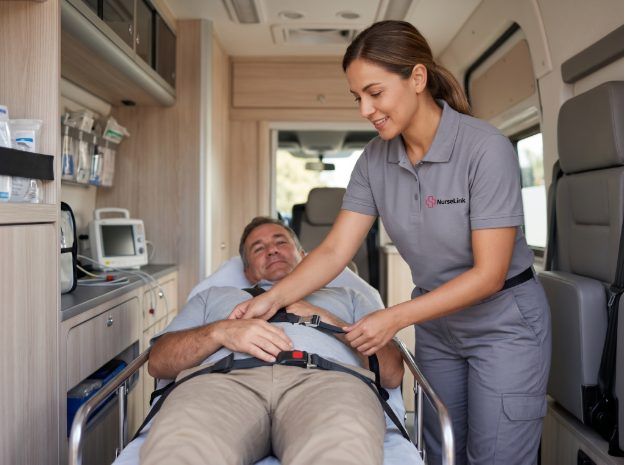
Non-Emergency Patient Transport (NEPT) plays a vital role in modern healthcare by supporting patients who need assistance travelling to medical appointments, treatments, or returning home safely without requiring urgent care. These services are designed to bridge the gap between independence and clinical support, especially for elderly individuals, post-surgery patients, or those with limited mobility. However, choosing the wrong non-emergency medical transportation service can result in delays, discomfort, or even safety concerns due to inadequate handling. Asking the right questions before booking helps patients and caregivers make informed decisions, ensuring a safe, reliable, and stress-free experience.
Question 1: What Level Of Transport Do I Actually Need?
Not all patients require the same level of non-emergency medical transportation service, and understanding this is key to choosing the right service. Selecting an unsuitable option can either lead to unnecessary costs or insufficient care. These factors need to be considered before opting for patient transportation.
- Difference between wheelchair, stretcher, and ambulatory transport.
- Matching patient condition such as mobility limitations, oxygen requirements, post-surgery recovery, or elderly care needs.
- Avoiding overpaying for higher-level services or choosing options that do not adequately support medical needs.
Question 2: Is The Vehicle Properly Equipped For My Condition?
The quality and equipment of the transport vehicle directly influence patient comfort and safety. A well-prepared vehicle should accommodate both medical and accessibility requirements without compromise. These factors need to be considered before opting for patient transportation.
- Availability of oxygen, monitoring equipment, lifts, ramps, and secure restraints.
- Cleanliness standards and infection control practices to ensure a hygienic environment.
- Sufficient space, comfort, and accessibility for both patients and accompanying caregivers.
Question 3: Are The Staff Medically Trained & Experienced?
The people handling the transport are just as important as the vehicle itself. Professional competence ensures that patients are supported not only physically but also medically if required. These factors need to be considered before opting for patient transportation.
- Differences between EMTs, trained drivers, and caregivers involved in transport.
- Ability to respond effectively to emergencies or unexpected situations during transit.
- Experience in handling specific conditions such as dialysis, dementia, or post-operative care.
Question 4: How Is Patient Safety Ensured During Transit?
Safety should be a primary consideration when evaluating medical patient transportation services. Every step of the journey should follow clearly defined safety standards to protect the patient. These factors need to be considered before opting for patient transportation.
- Secure loading and unloading procedures that minimise risk of injury.
- Use of seatbelts, stretcher locking systems, and other essential safety protocols.
- Ongoing communication between staff, patients, and family members for reassurance and clarity.
Question 5: How Reliable & Punctual Is The Service?
Timeliness is critical, particularly for patients attending scheduled treatments or consultations. Delays can cause unnecessary stress and may even impact health outcomes. These factors need to be considered before opting for patient transportation.
- Consistent track record of on-time pickups and drop-offs.
- Ability to handle delays caused by traffic, hospital coordination, or unexpected changes.
- Availability of real-time updates or tracking systems for better transparency.
Question 6: What Are The Total Costs & What Do They Include?
Understanding the full cost structure helps avoid confusion and unexpected expenses. Transparent pricing reflects a provider’s professionalism and reliability. These factors need to be considered before opting for patient transportation.
- Breakdown of base fares and additional charges such as waiting time, stairs, or extended travel distance.
- Information on insurance coverage or reimbursement eligibility.
- Clear and transparent billing practices without hidden costs.
Question 7: What Support Is Available Before, During, & After The Ride?
A quality transport service goes beyond the journey itself. Patients and caregivers often require assistance throughout the entire process. These factors need to be considered before opting for patient transportation.
- Simple and flexible booking process that accommodates patient schedules.
- Availability of customer support, whether around the clock or during specific hours.
- Support for caregivers, including coordination and follow-up after the journey.
Conclusion
Selecting the right NEPT provider requires careful consideration of multiple factors, from safety and staff expertise to cost and reliability. Each question outlined above serves as a practical guide to help patients and caregivers navigate their options with confidence.
- Asking the right questions ensures that transport services align with medical and personal needs.
- Comparing providers based on service quality rather than just price leads to better outcomes.
- Prioritising safety, comfort, and trust creates a more reassuring experience for patients and families.
Providers like NurseLink Healthcare exemplify how a people-first approach can elevate the standard of care in non-emergency transport. By focusing on professionalism, compassion, and personalised support, they help ensure that every journey is handled with the attention and respect patients deserve.


