

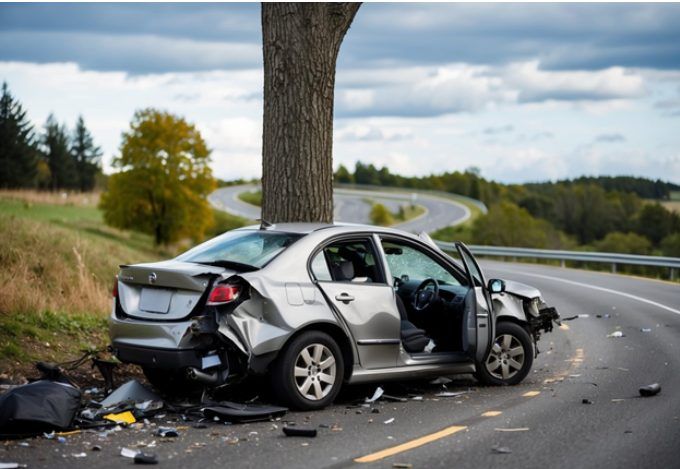
Test driving a vehicle can be an exciting experience, but it also comes with risks. If a crash occurs during a test drive, it is essential to know what steps to take to protect oneself legally and financially. Understanding liability, insurance implications, and communication protocols can help mitigate stress in an already challenging situation.
Drivers should be aware that the dealership’s insurance may cover certain damages, but personal liability might still apply depending on the circumstances. It is crucial to document the scene, exchange information promptly, and notify the necessary parties, including law enforcement and the dealership. Keeping calm and focused can make a significant difference in how the situation unfolds.
A clear plan of action can help navigate the aftermath of a test drive accident. Knowing whom to contact and what information to gather can empower drivers to handle the unexpected with confidence.
Understanding Test Drive Insurance Coverage
When participating in a test drive, it is crucial to understand the insurance coverage involved. This includes both the dealer’s insurance policies and the driver’s personal insurance, as they play significant roles in case of an accident.
Dealer’s Insurance Policies
Dealers typically have insurance coverage for their vehicles during test drives. This coverage often includes liability protection, which safeguards against damages resulting from accidents caused by test drivers.
- Liability Coverage: Most dealer policies cover bodily injury and property damage to third parties.
- Collision Coverage: This may apply if the test driver damages the vehicle itself.
It is essential for drivers to confirm the details of the dealer’s insurance before starting a test drive. Key questions include whether the coverage is comprehensive and if there are any deductibles involved that might affect the driver’s financial responsibility.
Driver’s Personal Insurance
A driver’s personal insurance policy may also extend to test drives, but this varies significantly by provider. Drivers should check if their existing coverage includes rental or borrowed vehicle provisions.
- Confirm Coverage: They should consult their insurance agent to clarify terms.
- Police Report: If an accident occurs, contacting the insurance provider promptly is important, as a police report may be required for claims.
Drivers should keep in mind that their personal insurance may help cover any gaps left by the dealer’s policy. This ensures greater financial protection in case something goes wrong during the test drive.
Immediate Steps Following a Test Drive Accident
In the event of a crash during a test drive, it’s crucial to prioritize safety and ensure all necessary actions are taken promptly. The following steps focus on addressing immediate needs, reporting the incident, and gathering vital information.
Safety First and Injury Assessment
After an accident occurs, the first action is to ensure everyone’s safety. The driver and passengers should check for injuries and assess the condition of others involved. If there are any injuries, seeking medical attention is critical.
In cases where the vehicle is drivable, it should be moved to a safe location off the road to prevent further accidents. If anyone is immobilized, it is essential to wait for emergency services.
Always call 911 if there are injuries or significant damage to the vehicles involved. Medical professionals are best equipped to manage injuries that are not immediately visible.
Reporting the Accident
Reporting the accident to local authorities is vital for proper documentation. This step not only provides an official record but also helps in resolving any potential liability issues later.
When filing the report, the driver should provide accurate details about the incident, including time, location, and circumstances surrounding the crash. Cooperating with law enforcement is essential, as they may need witness statements and additional information.
In addition to police reports, the vehicle owner or dealership should be notified, especially if the car belongs to a dealership. This ensures that the company is aware of the situation and can take necessary actions.
Documenting the Scene
Thorough documentation of the accident scene aids in establishing facts and evaluating claims. It is important to take clear photographs of all vehicles involved, focusing on damage, license plates, and the surrounding environment.
Noting the conditions at the time of the accident is also helpful. Factors such as weather, visibility, and road conditions can provide context for the crash.
Gathering witness information can bolster one’s account of the events. Collect names, contact numbers, and any statements they might offer regarding the incident.
Information Exchange
Exchanging information with all parties involved is crucial. Each driver should provide their name, contact information, insurance details, and vehicle registration information.
It is helpful to write down the make, model, and license plate number of all vehicles involved. This facilitates follow-up communication with insurance companies.
Maintaining a calm demeanor during this exchange can help prevent escalation of emotions. Each party should focus on gathering necessary information rather than discussing fault or blame, which is best left for investigations.
Legal Considerations After a Test Drive Crash
Understanding the legal implications of a test drive crash is crucial for all parties involved. Factors such as liability, fault determination, and any agreements signed prior to the test drive can significantly impact the outcome of any claims or disputes.
Liability and Fault Determination
In the event of a crash during a test drive, determining liability is essential. Typically, liability falls on the driver or the dealership, depending on the circumstances.
Factors to consider include:
- Driver’s Actions: If the driver was negligent, they may be held responsible.
- Dealership’s Responsibility: If the vehicle has pre-existing issues or the dealership failed to provide adequate instruction, liability may shift to them.
An accident attorney can help assess the situation and navigate complex liability laws. It is vital for those involved to document the crash scene and gather witness statements for evidence.
Test Drive Agreements and Waivers
Most dealerships require customers to sign a test drive agreement or waiver, which outlines responsibilities and liabilities. These documents generally indicate that the driver assumes some risk.
Key components often include:
- Insurance Requirements: Drivers may need to present proof of insurance.
- Waiver of Rights: Some waivers may limit the dealership’s liability for accidents.
It is important for drivers to read these agreements thoroughly. Understanding the terms can prevent future disputes regarding liability. In cases where the waiver is overly restrictive, legal recourse may be pursued with the help of an accident attorney.
Dealing With Insurance Companies
Navigating the insurance process after a crash during a test drive can be challenging. Understanding how to file a claim and manage interactions with insurance adjusters is essential for a smooth resolution.
Filing a Claim
When a crash occurs, the first step is to file a claim with the insurance company. The driver should have the following information ready:
- Policy Number: Essential for identifying the coverage.
- Details of the Incident: Date, time, location, and circumstances of the crash.
- Involved Parties: Names and contact information of all individuals linked to the accident.
After submitting the claim, the insurance company will provide a claim number for reference. It’s important to keep a record of all communications. This creates a solid foundation for any future discussions and facilitates a swift claims process.
Handling Insurance Adjusters
After a claim is filed, an insurance adjuster will be assigned to assess the damages. The adjuster’s role is to investigate the incident and determine liability. They will review the claim details and may reach out for additional information.
Being transparent and cooperative during this process is crucial. The driver should prepare for an interview where they’ll discuss the accident in detail. It’s beneficial to take notes, as this helps maintain consistency in responses.
Remember to ask questions regarding coverage and next steps. Understanding the terms of the policy can clarify what to expect regarding compensation and repairs. Clear communication can lead to a favorable outcome in managing the claim.
Role of an Accident Attorney in Test Drive Accidents
Navigating the aftermath of a test drive accident can be complex. An accident attorney plays a crucial role in guiding individuals through the legal landscape and protecting their rights.
When to Contact an Attorney
Individuals involved in a test drive accident should contact an attorney if there are injuries, significant property damage, or disputes over fault. Early consultation is essential, as an attorney can help gather evidence and witness statements.
If the accident results in serious injury or if insurance companies become involved, legal representation becomes even more critical. Attorneys are particularly useful in negotiating settlements and can provide insight into the potential value of claims.
It’s advisable to consult an attorney before making any statements to insurance adjusters, as these can impact the outcome of any claims.
How an Attorney Can Help
An accident attorney provides several key services after a test drive accident. They assess the specifics of the case, determining fault and advising on liability issues.
By gathering evidence, such as police reports and medical records, they build a strong case. An attorney will negotiate with insurance companies to ensure that their client receives fair compensation for damages and injuries.
Moreover, if necessary, they can represent the client in court. This ensures that the client’s rights are protected and that they do not settle for less than what is fair. An experienced attorney handles the complexities of legal proceedings, allowing the client to focus on recovery.
Mechanical Failure vs. Driver Error
Understanding the distinction between mechanical failure and driver error is crucial in determining liability and responsibility after a test drive crash. Each factor can significantly influence the outcome of an accident investigation.
Assessing Vehicle Faults
Mechanical failure refers to issues in the vehicle that compromise its safety and operability. Common causes include:
- Brake Failures: Worn or malfunctioning brakes can lead to serious accidents.
- Tire Issues: Blowouts or inadequate tread can affect handling and control.
- Engine Malfunctions: Unexpected engine failure may cause loss of power while driving.
To assess vehicle faults, it’s essential to inspect maintenance records and conduct a thorough post-accident examination. Gathering expert opinions can clarify if the vehicle was defective or if regular maintenance was neglected. Liability may fall on the manufacturer or dealership if a mechanical fault is proven.
Assessing Driver Mistakes
Driver error encompasses actions that compromise safety while operating a vehicle. This can include:
- Distracted Driving: Engaging with mobile devices can divert attention from the road.
- Speeding: Exceeding the speed limit can reduce reaction time and increase crash severity.
- Poor Judgment: Decisions made in critical moments, such as failing to yield, lead to accidents.
Careful analysis of driving behavior and adherence to traffic laws is necessary. Eyewitness reports and footage from dash cams can serve as critical evidence. If driver error is determined, liability may rest primarily on the individual behind the wheel.
Costs and Compensation
Understanding the financial implications of a crash during a test drive is crucial. This section explores the costs associated with repairs and medical expenses, as well as how one might seek compensation.
Repair and Medical Costs
When a crash occurs, immediate costs can arise from vehicle repairs and potential medical expenses. Depending on the severity of the accident, repair costs can vary significantly. Minor damages may range from $500 to $2,000, while major damages could exceed $5,000.
Medical costs also pose a significant burden. Emergency room visits can easily reach $1,000 to $3,000. If injuries require ongoing treatment, expenses might accumulate rapidly. It’s essential for individuals to document every cost incurred and keep receipts as these records will be vital when seeking compensation.
Seeking Compensation
In many cases, the party not at fault may seek compensation for damages and injuries. Typically, this involves contacting insurance companies. Understanding policy coverage is key; comprehensive coverage might cover repairs, while liability coverage addresses medical costs.
Filing a claim should be started as soon as possible. Individuals can also consider pursuing a legal claim if the insurance settlements are insufficient. Consulting with a personal injury attorney may be beneficial in navigating the claims process effectively. Collecting evidence, such as police reports and witness statements, strengthens the case for compensation.
Repairing or Replacing the Vehicle
After a crash during a test drive, the first steps often involve determining the damage and deciding whether to repair or replace the vehicle. Understanding the dealership’s responsibilities in this process is crucial for the involved parties.
Assessment and Valuation
A thorough assessment of the vehicle is necessary to identify all damages. This includes both visible and hidden damages, which can impact the total cost of repairs. A dealership typically relies on certified technicians to complete this inspection.
The valuation is then made to determine if the repair costs exceed the vehicle’s current market value. If repairs seem impractical, replacement may be necessary. Factors influencing this decision can include:
- Repair Costs: High costs might indicate a total loss.
- Vehicle Age: Older vehicles may not warrant extensive repairs.
- Insurance Evaluation: Collaborating with insurance adjusters is common.
Dealership’s Responsibilities
Dealerships play a significant role following a crash. They must promptly communicate with involved parties regarding the vehicle’s status and provide options for repair or replacement.
Dealerships are responsible for offering accurate assessments and adhering to safety regulations during repairs. Key responsibilities include:
- Providing Estimates: Delivering clear and detailed estimates for repair costs.
- Warranty Considerations: Ensuring repairs do not void any existing warranties.
- Rental Vehicles: Arranging a rental vehicle if the repair process is extensive.
Each responsibility plays a vital role in ensuring a smooth resolution to the situation, maintaining customer satisfaction, and ensuring that safety standards are met.
Test Drive Accident Prevention
To reduce the risk of accidents during a test drive, both drivers and dealerships must implement specific strategies. Focused attention on safety measures can lead to a secure driving experience.
Best Practices for Drivers
When participating in a test drive, drivers should prioritize safety and preparedness. Here are key practices to follow:
- Familiarization: Before starting, drivers should familiarize themselves with the vehicle’s controls and features. Knowing how to operate the vehicle enhances safety.
- Avoid Distractions: Disabling phones and other distractions is crucial. A focused driver is less likely to miss important road signals and hazards.
- Maintain Safe Speed: Testing the vehicle should not compromise safety. Drivers should adhere to speed limits and adjust according to road conditions.
- Follow Traffic Rules: Sticking to traffic regulations is essential for accident prevention. This includes obeying signals and yielding to pedestrians.
- Plan the Route: Choosing a route with minimal traffic and well-maintained roads can reduce the chance of encountering unexpected issues.
Dealership Precautions
Dealerships can significantly enhance safety during test drives through various precautionary measures:
- Pre-Drive Vehicle Checks: Conducting a thorough inspection of the vehicle before any test drive is vital. This includes checking brakes, lights, and tire pressure.
- Clear Instructions: Providing drivers with clear instructions on the vehicle’s operation ensures they can handle it safely. Dealership staff should emphasize safety protocols.
- Accompanied Test Drives: Allowing staff to accompany drivers can provide real-time guidance and support, fostering a safer environment.
- Vehicle Restrictions: Limiting the test drive area to low-traffic zones ensures fewer risks. Dealerships should outline these boundaries clearly.
- Emergency Contact Information: Displaying contact details for immediate assistance can keep drivers informed and prepared in case of issues.
Post-Accident Procedures for Dealerships
Following a test drive accident, dealerships must adhere to specific procedures to manage the situation effectively. This includes reviewing internal policies and ensuring staff members are well-informed about their roles and responsibilities during such incidents.
Internal Policy Review
Dealerships should have well-defined internal policies for handling accidents that occur during test drives. This review involves assessing the effectiveness of existing protocols and making necessary adjustments.
Key elements of the policy review include:
- Reporting Procedures: Clear guidelines on how and when to report the incident to management.
- Documentation: Ensuring that all aspects of the accident are documented, including witness statements, photos, and police reports if necessary.
- Liability Assessment: Evaluating who is liable for damages incurred during the test drive, based on dealership policies and state laws.
Regular audits of these procedures help maintain compliance and improve response effectiveness.
Staff Training and Awareness
Once internal policies are reviewed, staff training becomes essential. Employees must understand their roles in the event of an accident and the protocols they should follow.
Training programs should focus on:
- Emergency Response: Training staff on how to respond to an accident, including providing first aid if necessary and contacting emergency services.
- Customer Communication: Teaching employees how to communicate with customers sensitively and effectively during stressful situations.
- Legal Requirements: Ensuring staff are aware of local regulations regarding auto accidents, including reporting requirements and required documentation.
Regular training sessions promote a culture of safety and preparedness, ensuring that all staff members can act confidently during incidents.
