



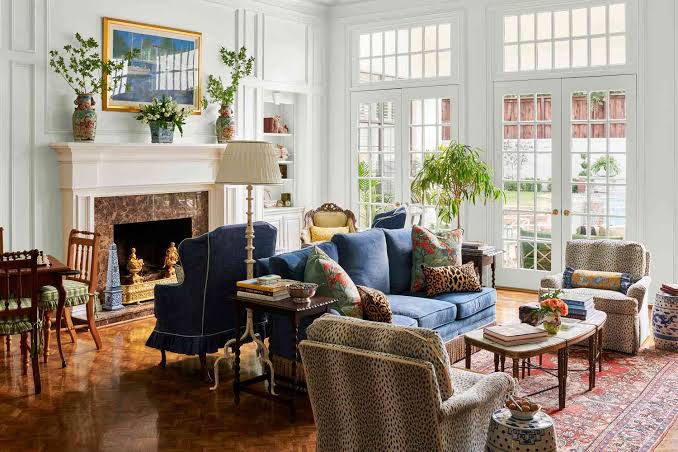
A professionally designed home doesn’t always announce itself in a loud way. It’s not necessarily the one with the most expensive sofa, the boldest artwork or the kind of kitchen that looks like nobody has ever dropped toast crumbs on the bench. More often, it’s the home where everything seems to sit comfortably together, where the rooms flow without feeling overly matched, and where the practical details have clearly been thought through before anyone started buying furniture.
That’s the real value of working with interior designers in Melbourne, especially when you’re dealing with a home that has awkward proportions, limited storage, older architectural features or an open-plan layout that looks simple until you actually try to furnish it. A good designer doesn’t just make things look attractive; they help shape a space around the way people live, move, relax, work, entertain and deal with all the everyday mess that never appears in renovation photos.
It’s About More Than Picking Nice Things
Most people have some sense of what they like. They can point to colours, textures, furniture styles or rooms that feel right to them, but turning that instinct into a complete home is a different skill. A sofa might look beautiful online but sit too low for the room. A rug might be the right colour but the wrong scale. A pendant light might be stunning over someone else’s dining table but completely wrong for your ceiling height.
This is where design becomes less about taste and more about judgement. Designers think about proportion, light, movement, materials, sightlines and how one decision affects the next. They can help stop a home from becoming a collection of individual favourites that don’t quite speak to each other once they’re all in the same space.
Good Design Makes Daily Life Easier
The best rooms don’t just look finished; they work. There’s somewhere to put things down when you walk in. The lighting feels right in the morning and at night. The chairs are comfortable enough to use. The storage is in the places where clutter naturally builds up, not hidden somewhere inconvenient. The layout makes conversation easy instead of forcing people to sit at odd angles.
That kind of practicality matters because a home has to support real people, not just look good for a photograph. Families need durable finishes, apartment dwellers may need clever storage, people who work from home need spaces that don’t feel like temporary corners, and entertainers need rooms that can handle guests without becoming chaotic.
Confidence Can Save a Lot of Second-Guessing
One of the hardest parts of designing a home yourself is the constant uncertainty. Is this timber too warm? Is the sofa too big? Should the curtains be lighter? Will the room feel flat without contrast? A designer can bring clarity to those decisions, which often saves time, money and a fair amount of stress.
The Best Homes Feel Effortless
When a home is professionally designed, the result shouldn’t feel stiff or staged. It should feel like a more resolved version of the people who live there. The colours, furniture, lighting and details all work together quietly, so the home feels comfortable, personal and easy to enjoy without anyone needing to explain why it works.


