



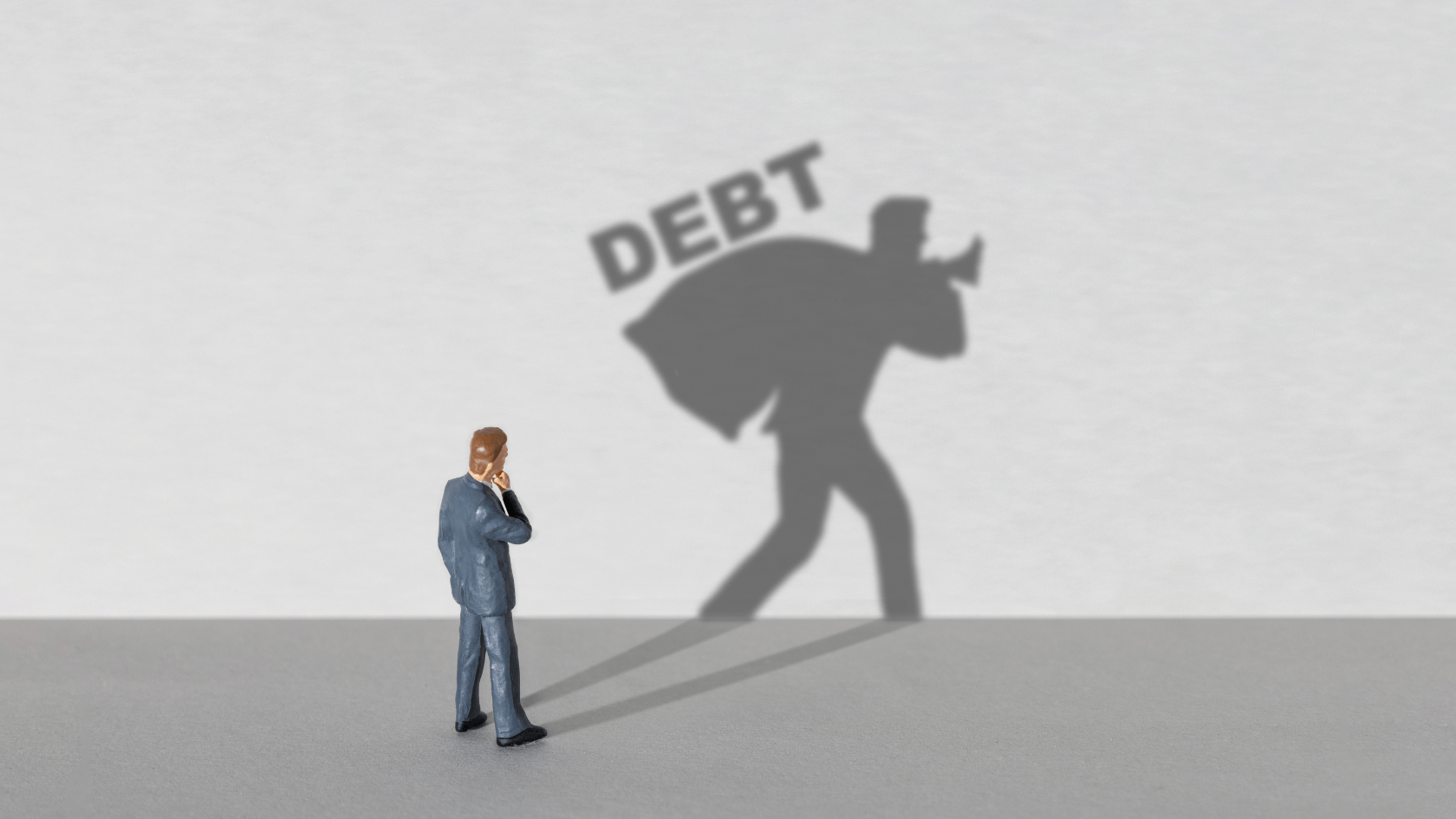
Most discussions about debt focus on figures: the amount owed, interest rates, and repayment timelines. However, for many professionals and business leaders, the true cost appears elsewhere.
It appears as hesitation, and it emerges in second-guessing decisions that once seemed clear.
Over time, it results in a subtle shift from leading with intention to operating under pressure.
For some, this shift signals the need to step back and reassess their position. In these moments, simple tools such as a basic Chapter 13 bankruptcy calculator can help clarify available options.
When Pressure Starts Rewriting Your Decisions
Debt rarely disrupts everything at once; instead, it gradually reshapes decision-making.
A leader who once prioritized long-term growth may shift focus to short-term stability. Opportunities that were previously worth the risk may now seem too uncertain. Even routine financial decisions can feel disproportionately significant.
This is where the true impact begins.
The issue is not the debt itself, but how it narrows perspective.
You may notice this in ways such as:
- passing on opportunities that require upfront investment
- delaying decisions that feel financially uncomfortable
- avoiding a full review of financial reality
- defaulting to safer, but less effective, choices
Over time, this creates a cycle: financial pressure leads to more conservative decisions, limiting growth and making the debt feel even more burdensome.
If this pattern is familiar, it is important to understand how various forms of debt relief are evaluated and what they require.
Why Some Solutions Only Go So Far
Most people try to solve debt the conventional way first.
They budget more strictly. They consolidate balances. They restructure payments in ways that feel more manageable.
And in many cases, that works.
However, that may not always be the case.
If the total debt remains too high relative to income, these approaches may serve as temporary fixes rather than long-term solutions. Payments may feel manageable temporarily, but the underlying debt structure remains unchanged.
At this stage, the focus shifts from managing debt to resolving it.
At this point, more structured options are considered, including those that formally eliminate or reorganize debt.
For example, some individuals explore liquidation-based solutions such as Chapter 7 bankruptcy when repayment is no longer feasible.
The Risk of Waiting Too Long
One of the most consistent patterns in financial situations like this is delay.
This is often not due to lack of awareness, but rather hope that the situation will improve over time.
However, time often has the opposite effect.
- Interest continues to build
- Balances grow faster than expected
- Financial pressure becomes more constant
- Flexibility begins to shrink
According to the U.S. Courts, bankruptcy exists specifically for situations where debts can no longer be repaid, providing a structured path toward resolution.
Timing is critical. Addressing the situation early provides more control, while waiting too long often results in reactive rather than strategic decisions.
Redefining What “Staying Responsible” Looks Like
Many professionals believe that persevering through financial difficulty is the responsible course of action.
And in some cases, it is.
But not all cases are the same.
At some point, continuing under the same conditions no longer demonstrates discipline, but rather, limitation.
- Staying on the same path can lead to:
- Longer recovery timelines
- A higher total financial burden
- Missed opportunities that could have changed direction earlier
Understanding available options is not about avoiding responsibility; it is about making informed decisions based on current circumstances.
Resources like the Consumer Financial Protection Bureau highlight the importance of knowing your rights and the structured solutions available when dealing with debt.
A Different Way to Look at It
Debt becomes a significant problem when it limits your ability to think clearly and act with intention.
At this stage, the discussion shifts from repayment to restoring clarity.
The best decisions do not always involve pushing forward at all costs. Sometimes, they require stepping back, reassessing honestly, and choosing a path that enables progress without constant financial pressure influencing every action.
Ultimately, the goal is not only to reduce debt.
It is to regain control over your decision-making.


