



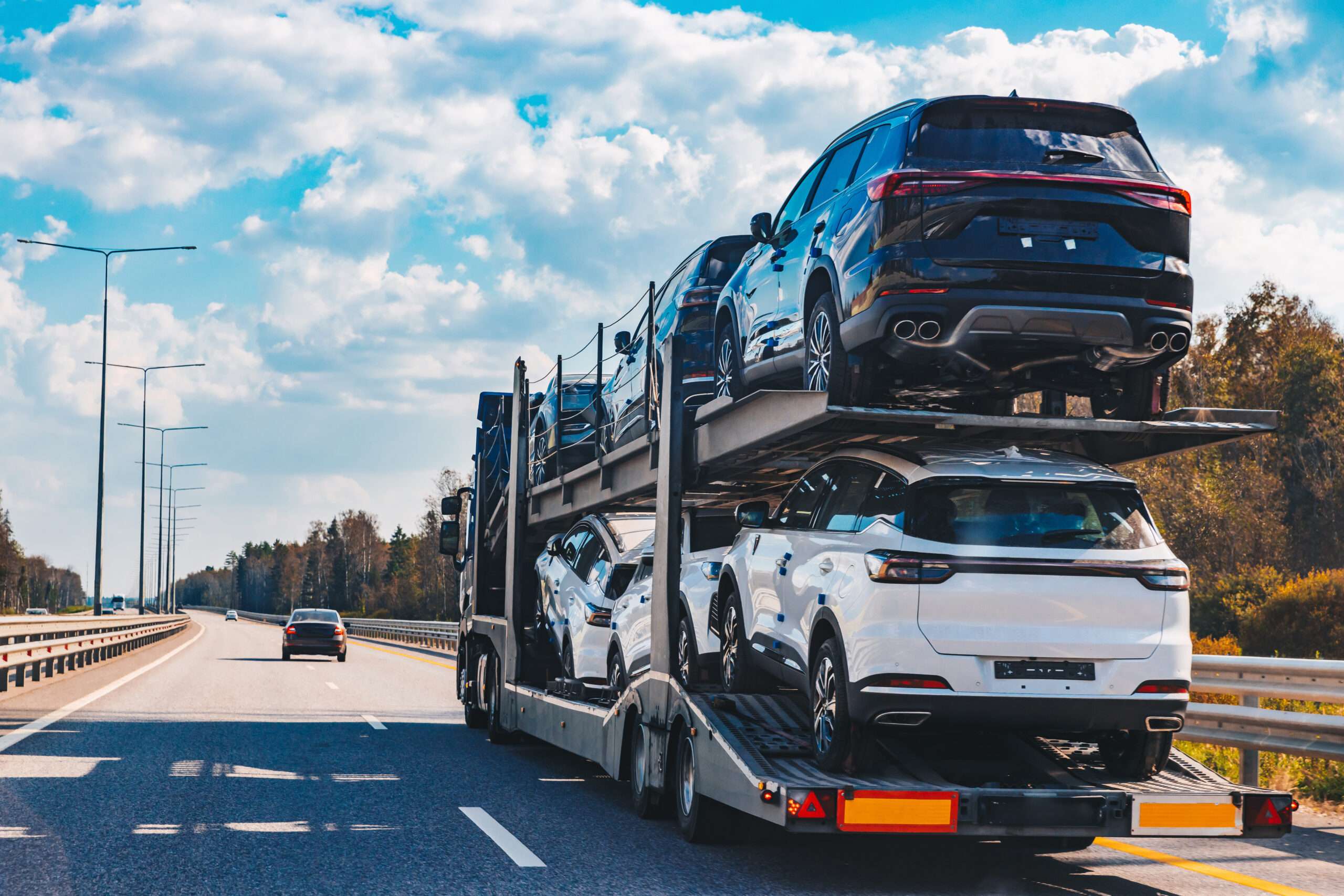
Transporting a car to another state can feel overwhelming, especially for first-time vehicle shippers. Whether you’re relocating for work, purchasing a car from an out-of-state dealership, or moving seasonally, understanding the car shipping process can make the experience far smoother.
This guide walks you through every step involved in interstate vehicle transport—from initial planning and preparation to pickup, delivery, and final inspection—so you can move your vehicle confidently and avoid costly mistakes.
When You Might Need to Ship a Car to Another State
There are several common situations where professional interstate auto transport becomes the most logical choice:
-
Long-distance relocation: Moving for a new job or personal reasons.
-
Seasonal relocation: “Snowbirds” moving between northern and southern states.
-
College students: Moving a vehicle to a campus several states away.
-
Online purchases: Buying or selling vehicles through digital marketplaces.
-
Military moves: PCS relocations for service members.
-
Specialty vehicles: Moving classic, luxury, or collector cars safely without adding mileage.
Using a professional service simplifies logistics significantly compared to the fatigue and expense of driving a vehicle thousands of miles across state lines.
Step-by-Step Checklist for Shipping Your Car
Step 1: Research Reliable Transport Companies
The first step is choosing a provider that is licensed and insured. Always verify their USDOT and FMCSA registrations and check for verified customer reviews. It is important to understand the difference between a broker and a carrier; at Palmoves, we coordinate with a network of vetted carriers to ensure your vehicle is in expert hands.
Step 2: Request and Compare Shipping Quotes
Factors like distance, vehicle type, and the time of year influence your final price. When you ship a car, avoid quotes that seem unrealistically low, as these often hide additional fees. We provide clear, transparent pricing so you can budget effectively.
Step 3: Choose the Best Transport Method
-
Open Transport: The most common and cost-effective method, where vehicles are moved on an open multi-car trailer.
-
Enclosed Transport: Ideal for luxury, exotic, or antique cars, offering protection from weather and road debris.
-
Door-to-Door Service: Provides maximum convenience by picking up and dropping off as close to your locations as possible.
Step 4: Schedule Your Dates
Understand that carriers usually provide pickup “windows” rather than exact times. Booking early, especially during peak moving seasons, ensures you secure your preferred timeline and can even help reduce costs.
Step 5: Prepare Your Vehicle
Proper preparation prevents disputes and ensures a fast inspection.
-
Wash the exterior to make existing damage visible.
-
Take timestamped photos of all angles.
-
Remove all personal belongings and valuables.
-
Disable alarms and leave roughly 1/4 tank of fuel.
-
Check tire pressure, battery, and fluids.
Step 6: Review the Bill of Lading
During pickup, the driver will document the vehicle’s condition on the Bill of Lading. This acts as your official shipping contract. Review it carefully and ensure all pre-existing marks are recorded before signing.
What to Expect During Transit and Delivery
Once your vehicle is securely fastened to the carrier, it begins its journey. Most interstate shipments take between 3 and 10 days depending on the distance. While professional route planning minimizes issues, possible delays can occur due to weather or traffic.
Upon arrival, you or an authorized representative will perform a final inspection. Compare the vehicle’s condition to the initial report on the Bill of Lading. Once satisfied, sign the final paperwork to complete the delivery.
Frequently Asked Questions
How much does it cost to ship a car to another state? Costs typically range from $600 to $1,500, depending on the distance, vehicle size, and whether you choose open transport or an enclosed trailer.
Is my car insured during transport? Yes, licensed carriers are required to carry cargo insurance. Always confirm the specific coverage limits with your provider before the trip.
Can I ship personal belongings inside the car? Most carriers discourage this due to strict weight restrictions and the fact that interior items are not covered by the carrier’s insurance policy.
Do I need to be present for pickup and delivery? Yes, or you must designate an authorized representative to sign the inspection reports and handle the keys.
Final Thoughts: Making Interstate Shipping Simple
Shipping a car across state lines is a straightforward process when you understand the steps involved. Proper planning, thorough vehicle preparation, and choosing a reliable provider like Palmoves ensure peace of mind and a damage-free delivery.
Ready to move? Contact us today for a transparent quote on your upcoming vehicle shipment.


