

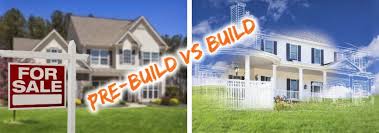
When considering a new home, the decision between building a custom home and buying a prebuilt one is significant and multifaceted. Both options offer advantages and disadvantages that can influence your choice based on personal preferences, financial considerations, and lifestyle needs. This article explores the pros and cons of building your own home versus moving into a prebuilt home.
Building Your Own Home
Pros:
- Customization:
- One of the most significant advantages of building your own home is the ability to customize every aspect to fit your exact needs and desires. From the architectural style and floor plan to the materials and finishes, when working with new home builders Sunshine Coast, you have complete control over the design and functionality of your home.
- Modern Features and Energy Efficiency:
- Building a new home enables you to incorporate the latest technology and energy-efficient systems. This can mean utility bills, a smaller environmental footprint, and a more comfortable living environment.
- Quality Control:
- When you build your home, you have the opportunity to oversee the construction process, ensuring that high standards are met and that quality materials are used throughout.
- Personal Satisfaction:
- The process of building a home can be incredibly rewarding, offering a sense of accomplishment and pride. You get to see your vision come to life and create a uniquely yours space.
Cons:
- Time-Consuming:
- Building a home is a lengthy process that can take several months to over a year, depending on the complexity and size of the project. This requires patience and time commitment, which may not be feasible for everyone.
- Higher Costs:
- Custom homes typically come with higher costs due to the need for custom design work, permits, materials, and labor. There are also often unexpected expenses that can arise during construction.
- Stress and Complexity:
- The process of building a home involves coordinating with architects, contractors, and various suppliers. Managing these relationships and decisions can be stressful and overwhelming.
- Financing Challenges:
- Securing a construction loan can be more complex than obtaining a mortgage for a prebuilt home. It often involves more stringent requirements and a higher interest rate.
Moving into a Prebuilt Home
Pros:
- Immediate Availability:
- One of the most significant advantages of buying a prebuilt home is that it is ready for immediate occupancy. This is ideal for those who need to move quickly or prefer not to wait through the construction process.
- Lower Costs:
- Prebuilt homes can often be more cost-effective than building a custom home. There are fewer unknowns and typically no need for the extensive design and permitting process.
- Established Neighborhoods:
- Prebuilt homes are usually located in established neighborhoods with existing infrastructure, mature landscaping, and a sense of community. This can be appealing to those who value a sense of stability and social connections.
- Less Stress:
- Buying a prebuilt home involves fewer decisions and less coordination compared to building a home. The process is more straightforward, which can reduce stress and uncertainty.
Cons:
- Limited Customization:
- One of the main drawbacks of buying a prebuilt home is the lack of customization. You may have to compromise on certain features, finishes, or the overall layout.
- Potential for Renovations:
- A prebuilt home may require renovations or updates to meet your preferences or to modernize the space. This can involve additional time, effort, and expense or planning permits.
- Age and Maintenance:
- Older homes may have maintenance issues or outdated systems requiring immediate attention. This can be an additional financial burden and inconvenience.
- Less Energy Efficiency:
- Prebuilt homes, especially older ones, may not have the latest energy-efficient features, leading to higher utility costs and a larger environmental impact.
Conclusion
The choice between building your own home and moving into a prebuilt one involves weighing the benefits of customization, modern features, and quality control against the drawbacks of time, cost, and complexity. On the other hand, prebuilt homes offer immediate availability, lower costs, and less stress but come with limitations in customization and potential maintenance issues. The decision ultimately depends on individual priorities, financial situation, and lifestyle preferences.
