

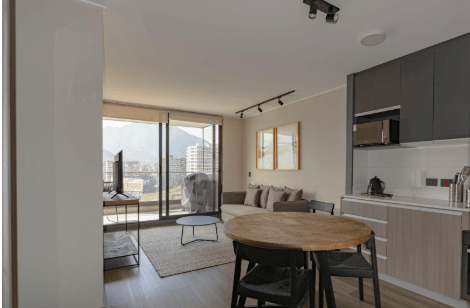
Minimalism is no longer just a design trend. It’s become a lifestyle movement—one that’s helping people clear physical clutter, reduce mental stress, and create space for what actually matters. This shift is especially evident in urban and suburban areas where costs are rising faster than incomes. Take Fairfax, Virginia, for example—a city where the cost of living is not just higher than the national average but also more expensive than the state average. With high housing prices and a fast-paced lifestyle, minimalism isn’t just attractive—it’s practical.
For many living in high-cost areas, the idea of “less but better” is a way to reclaim control. Whether you’re tired of chasing more or simply want a life with fewer distractions, minimalism can help you get there.
And if you’re just starting this journey, this guide is here to walk you through the process.
Smaller Space, Better Living
If you live in Fairfax, you know it’s a great place to be. With excellent schools, safe neighborhoods, and proximity to D.C., it’s a city that offers both opportunity and comfort. But with that comes a cost—literally. If your home feels like too much, whether it’s the mortgage, maintenance, or unused space, it might be time to consider a smaller living arrangement. If moving to a different locality isn’t an option, you could consider moving to another, less expensive city within Virginia. This will need extensive decluttering, of course, but if you’re not ready to part with everything just yet, there’s no need to fret. Some of the best Fairfax VA local and long distance movers also provide storage options. It gives you the flexibility to store seasonal items or things you’re unsure about without forcing you into quick decisions.
Declutter Room by Room—Start Small
The idea of decluttering your whole home at once can be overwhelming. That’s why starting small is key. Choose one room—or even just one drawer—and begin there. The goal is to build momentum, not to reach perfection overnight. Each room you simplify gives you more clarity and confidence. It’s not about speed. It’s about being honest with yourself and taking consistent action. Focus on progress. Remove what you no longer use or need, and take note of how each cleared space makes you feel. Over time, these small wins add up to big changes.
Be Honest About What You Actually Use
We often keep things “just in case” or because we spent money on them. But those items end up taking space and mental energy without giving anything back. A useful rule of thumb is to ask: Have I used this in the past year? If not, why am I holding onto it? Whether it’s clothes, kitchen gadgets, or books, being honest about what you actually use helps you make clearer decisions. Letting go of the excess doesn’t mean you’ll miss it. In most cases, you’ll feel lighter—and more in control.
Create a Minimalist Wardrobe Without Losing Style
One of the most impactful areas to simplify is your wardrobe. Clothes often carry emotional weight, from impulse buys to pieces you wore once and never touched again. A minimalist wardrobe doesn’t mean dressing in the same outfit every day but rather curating clothing that fits well, feels good, and matches your actual lifestyle. It’s about quality over quantity. You likely wear the same few pieces on repeat anyway, so why not make those pieces the center of your wardrobe? Building a capsule wardrobe helps you focus on versatile basics that can be styled in multiple ways. You’ll spend less time deciding what to wear, reduce laundry loads, and eliminate the stress of staring at a full closet with “nothing to wear.”
Prioritize Quality Over Quantity in Every Purchase
Minimalism doesn’t mean you never buy anything again. It means you buy with intention. Rather than chasing trends or stocking up on bargains, a minimalist mindset encourages you to think long-term. Ask yourself whether the item you’re considering is well-made, necessary, and aligned with your values. If it breaks in a month or you forget about it after a week, was it worth the purchase? Choosing quality over quantity often means spending a little more upfront but saving more over time. This mindset applies to everything—from home goods to tech to clothing to food. The goal is to reduce waste, avoid impulsive decisions, and build a life filled with things that serve you well and last.
Let Go of the Guilt: Sentimental Items and Emotional Clutter
Letting go isn’t always about usefulness. Sometimes, the hardest items to part with are those tied to memories. Gifts from people you care about, souvenirs from travels, your child’s early drawings—these things carry emotional weight. But minimalism teaches us that holding onto the memory doesn’t always require holding onto the object. One helpful strategy is to photograph sentimental items before parting with them. This way, you preserve the memory without holding onto the physical item.
Simplify Your Schedule and Say No More Often
Minimalism isn’t just physical—it’s also about your time. A cluttered schedule can lead to burnout just as easily as a cluttered closet. Many people say yes out of obligation, guilt, or fear of missing out, and over time, they lose control of their own time. Learning to say no is an essential part of the minimalist journey. That means protecting your energy, honoring your priorities, and choosing to invest your time in ways that align with your values. You don’t need to attend every event or take on every project. A simpler schedule can bring more focus, freedom, and fulfillment.
The journey to minimalism is deeply personal. It’s not about following rigid rules or stripping your life bare. It’s about making space—physically, mentally, and emotionally—for what truly matters to you. Whether you’re simplifying your wardrobe, rethinking your purchases, letting go of emotional clutter, or creating a calmer schedule, each step brings you closer to clarity and peace. And once you start experiencing the freedom that comes with “less, but better,” it becomes easier to keep going. Minimalism isn’t about having nothing—it’s about making room for everything that counts.
