



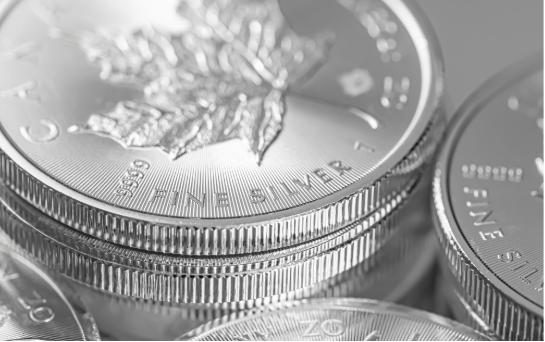
Silver has always had a bit of a split personality. It’s a precious metal with safe-haven appeal, but it’s also an industrial commodity with real-world demand from electronics, solar panels, and medical equipment. That dual nature is precisely what makes it such an interesting market to trade — it reacts to both financial uncertainty and global economic cycles, which means there’s almost always something driving it.
Trading silver through CFDs — contracts for difference — is one of the most accessible and flexible ways to get exposure to this market without ever touching the physical metal.
What Is a Silver CFD and How Does It Work
A CFD is a contract between you and your broker where you agree to exchange the difference in price of an asset from when you open the trade to when you close it. You’re not buying silver bars or taking delivery of anything physical. You’re simply speculating on whether the price will go up or down.
With FxPro, silver is traded as XAG/USD — the price of silver quoted in US dollars per troy ounce. If you think silver is heading higher, you go long. If you expect it to fall, you go short. The profit or loss is determined by how many points price moves in your favour, multiplied by your position size.
The Role of Leverage in Silver CFD Trading
CFDs are leveraged instruments, meaning you only need to put up a fraction of the full trade value as margin. This amplifies both gains and losses relative to your initial outlay. A 5% move in silver can result in a significantly larger percentage change in your account balance depending on the leverage applied. This is why position sizing and stop losses aren’t optional — they’re fundamental.
Why Traders Choose Silver Over Gold
Gold tends to get all the headlines, but silver has characteristics that make it genuinely compelling as a trading instrument.
First, silver is far more volatile than gold. Its price swings are wider, which means more opportunity for active traders who know what they’re doing. Second, silver has a higher sensitivity to industrial demand. When global manufacturing is expanding, silver tends to benefit. When it contracts, silver can sell off sharply. This gives you additional analytical angles beyond the usual safe-haven narrative.
Third, the gold-to-silver ratio is a popular tool among commodity traders. It measures how many ounces of silver it takes to buy one ounce of gold. Historically, when this ratio is extremely high, silver is considered undervalued relative to gold — and traders position accordingly expecting a mean reversion.
Key Factors That Drive Silver Prices
Understanding what moves silver is just as important as understanding how to trade it. Several factors consistently influence price direction:
US Dollar strength is the big one. Silver is priced in dollars, so when the dollar strengthens, silver typically comes under pressure, and vice versa. Keep a close eye on dollar index movements.
Inflation expectations play a major role. Silver, like gold, is seen as a store of value. When inflation is running hot or investors expect it to pick up, demand for precious metals tends to rise.
Industrial demand signals matter too. Data from China — the world’s largest industrial consumer — can shift silver sentiment quickly. Manufacturing PMI figures, energy transition policies, and infrastructure spending all feed into the outlook for silver demand.
Interest rates are another key driver. Higher rates make yield-bearing assets more attractive relative to non-yielding commodities like silver, which tends to weigh on price. Central bank policy decisions can therefore create significant volatility in the silver market.
Using the Economic Calendar to Time Your Trades
Timing is everything when you’re trading silver through CFDs. The economic calendar should be the first thing you check before placing any trade. Key releases — US CPI data, Federal Reserve rate decisions, non-farm payrolls, Chinese industrial output figures — all have the potential to move silver sharply.
Before a high-impact release, volatility can spike and spreads can widen. Many experienced traders either tighten their stops, reduce their position size, or step out of the market entirely until the dust settles. Others specifically position around these events, using the calendar to anticipate potential catalysts for a directional move.
Either approach requires knowing what’s coming and when. Trading silver without checking the economic calendar is like driving without checking the weather — manageable in calm conditions, potentially costly when a storm hits.
Getting Started With Silver CFD Trading
If you want to learn how to trade silver, the starting point is understanding both the technical and fundamental landscape. Study the chart — silver respects key support and resistance levels, responds well to trend analysis, and often forms clear patterns around major news events.
FxPro offers silver trading on competitive spreads with access to the analytical tools you need to build a structured approach. Open a demo account first. Get comfortable with how silver moves, how it reacts to dollar shifts and risk-off sentiment, and how leverage affects your exposure before committing real capital.


