

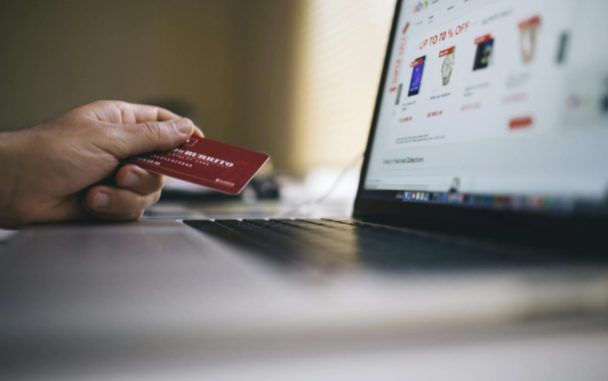
Ever bring something back from a vacation and wish you could just click a button and restock it without driving 300 miles? Anyone who’s visited the Smoky Mountains knows the feeling. The views are unforgettable—but so is the bottle of blackberry wine you picked up in Gatlinburg. In this blog, we will share how local businesses turn moments like that into ongoing online relationships through e-commerce.
Social Proof Is the New Word of Mouth
A glowing Yelp review used to be the goal. Now it’s just a starting point. Today’s customer wants more than praise—they want receipts. Real photos. Honest testimonials. Behind-the-scenes clips. This is what convinces them to trust a business they’ve never visited in person.
Local businesses expanding online have an edge here. They already have community. They just need to put it on display. Ask loyal customers to post their favorite products. Share staff favorites. Let the regulars tell your story, because their voice cuts through digital noise better than a polished ad ever could.
And once someone orders, don’t vanish. Follow up. Send a thank-you. Offer a coupon for a second purchase. Build the relationship like you would if they’d walked into your shop.
The best part? Every review, every share, every unboxing video adds weight. Social proof stacks. Over time, it becomes a flywheel that turns first-time buyers into repeat customers and brand advocates.
When Main Street Meets the Internet
Before the internet gave everyone a digital storefront, local businesses lived and died by foot traffic. A shop could be beloved in its town, with a loyal customer base, and still fold after a slow winter. But today, even the smallest retailer in a rural strip mall can sell to customers in all 50 states without opening a second location. The game hasn’t just changed. It expanded.
Take a Smoky Mountain winery that figured out how to ship its charm across the country. Tennessee Homemade Wines, known for its sweet Southern blends, built its reputation on tastings in Gatlinburg and Sevierville. The atmosphere is pure Appalachia—welcoming, warm, and proud of its roots. Locals and tourists stop in for a sip, walk out with a bottle, and until recently, that was the end of the relationship.
But now, with a few clicks, that same customer can order from home. Tennessee Homemade Wines offers an online store for fans who can’t get back to the Smokies anytime soon. The move didn’t dilute the brand. It amplified it. The folksy, handcrafted energy that draws people to the physical tasting rooms now greets them on a screen—personal stories, real guest reviews, and easy ordering. What once depended on chance visits now builds long-term loyalty.
This is the opportunity e-commerce creates for local businesses: scale without losing identity. Reach without replacing roots.
E-Commerce Isn’t Just for Big Box Retail
Somewhere along the way, small businesses were convinced that selling online meant fighting Amazon. That’s a mistake. You’re not trying to beat the algorithm. You’re building something it can’t replicate: human connection.
The strength of a local business isn’t just the product. It’s the story behind it. People buy local honey, handmade soaps, or barbecue sauce not because there’s no alternative, but because they trust the people behind it. They remember the shopkeeper’s recommendation, the smell of the place, the feeling of stumbling across something that didn’t come from a warehouse.
E-commerce doesn’t erase that. It preserves it—if you do it right. That means packaging the experience, not just the item. Product pages shouldn’t look like they came from a corporate template. They should carry the same personality as the business itself. A quick video from the owner, a few lines about where the product came from, real customer photos—these don’t just sell; they sustain relationships.
And no, you don’t need a warehouse. You need a clean system. Use third-party logistics for fulfillment. Use customer service tools that make shoppers feel like they’re talking to someone local, not a script. You don’t have to go national to go online. You just have to meet your customers where they are.
Inventory Management Isn’t a Tech Headache—It’s a Growth Strategy
A lot of small businesses hesitate to go online because they think it’ll be overwhelming. But managing inventory across digital and physical shelves isn’t as complicated as it sounds. Tools exist to sync online and in-store stock in real time, so you’re not manually counting every time something sells.
Point-of-sale systems like Square or Shopify already come with tools that handle this for you. Add a barcode, set your thresholds, and get alerts when things run low. You can even pre-sell items on backorder if you communicate clearly with customers. The key is transparency. People are surprisingly patient—as long as they know what’s happening.
Going online also lets you test products more safely. Want to try a seasonal flavor, limited run, or a new bundle? You don’t need to stock hundreds. You just need to list it, watch how it performs, and scale accordingly. Digital shelves are flexible in a way physical ones never could be.
Shipping as Brand, Not Afterthought
Most e-commerce advice treats shipping like a math problem—optimize speed, cut cost, reduce returns. That’s important. But for small, local businesses, shipping is an extension of the brand. It’s often the first physical contact you have with a digital customer.
Slapdash packaging signals indifference. A simple thank-you note, a sample, or a coupon does the opposite. It feels personal. Memorable. Like the shopkeeper cared enough to pack the box themselves, even if they didn’t.
Use local vendors when possible. Wrap with materials that reflect the business’s aesthetic. And communicate. No one likes guessing when their order will show up. A tracking number is nice. An update with personality is better.
Good shipping creates a moment. And moments build loyalty.
The Real Expansion Isn’t Just Revenue—It’s Reputation
When local businesses move online, they’re not just adding a new sales channel. They’re planting roots in a wider community. A jam shop in Asheville becomes a breakfast table staple in Arizona. A ceramicist in Taos ships pieces to Brooklyn lofts.
Every sale becomes a story. Every delivery creates a memory. And every happy customer becomes a word-of-mouth ambassador, spreading the reach far beyond zip codes.
You don’t have to sell everywhere to grow. You just need to build in a way that travels. And e-commerce—done with heart, not just hustle—does exactly that.
