

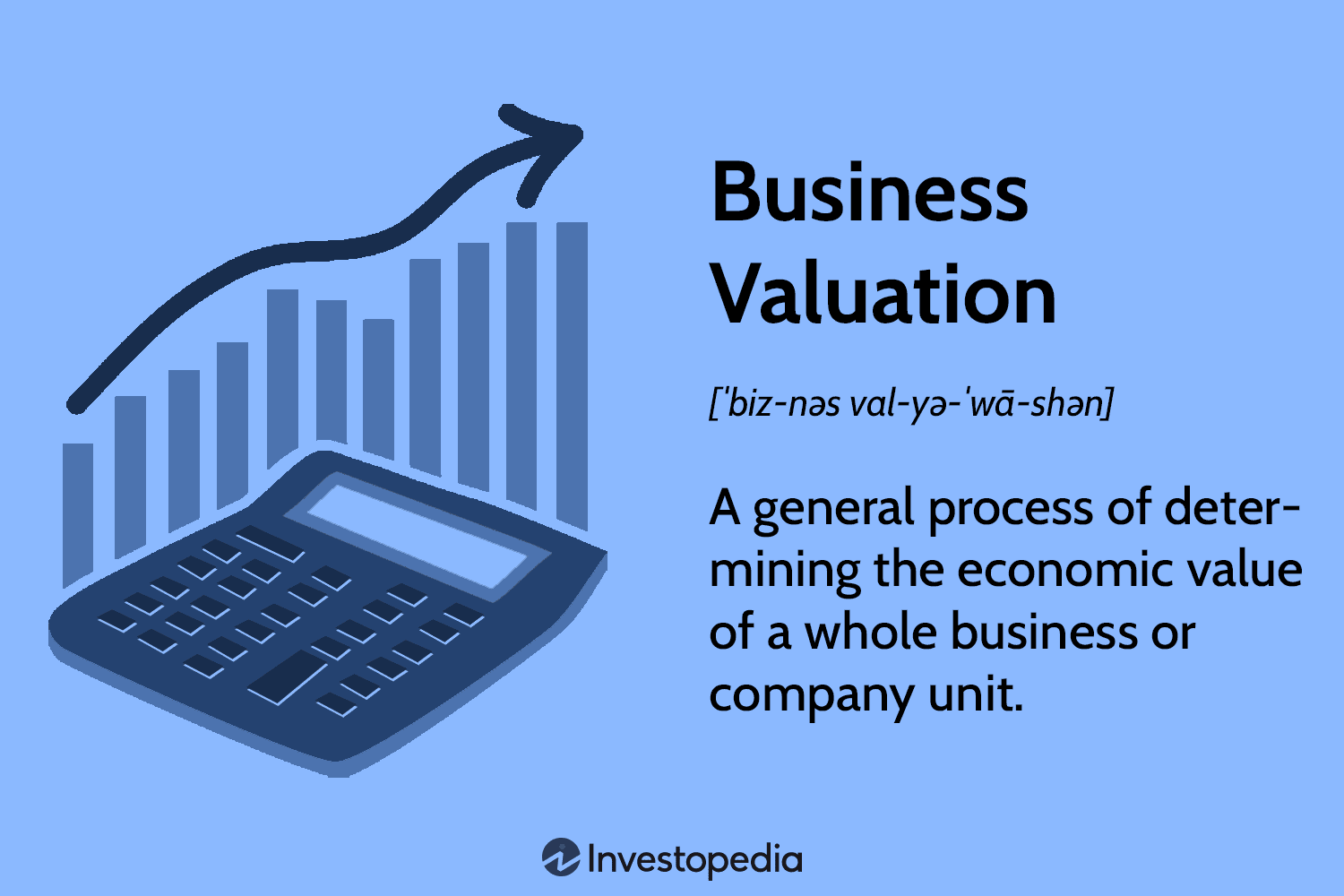
Determining the true market value of a business is a critical step in any buying or selling process. For business owners looking to sell or investors hoping to purchase, knowing the accurate worth of a company ensures fair negotiations and successful transactions. This is where the expertise of business brokers becomes invaluable. Business brokers play a central role in evaluating a company’s market value, guiding both sellers and buyers through a complex financial landscape.
Understanding the Role of Business Brokers
Business brokers are professionals who specialize in facilitating the sale or purchase of businesses. One of their primary responsibilities is helping owners understand what their company is truly worth. Unlike relying solely on personal intuition or industry comparisons, business brokers use systematic approaches and deep market knowledge to provide an accurate valuation. Their goal is not only to determine a fair price but also to position the business attractively to potential buyers.
Analyzing Financial Statements
The first step business brokers typically take in evaluating a business is analyzing its financial statements. This includes income statements, balance sheets, and cash flow reports. By examining revenue trends, profit margins, and operating expenses, brokers gain insight into the company’s financial health. They pay close attention to consistent patterns, such as recurring revenue streams, as these often indicate stability and predictability in future earnings.
Additionally, business brokers often adjust financial statements to reflect the true operational profitability of the business. For example, personal expenses of the owner that are recorded as business expenses may be added back to the profit to show the company’s actual earning potential. These adjustments ensure that the valuation accurately reflects the business’s performance, rather than just its bookkeeping records.
Assessing Market Conditions
Business brokers also consider external market conditions when evaluating a company. They analyze industry trends, competitive landscape, and economic factors that could affect the business’s future performance. For instance, a business operating in a rapidly growing industry may command a higher valuation due to anticipated growth, whereas a business in a declining sector may be valued more conservatively. By understanding both the micro and macroeconomic factors, brokers can position the business in a way that appeals to buyers while remaining realistic about its market value.
Applying Valuation Methods
There are several valuation methods that business brokers use to determine the market value of a company. Some common approaches include:
- Asset-Based Valuation: This method calculates the total value of a company’s assets minus liabilities. It is often used for businesses with significant tangible assets, such as manufacturing or real estate ventures.
- Income-Based Valuation: This approach focuses on the company’s ability to generate profit in the future, often using multiples of earnings before interest, taxes, depreciation, and amortization (EBITDA).
- Market Comparison: Business brokers may also compare the business to similar companies recently sold in the same industry. This method helps gauge what buyers are willing to pay based on real-world transactions.
By combining these methods, brokers can triangulate a fair market value that considers both the company’s internal performance and external market factors.
Providing a Realistic Valuation
One of the most important aspects of working with business brokers is receiving a realistic valuation. Overpricing a business can discourage buyers, while underpricing may result in financial loss for the owner. Experienced brokers provide a balanced perspective, helping owners set a competitive yet fair price that reflects the company’s true worth.
Conclusion
Evaluating the true market value of a company requires a combination of financial analysis, market insight, and industry expertise. Business brokers bring all these elements together to ensure that both sellers and buyers can make informed decisions. By relying on their knowledge and systematic valuation methods, business owners can confidently enter the market, knowing they are presenting their company at its true value. For anyone looking to navigate the complexities of business transactions, the guidance of skilled business brokers is indispensable.
