



Understanding Trade Finance
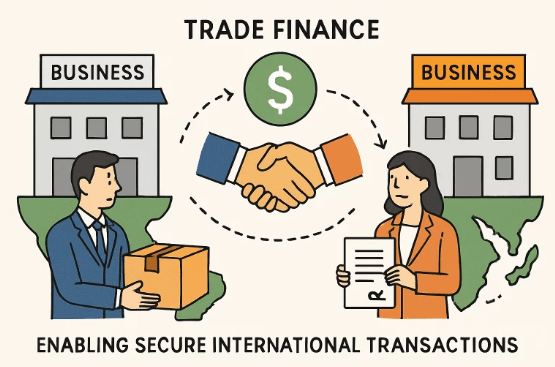
Trade finance is a specialized area of finance that plays a vital role in global commerce, serving as the backbone for businesses operating or aspiring to operate internationally. By bridging the funding gap between buyers and sellers across borders, it enables companies to confidently manage the risks and uncertainties that come with global transactions. Trade finance encompasses a range of financial products, including letters of credit, export credit insurance, supply chain financing, and documentary collections, each tailored to address a distinct challenge encountered in cross-border trade. These financial tools ensure that buyers receive their goods and sellers receive payment, even in unfamiliar markets and with new trading partners. Trade Finance New Zealand offers region-specific expertise and tailored trade finance solutions, enabling businesses to navigate both local and international complexities effectively and transparently. Leveraging such services transforms what would be a daunting global expansion into a strategic advantage, facilitating smoother transactions and fostering sustainable business growth.
Trade finance is crucial for small and medium-sized enterprises (SMEs), providing access to funding tools that enable them to manage risk, unlock working capital, and pursue international growth. This democratization empowers SMEs to engage in larger trade deals and diversify the global marketplace.
Enhancing Cash Flow Management
Trade finance products help businesses maintain a healthy and predictable cash flow, especially during periods of expansion. They address the lag between production and payment in international trade, providing vital liquidity when needed. Pre-export financing, post-shipment financing, and invoice factoring help businesses continue operations without stress from overseas payments. For example, a New Zealand-based manufacturer can utilize trade finance to purchase raw materials, scale production, cover payroll, and ship products before payment is due, thereby ensuring agility and reducing dependence on lengthy payment cycles. This improved cash flow supports ongoing business activity and global growth.
Facilitating Market Expansion
Expanding into new markets is crucial for businesses, but it involves complex risks like default by unknown buyers, regulatory compliance, and fluctuating exchange rates. Trade finance solutions, such as export credit insurance and currency hedging, help mitigate these risks. The World Trade Organization states that trade finance is essential for over 80% of global trade transactions. Digitalization has made these financial products more accessible to businesses of all sizes, particularly SMEs, enabling them to participate in larger deals, offer competitive payment terms, and accelerate expansion with increased security and confidence.
Strengthening Business Relationships
Trust is crucial in international business, and trade finance plays a vital role in establishing it between buyers and sellers. Payment instruments, such as letters of credit and bank guarantees, protect financial interests, reducing disputes and fostering strategic relationships. For instance, a growing technology company in India can secure timely payments and reassure buyers of reliable delivery through trade finance solutions. This mutual reliability fosters partnership, innovation, and joint growth opportunities, allowing both parties to plan for the long term.


