

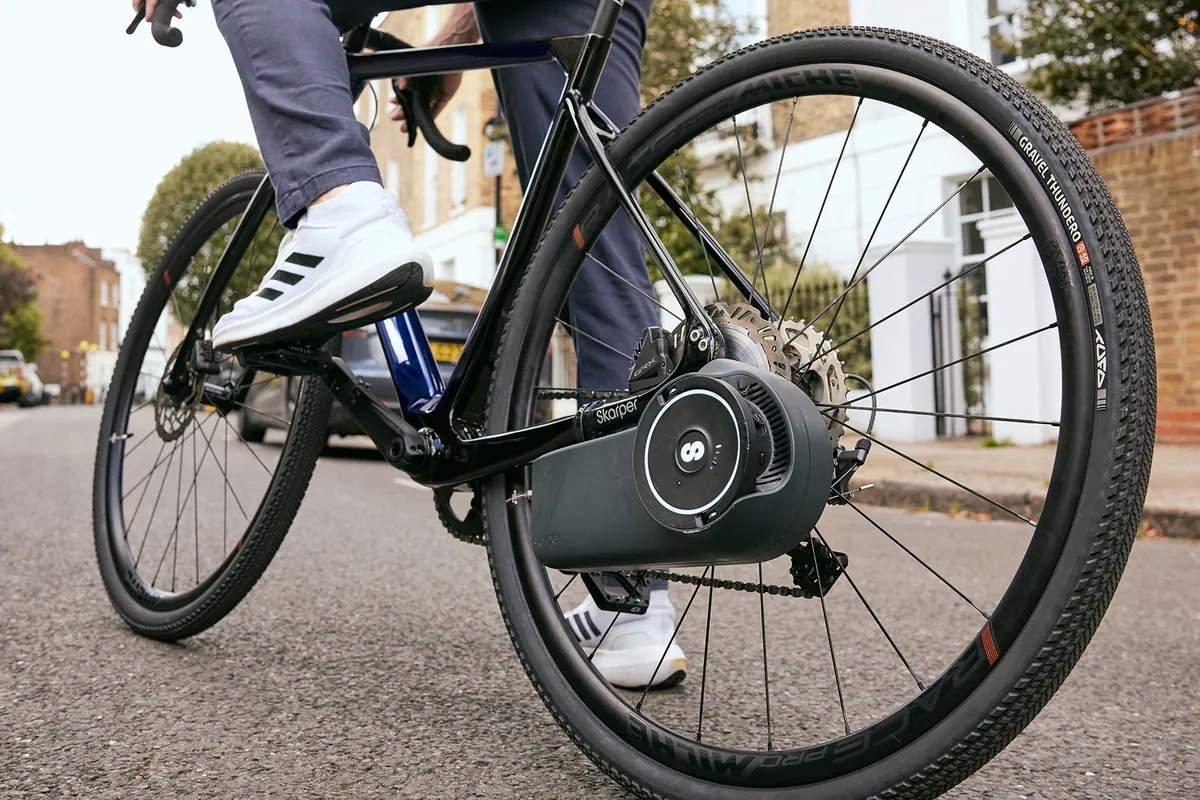
E-bikes continue to revolutionize personal transportation, offering an eco-friendly and efficient way to travel. For cycling enthusiasts looking to upgrade their traditional bikes, e-bike conversion kits have become a popular choice. These kits provide a cost-effective solution, but selecting the right one depends heavily on understanding power requirements.
In 2025, advancements in technology have made conversion kits more versatile and powerful than ever. From tackling steep hills to extending battery life, matching the kit’s power output to the rider’s needs is crucial for performance and efficiency. Whether it’s for daily commutes or off-road adventures, finding the perfect balance can transform the cycling experience.
Matching Wattage to Rider Weight and Commute Distance
Selecting the right wattage depends on the rider’s weight and the average distance of their commute. A heavier rider often benefits from higher wattage motors, as increased power supports more efficient performance on various terrains. For instance, a rider weighing over 200 lbs may require a motor rated at 750W or higher to handle inclines and maintain consistent speed.
Commute distance also dictates wattage needs. Short urban commutes under 10 miles typically work well with 250W to 500W kits, which balance power and battery efficiency. Longer rides of 20 miles or more, especially on routes with elevation changes, might necessitate 750W to 1000W motors to ensure sustained performance.
Riders combining weight over 220 lbs, hilly terrain, and a 15-mile commute may find kits exceeding 750W ideal, while those seeking more power might look toward setups used in the Fastest E-bikes, which can provide up to 1500W. However, exceeding 1000W often increases cost and reduces battery range, making it critical to evaluate specific needs before upgrading.
When to Choose 500W, 750W, 1200W, or 1500W Motors
500W Motors
500W motors are suitable for riders covering flat terrain and moderate distances, typically under 15 miles. They accommodate lighter riders under 170 lbs or those seeking basic assistance for daily commutes. These motors perform well on urban streets, providing sufficient power without significantly draining the battery. They are a practical choice for budget-conscious riders prioritizing energy efficiency.
750W Motors
Riders navigating hilly terrain or weighing between 170 and 220 lbs may find 750W motors ideal. These kits strike a balance between power and efficiency for commutes up to 20 miles and moderate inclines. They enable reliable performance on mixed terrains, making them a popular choice for mid-range e-bike conversions. This wattage can handle slightly faster speeds without overstraining the system, appealing to those upgrading for versatility.
1200W Motors
1200W motors cater to users tackling off-road trails, steep inclines, or commutes exceeding 20 miles. They suit riders weighing over 220 lbs or those preferring the extra torque necessary for challenging conditions. This power level is common among those enhancing e-bikes for recreational activities or higher-speed capabilities. However, frequent use of 1200W motors may reduce battery lifespan and require upgraded components, such as durable frames and hydraulic brakes.
1500W Motors
1500W motors target those seeking maximum performance for demanding routes or riding the fastest e-bikes in 2025. Designed for advanced riders, this wattage supports heavy loads, prolonged steep climbs, and high-speed travel exceeding 30 mph where permitted. Ideal for long-distance journeys and extreme terrains, these motors deliver exceptional torque but can increase costs and drain batteries quickly. Users should balance power output with travel needs to ensure practicality.
Understanding Elevation Profiles for Route-Based Kit Selection
Elevation changes significantly impact the power requirements of e-bike conversion kits. Steeper inclines demand higher wattage motors to maintain a consistent speed and reduce strain on the components. For flat routes or mild slopes under 5%, riders can typically rely on 250W to 500W motors, as these provide sufficient power for smooth operation without wasting energy.
For routes with moderate inclines between 5% and 10%, motors in the 750W range deliver the necessary torque, especially for riders between 170 and 220 lbs. These kits ensure efficient performance on daily commutes or recreational rides with mixed terrain. Riders encountering steep gradients exceeding 10% benefit from 1200W or higher wattage kits. These motors generate the force required for challenging climbs, making them ideal for heavy riders, off-road trails, or mountainous areas. Contact us if you need help selecting the best motor based on your typical elevation profiles.
Selecting kits based on elevation profiles also influences battery performance. Higher wattage motors tend to deplete batteries faster on steep routes, requiring higher-capacity battery packs to maintain range. For example, a 1200W motor paired with a 14Ah battery may handle a 15-mile route with significant elevation changes, but riders on extreme climbs should consider batteries rated 20Ah or higher.
Understanding elevation details helps riders match conversion kits to route characteristics, ensuring optimal functionality and efficient energy use.
How Motor Efficiency Affects Long-Term Battery Cost
Motor efficiency directly influences the longevity and costs of e-bike batteries. Efficient motors convert more electrical energy into mechanical power, reducing energy waste. This efficiency minimizes the frequency of recharging, allowing batteries to sustain consistent performance over extended periods. Inefficient motors, primarily when paired with high-wattage systems exceeding 1500W, generate more heat and energy loss, accelerating battery wear.
High-efficiency motors require less current to deliver the same output, preserving the battery’s charge cycle. For example, a 750W motor with a 90% efficiency level consumes significantly less energy over a 20-mile ride than one operating at 80% efficiency. This distinction lowers the cumulative charging cycles, extending battery lifespan and reducing long-term replacement costs.
Over time, inefficient motor systems lead to higher operational costs. Riders opting for powerful motors, such as those in the fastest e-bikes category, may face quicker battery depletion when motor designs prioritize power over efficiency. While such motors excel in speed and off-road applications, they necessitate higher-capacity batteries, which often come at a premium price. Selecting conversion kits with optimized motor efficiency promotes long-term savings for both urban commuters and recreational users.
Fastest E-bike Configurations and Their Limitations
Fastest e-bike configurations rely on high-powered motors, typically rated between 1000W and 1500W. These setups deliver peak speeds exceeding 28 mph, catering to advanced riders who prioritize performance for off-road adventures or extensive commutes. Motors rated at 1200W or more achieve rapid acceleration on steep inclines and rugged trails, making them ideal for heavy riders or challenging terrain. They often pair with large-capacity battery packs, ensuring sustained power for longer distances.
High-performance motors come with limitations despite their benefits. Increased power results in faster battery depletion, necessitating batteries with at least 20Ah capacity to maintain a reasonable range. These systems generate higher heat during operation, which may require periodic maintenance to avoid motor overheating. The combined weight of powerful motors and large batteries can also affect overall bike handling, especially for urban riders on shorter commutes.
E-bike conversion kits exceeding 1500W bring additional challenges. While they enhance speed and climbing capability, their compatibility may be restricted to specific bike frames designed to handle extreme torque. Excessive power can also cause drivetrain wear, requiring frequent replacement of chainrings, sprockets, or chains. Riders considering such setups should account for these factors to balance performance with long-term costs.
Balancing Power with Safety and Frame Durability
High-powered e-bike conversion kits offer impressive performance, but ensuring compatibility with the bike frame and safety standards is critical. Frames not designed for higher wattage motors, such as those exceeding 1000W, may experience structural strain, especially with frequent use on uneven terrain or steep inclines. Reinforced or high-tensile steel frames increase durability and reduce the risk of damage under these conditions.
Brake system upgrades are necessary for e-bikes converting to powerful motors. Mechanical disc brakes suit entry-level configurations up to 750W, while hydraulic disc brakes handle advanced setups like 1200W or 1500W motors. These options ensure sufficient stopping power, particularly for the fastest e-bikes reaching high speeds on descents.
Torque generation affects frame durability and safety. Torque from high-wattage motors can loosen connections or lead to component failure if the frame is incompatible. Selecting kits with torque arms distributes force more evenly, preventing axle slippage and maintaining structural integrity during acceleration.
Battery placement impacts overall stability and safety, especially for conversion kits with larger capacities, like 20Ah or higher. Frames with centrally mounted batteries improve weight distribution and handling, while oversized batteries mounted on rear racks may destabilize the bike during cornering or braking.
Adapting to Weather and Climate Conditions with Kit Choice
Choosing the right e-bike conversion kit in 2025 goes beyond power needs—it’s about aligning performance with environmental factors. Weather conditions, such as rain or extreme heat, can impact motor efficiency and battery life. Riders in wet climates should prioritize kits with waterproof components and sealed batteries, while those in hot regions may benefit from systems designed to dissipate heat effectively.
Considering climate and terrain ensures a smoother, safer riding experience while maximizing the lifespan of the conversion kit. By evaluating these factors alongside power requirements, riders can enjoy a reliable and cost-effective e-bike setup tailored to their unique needs.
