



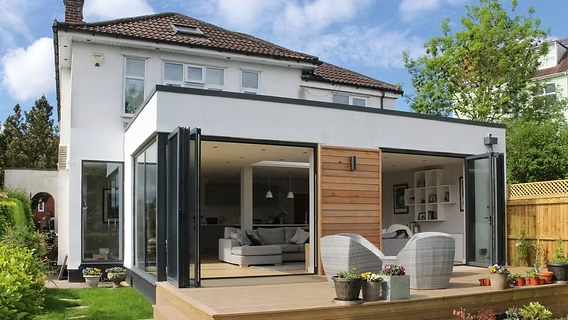
House extensions are an increasingly popular way for homeowners to increase living space without the need to move. As property prices continue to rise and available land remains limited, extending an existing home provides a practical and cost-effective solution to accommodate growing families, improve functionality, or increase a property’s value.
Investing in house extensions allows owners to customise their living environment to better suit their needs. Whether the goal is to create a larger kitchen, a new bedroom, a home office, or a dedicated entertainment area, carefully planned extensions can significantly enhance the overall quality of life.
One critical factor to consider when undertaking house extensions is the involvement of experienced professionals. Engaging a specialist builder ensures that the extension is designed, planned, and constructed to the highest standard, taking into account structural integrity, building regulations, and aesthetic considerations.
Using professional services for house extensions helps to ensure compliance with local planning permissions and building codes. This reduces the risk of costly delays or legal issues arising from non-compliance. Builders with relevant experience also offer valuable advice on the best materials, designs, and layouts suited to the existing property.
Many reputable companies offer comprehensive house extension services, combining architectural design, project management, and construction. These providers assist clients from the initial consultation through to the completion of the project, maintaining clear communication and project timelines throughout.
An extension typically involves either single or multiple storeys being added to a property, depending on the homeowner’s requirements and site constraints. Common types include rear extensions, side extensions, loft conversions, and garage conversions, each offering different possibilities for expanding usable space.
Rear extensions are popular as they often enlarge kitchens and dining areas. These spaces usually connect directly to the garden, enhancing natural light and providing a sense of openness. Such extensions can be tailored to include features like bi-fold doors or skylights to further improve ambience.
Side extensions, sometimes known as wrap-around extensions, increase the footprint of the building and are useful for creating additional rooms such as living areas or bedrooms. These require careful consideration of boundary lines and neighbouring properties to avoid conflicts and ensure privacy.
Loft conversions represent another effective method of adding space without extending the footprint of the house. Turning unused attic space into bedrooms or studies can significantly enhance functionality, provided structural assessments demonstrate the suitability of the roof space.
Garage conversions are an efficient way to create new rooms without extensive construction work. Transforming existing garages into habitable spaces can suit home offices, gyms, or guest rooms, contributing to the overall utility of the property.
When planning house extensions, it is essential to consider the impact on the existing property style and neighbourhood character. Quality extensions should blend seamlessly with the original architecture, using complementary materials and design elements to maintain aesthetic coherence.
In addition to expanding physical space, house extensions can improve energy efficiency by incorporating modern insulation, double glazing, and sustainable heating systems. This not only reduces environmental impact but also decreases ongoing energy costs for homeowners.
The cost of house extensions varies widely depending on size, complexity, materials, and location. A detailed quote and transparent pricing from a professional builder help homeowners budget effectively and avoid unexpected expenses during construction.
Timeframes for completing house extensions typically range from several weeks to a few months, depending on project scope. Efficient project management by experienced builders minimises disruption to daily life and maintains a clear schedule from start to finish.
Selecting the right company to undertake house extensions is crucial. Potential clients should seek builders with established reputations, positive client testimonials, and a portfolio showcasing a range of completed projects. This provides confidence in the quality and reliability of their work.
For those considering home improvements, reaching out to specialist providers in the field of house extensions is a vital first step. These experts can assess individual requirements, offer tailored solutions, and manage the entire process to achieve the desired outcome.


