

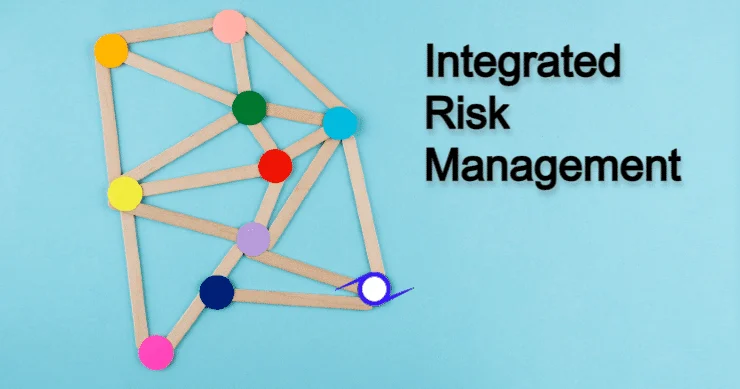
Cybersecurity remains a top concern for organizations seeking to protect sensitive data and maintain trust. A unified approach to risk management can simplify oversight, improve response times, and minimize vulnerabilities. Adopting a single framework helps streamline processes, enhances visibility, and reduces the chances of oversight. The following tips provide a clear path for organizations aiming to introduce a unified platform for managing cybersecurity risks.
Assess the Current Security Posture
An organization should be able to assess its current security posture before introducing any new tools. Diagnosing existing systems involves mapping out their positives and negatives. Familiarity with the current environment helps teams discover loopholes and predict possible challenges during integration. These findings are regularly reviewed to ensure that risk management continues to be effective and relevant. Organizations exploring a cybersecurity risk management platform often discover how unified tools streamline compliance and reduce vulnerabilities.
Set Clear Objectives and Expectations
When the purpose is clear, implementation is clearer. With a common platform, teams should decide what they want to accomplish. Goals can range from accelerating incident response or centralized monitoring to increasing compliance. Setting these expectations up front helps stakeholders measure progress and synchronize effort throughout the process.
Involve Stakeholders at Every Step
Implementing successful projects necessitates interdisciplinary cooperation. Collaboration with IT, compliance, legal, and executive teams helps ensure that the platform meets a range of needs. The involvement of key stakeholders from the outset helps create ownership and reduces the likelihood of resistance to change. Through workshops, constant updates, and feedback sessions, we strive to always ensure that no one is left out.
Select a Scalable and Adaptable Solution
As the organization matures or changes, a single solution should adjust. With flexibility, businesses can integrate new technologies or processes and continue to expand without needing major overhauls. Supporting scalability will ensure that the solution can scale to handle more data, more users, or more locations in the future. To save resources and avoid disruption, the platform should be designed with future-proofing in mind based on past experiences.
Prioritize User Experience
The top platforms provide intuitive design and easy-to-understand workflows. Complicated, high-friction systems frustrate users and slow adoption. Things must be easy to train and have extra support resources thereafter. Positive feedback from end-users at the time of use will highlight areas for enhancements that will improve the accessibility and effectiveness of the platform.
Integrate Existing Tools and Processes
Most organizations use security apps or monitoring tools. Combining these assets with the new platform maximizes value and minimizes disruption. It should work along with the current systems to enable smooth data flows and ensure consistency in reporting. Planning connections in advance not only improves the rollout, but it also prevents gaps in protection.
Automate Where Possible
It accelerates detection, response, and reporting with automation while reducing human error. Routine scans and immediate notifications, along with technical compliance scanning, help release staff for more advanced analysis. Automation integration also ensures adherence to standardization across departments. An ideal platform can also automate several functionalities, which reduces the effort of manual checks and the ever-increasing pressure of maintaining security standards.
Monitor Continuously and Adapt
Continuous monitoring allows for the consolidated platform to adapt as threats change. With help from real-time dashboards and regular auditing, teams can detect aberrations faster. If an organization changes the policies and controls according to the new risks that arise all the time, the organization is ready for it. Reviews should be conducted periodically to check the efficacy, adjust to new and emerging threats, and fine-tune procedures.
Foster a Security-Focused Culture
Technology alone cannot guarantee safety. To accomplish this, it is crucial to educate employees about their responsibilities and the necessity for improved security measures. Regular training on this, clear rules, and open lines of communication all help to create a culture of safety. Emphasizing what everyone is able to do is an affirmation of the need for everyone to contribute to security, so the recognition of positive behavior and the communication of success are vital.
Conclusion
A unified platform for managing cybersecurity risks provides robust defense, visibility, and agility. First, assess your current situation, then apply appropriate technology, evaluate the results, and make necessary corrections while fostering a culture of security awareness and collaboration that encompasses both the human and technological aspects of security; each step is unique, but all are interdependent. By following these tips, organizations can make their risk management processes as simple, straightforward, and adaptable as possible to new challenges, all while ensuring that their most important assets are protected. Any organization can establish a robust foundation for enterprise cybersecurity by prioritizing integration, collaboration, and continuous evolution.
