Cyber security has moved well beyond the stereotype of people in dark rooms staring at lines of code. It now touches almost every part of modern business, from protecting customer data and securing cloud systems to helping organisations respond when something goes wrong.
That range is one reason more people are looking to start your career in cyber security. It’s a field with room for technical specialists, problem-solvers, communicators, analysts and people who enjoy figuring out how systems, businesses and human behaviour all fit together.
There’s More Than One Way In
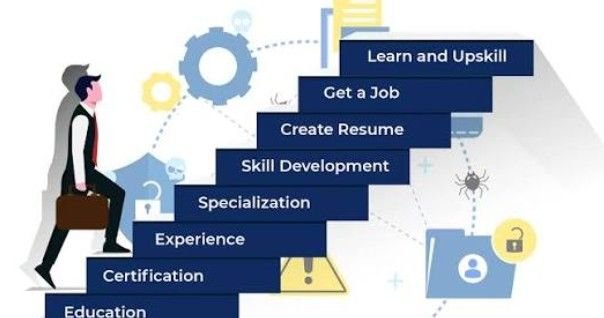
One of the most appealing things about cyber security is that there isn’t a single career path everyone has to follow. Some people arrive through IT support, networking or software development, while others come from risk, compliance, governance or even entirely different industries before retraining into a security role.
That variety reflects how broad the field has become. A security operations analyst may spend the day investigating alerts, while someone in governance might be working with policies, audits and risk frameworks. Penetration testers, cloud security specialists, incident responders and security consultants all work under the same broad cyber security umbrella, but their day-to-day jobs can look very different.
Curiosity Matters More Than People Think
Technical skills obviously matter in many cyber roles, but curiosity is just as important. Security work often involves asking questions that other people don’t think to ask. What happens if this account is compromised? Why is this system exposed to the internet? Who has access to this data? What would an attacker try first?
That mindset makes cyber security particularly appealing to people who enjoy solving puzzles and digging into problems until they understand what’s really happening. It also means there’s always something new to learn. Threats evolve, technologies change and businesses adopt new systems, so the job rarely stands still for long.
Communication Is a Big Part of the Job
Cyber security isn’t only about finding risks. It’s also about explaining them clearly. A technical team might understand exactly why a vulnerability matters, but senior management may need the issue translated into business terms before they can make a decision.
That makes communication skills surprisingly valuable. People who can explain complex problems without drowning everyone in jargon often become extremely useful in consulting, governance and leadership roles. The strongest security professionals usually know when to go deep technically and when to step back and explain the bigger picture.
You Don’t Need to Know Everything on Day One
Cyber security can feel intimidating because the field is so broad. There are countless certifications, tools, frameworks and specialisations, and it’s easy to assume you need to understand all of them before applying for a role.
You don’t need to master the entire industry at once. Most careers develop gradually, and building a solid understanding of networking, operating systems, cloud platforms or security fundamentals can provide a strong base, depending on the direction you want to take. Entry-level roles, internships, graduate programs and adjacent IT positions can all help build practical experience while you figure out which areas interest you most.
It’s a Career That Keeps Changing
The pace of change is probably one of cyber security’s biggest advantages and biggest challenges. There’s always a new technology, vulnerability or way of working to understand. For people who like predictable routines, that may feel exhausting, but for people who enjoy learning and adapting, it can make the career unusually engaging.
It’s also a field where the work has a clear purpose. Good cyber security helps organisations protect data, maintain trust and keep essential systems running. That combination of technical challenge, business relevance and constant change is why cyber security continues to attract people from such a wide range of backgrounds. You don’t need to fit a particular stereotype to belong in the industry; you just need an interest in how things work, where they can fail and how to make them safer.