



Introduction
Property security has become a growing concern for both residential homeowners and commercial operators. Rising rates of trespassing, theft, vandalism, and unauthorized access have pushed perimeter protection to the forefront of safety planning. While alarms and cameras are valuable, they only activate after a breach has begun. Physical barriers that stop intruders before they enter are the true foundation of any security strategy. A high security fence is one of the most effective solutions for protecting residential, commercial, and industrial properties. Unlike standard fencing, these systems are engineered to delay, deter, and deny access. As threats evolve, relying on outdated or weak perimeter controls leaves assets and people vulnerable. Investing in robust perimeter security is no longer optional—it is an operational necessity.
What Is a High Security Fence?
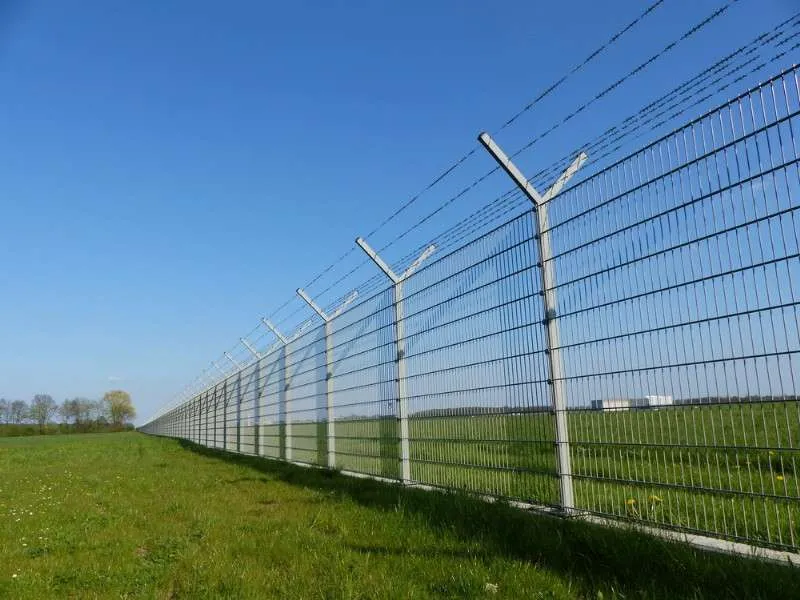
A high security fence is a specialized perimeter barrier designed to resist forced entry, climbing, cutting, and tampering. It differs significantly from standard fencing, which typically prioritizes aesthetics or basic containment over active threat prevention. Common materials include steel mesh, anti-climb panels, welded wire systems, and reinforced profiles with optional razor wire additions. Key features that define this category include increased height (often 2.4 meters or more), exceptional durability under impact, visibility for surveillance, and anti-cut technology that resists bolt cutters or saws. Unlike chain-link or wooden fences, a high security fence is tested against real-world attack methods. Many systems also integrate with electronic detection, creating a unified perimeter defense. Whether used alone or as part of a layered solution, this fence type sets a clear standard for modern property protection.
Key Benefits of Installing a High Security Fence
- Enhanced Protection
The primary function of a high security fence is to prevent intrusions and break-ins. Its physical strength stops unauthorized individuals from gaining entry, even when they are determined or equipped with basic tools. This is especially critical for sites storing valuable goods, sensitive data, or hazardous materials. - Deterrence Factor
Criminals almost always choose the path of least resistance. A professionally installed high security fence sends an immediate visual signal that a property is well-protected. Opportunistic thieves and vandals will typically move on to softer targets, reducing the likelihood of any attempted breach. - Improved Surveillance
Many high security fence designs use welded mesh panels that are highly transparent. This allows security cameras and guards to maintain clear sightlines both inside and outside the perimeter. Unlike solid walls that create blind spots, a transparent security fence enhances situational awareness. - Long-Term Durability
Modern high security fences are manufactured with weather-resistant and corrosion-resistant materials, such as galvanized or powder-coated steel. They withstand rain, snow, extreme heat, and coastal salt air without degrading. This longevity reduces replacement costs over time. - Cost-Effective Security Solution
While the initial investment is higher than standard fencing, the long-term savings are significant. Preventing even a single theft, act of vandalism, or liability incident can offset the entire cost of the system. When combined with reduced insurance premiums, a high security fence pays for itself.
Where High Security Fences Are Commonly Used
A high security fence is not limited to military or government sites. Today, these systems are deployed across diverse environments. Warehouses and distribution centers use them to protect inventory and loading docks. Factories and industrial plants secure expensive machinery and comply with safety regulations. Airports require strict perimeter control to prevent runway incursions. Military facilities and data centers demand the highest levels of access restriction. Schools increasingly install high security fences to create safe learning environments. Residential estates, particularly those with high-value assets or public access concerns, also benefit. Government buildings and utility substations complete the list of common applications. Each location shares a need for advanced perimeter security that standard chain-link or ornamental fencing cannot provide.
Important Features to Look For
When selecting a high security fence, certain features are non-negotiable. An anti-climb design eliminates horizontal or vertical hold points, making it impossible for intruders to gain footholds. Anti-cut mesh uses thick-gauge steel wires welded at every intersection, resisting bolt cutters and saws. A galvanized coating followed by polyester powder coating ensures rust resistance and color retention. Height options typically range from 2.1 to 3.6 meters—taller fences offer greater protection. Access control compatibility allows integration with gates, card readers, or biometric systems. For advanced sites, smart security integration is essential. This includes CCTV mounting brackets, motion sensor attachment points, and even electric fencing systems (where regulations permit). Choosing a fence that supports future upgrades ensures your perimeter remains effective for years.
Choosing the Right High Security Fence for Your Property
Selecting the correct system begins with property size and layout. Large industrial sites may require kilometers of fencing, while a residential estate might need only a modest perimeter. Next, analyze specific security risks: Is the threat opportunistic trespassing or targeted theft? Are there nearby structures that could aid climbing? Compare fence materials—welded mesh offers visibility, while solid panels provide privacy but reduce surveillance. Think about maintenance: powder-coated steel requires far less upkeep than untreated alternatives. Finally, always check local regulations regarding fence height, razor wire, and electrical components. Professional installation is highly recommended. Poorly installed fencing creates weak points that undermine even the best materials. Certified installers understand ground conditions, gate placement, and anchor depth, ensuring maximum strength.
Conclusion
Perimeter protection is the first and most critical layer of any security strategy. Without a strong physical barrier, cameras and alarms only document failures rather than preventing them. A properly designed high security fence deters intruders, supports surveillance, and delivers decades of reliable service. It reduces theft, vandalism, liability, and long-term operating costs. For any property owner who takes safety seriously—whether residential, commercial, or industrial—waiting until after a breach is simply too late. Investing in a high security fence is a proactive step toward protecting assets, people, and property from modern security threats. Make perimeter security a priority today, before a vulnerability becomes a loss.


