

Understanding brain activity can lead to better focus, relaxation, and cognitive balance. Advanced techniques now allow individuals in Denver to train their minds using structured methods. These approaches help improve attention, emotional control, and overall cognitive function. This article discusses how such a guided brain training works and what to expect during each session.
Initial Assessment and Goal Setting
Neurofeedback Therapy Denver begins with a comprehensive assessment to evaluate cognitive patterns. This step helps determine the starting point for structured brain training. Evaluating neural activity allows for personalized adjustments to the overall training approach. Setting clear objectives ensures measurable progress over time.
Brain mapping technology captures real-time data to assess current cognitive functions. Assessments conducted in Denver often consider lifestyle factors such as stress levels, sleep patterns, and daily habits. The gathered information helps in forming a structured plan for training. Understanding baseline patterns provides a roadmap for tracking improvements. Setting achievable goals creates a foundation for long-term cognitive balance.
Electrode Placement and Brainwave Monitoring
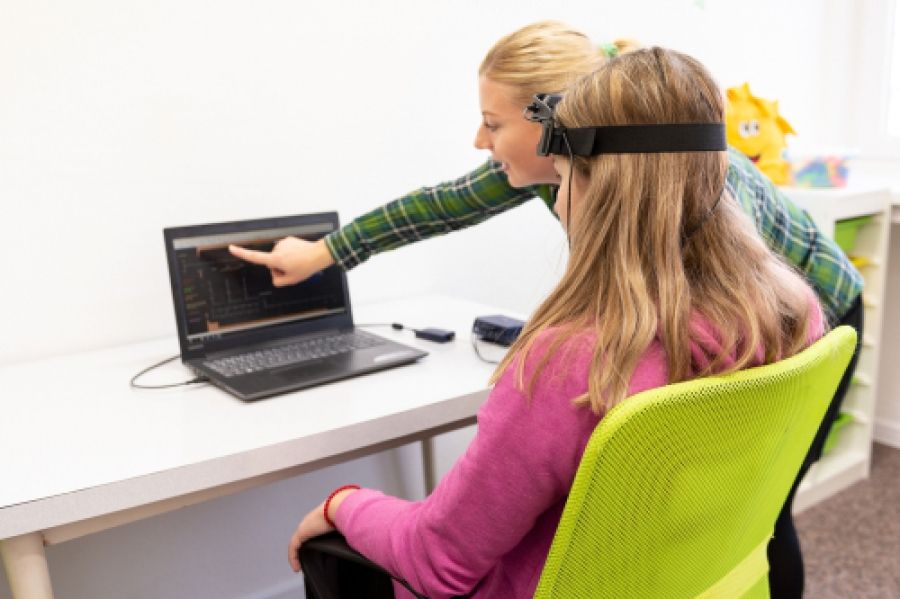
Neurofeedback sessions in Denver utilize advanced technology to ensure accuracy in monitoring and optimizing cognitive function. During a session, electrodes are placed on the scalp to measure electrical activity. These sensors collect real-time data without causing discomfort. The information gathered helps in understanding thought patterns and responses to stimuli.
Tracking these signals allows for adjustments to enhance cognitive efficiency. Then, brain activity is displayed on a screen for detailed analysis. The feedback received helps individuals recognize patterns and adjust responses. This step plays a crucial role in training the mind to function optimally. Monitoring these changes provides valuable insights into cognitive progress.
Interactive Brain Training Exercises
Sessions include structured activities that encourage cognitive adaptability. These exercises involve visual or auditory feedback to reinforce positive neurological patterns. Training the brain through interactive methods promotes better attention and mental flexibility. Over time, repeated exposure to these techniques strengthens cognitive responses.
Activities are designed to engage the mind and encourage better regulation of responses. The repetition of these exercises trains the brain to form efficient neural connections. Positive reinforcement allows for gradual improvements in focus and cognitive stability. Each session builds upon previous progress, creating long-term benefits. Many individuals in Denver seek these exercises to enhance their ability to stay focused and perform consistently.
Progress Tracking and Adjustments
Tracking changes over time helps refine training approaches. Regular evaluations ensure that cognitive exercises remain effective. Adjustments are made based on observed improvements or areas needing additional focus. Progress tracking ensures continuous advancements in cognitive efficiency.
The ability to adapt techniques ensures consistent development. Reviewing past sessions helps individuals recognize patterns and refine training strategies. Brain activity shifts over time, requiring modifications for sustained results. Personalized adjustments make each session more effective for long-term benefits.
How Can Neurofeedback Training Improve Cognitive Performance?
Many Denver folks wonder how structured brain training impacts focus and mental clarity. Training techniques aim to refine thought patterns and improve neurological adaptability. Over time, structured sessions encourage long-lasting improvements in cognitive efficiency. The ability to monitor changes allows for targeted improvements in daily performance.
Understanding the brain’s response to structured training helps achieve balanced cognitive function. Each session builds on previous progress, reinforcing stronger neurological connections. This method’s adaptability makes it suitable for various cognitive goals. Exploring these techniques can lead to noticeable improvements in focus and emotional balance.
Neurofeedback Therapy in Denver follows a structured process that enhances cognitive adaptability and focus. Training the mind involves real-time monitoring, interactive exercises, and ongoing progress assessments. Adjusting techniques ensures continuous improvement in neurological efficiency. This method offers a structured approach to refining thought patterns and improving long-term cognitive balance.
