

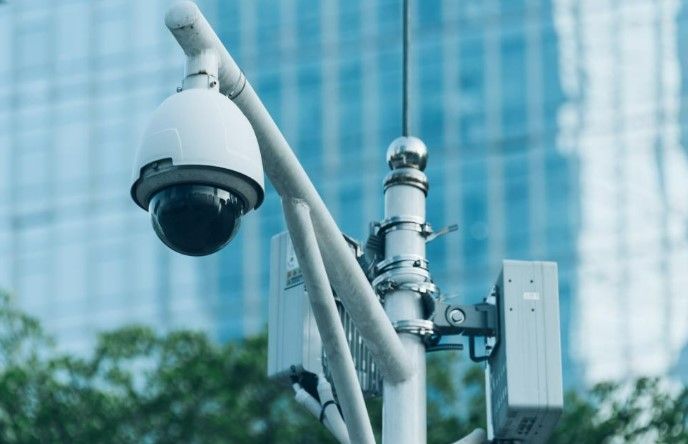
In cities like London, Windsor, and surrounding areas, the growing presence of CCTV cameras is hard to miss. They appear at intersections, outside businesses, in residential areas, and even on school property. While some people question whether these cameras actually stop crime, the evidence and psychology behind their effectiveness tell a different story.
It’s About Perceived Risk, Not Just Surveillance
CCTV cameras work because they shift the psychology of opportunity. Most crimes, particularly theft, vandalism, and break-ins, are opportunistic. When a potential offender sees a camera, they have to calculate risk. Will this footage be used to identify me? Will someone be monitoring this in real-time? Could this recording lead to an arrest?
This uncertainty is what deters many would-be offenders. The presence of a visible camera introduces a layer of unpredictability. Even if no one is watching in the moment, the possibility that someone could later review the footage is often enough to stop a crime before it starts.
Criminals Think Twice When They’re Being Watched
In studies conducted across urban areas, visible security cameras consistently led to reductions in property crimes. The logic is simple: criminals don’t want to be seen. They target areas where they believe they can act without consequence. Once that anonymity is gone, their confidence erodes.
For homeowners and business owners in London and Windsor, this insight is crucial. Installing exterior cameras is about more than trying to catch someone in the act; it’s about making your property a harder target from the start. A well-positioned camera over a driveway, walkway, or storefront can make a would-be thief walk away before they even get started.
The Role of Routine Activity Theory
Criminologists often refer to the Routine Activity Theory when explaining why crimes occur. According to this model, a crime requires three things: a motivated offender, a suitable target, and the absence of a capable guardian. CCTV cameras, especially in public and semi-private spaces, fulfill the role of that guardian. Even in the absence of a physical presence like a security guard or police patrol, the camera becomes a symbolic authority figure, one that witnesses and records.
This theoretical framework helps explain why cameras have a broader impact than just catching footage. They change the perceived dynamics of a space. A parking lot without surveillance invites opportunity. A parking lot under surveillance imposes a mental barrier.
Why Visibility Matters More Than You Think
A hidden camera may capture more candid footage, but it doesn’t do much to prevent crimes in the first place. Visibility is key. The psychological effect of being watched only works when people know they’re being watched. Signage, camera placement, and even the design of the equipment all contribute to this visibility.
For security-conscious property owners, this means choosing systems that don’t just record but announce themselves. Dome cameras, infrared lights, and clearly marked “under surveillance” zones are part of an environment that discourages illicit activity through presence alone.
CCTV as a Long-Term Deterrent, Not a Quick Fix
One of the overlooked benefits of installing surveillance is its long-term effect on neighbourhood stability. Over time, consistent monitoring reduces petty crime and loitering, which can contribute to broader improvements in community safety. While results may not be immediate, CCTV helps reshape the social norms of an area.
When residents and visitors come to associate certain spaces with order and oversight, those perceptions reinforce the very behaviours that make the area safer. This creates a positive feedback loop, where safety leads to visibility, which leads to deterrence, which reinforces safety.
Modern Systems Enable Proactive Responses
Modern CCTV systems do more than record passively; they also enable timely action. With motion-triggered alerts, live remote viewing, and even voice-enabled deterrents, today’s surveillance technology makes it possible to intervene earlier. This shift from passive recording to proactive monitoring is key in high-risk environments or areas with recurring nuisance activity.
Property owners can monitor in real-time, verify threats before dispatching help, and even use integrated systems to communicate warnings through loudspeakers. This changes the game from reacting to a crime to preventing one altogether.
Digital Evidence Strengthens Legal Outcomes
Beyond deterring crime, CCTV footage plays a critical role after an incident. High-quality video can provide indisputable evidence that supports investigations, insurance claims, and legal proceedings. This clarity helps law enforcement respond with greater precision and improves the likelihood of successful prosecution. In disputes over liability, whether involving theft, property damage, or trespassing, camera footage reduces ambiguity.
For property owners in London and Windsor, this means fewer delays, stronger cases, and faster resolutions.
CCTV Helps Build a Culture of Accountability
The psychological effect of cameras not only influences those who might commit crimes, but it also shapes community behaviour as well. When people know an area is monitored, they are more likely to look out for one another, report suspicious behaviour, and treat public and private spaces with more care.
The Deterrent Effect Grows When Cameras Are Combined With Other Measures
While CCTV cameras alone are powerful, their deterrent effect increases when combined with good lighting, secure locks, and signage indicating surveillance. These layered defences send a clear message: this property is protected, monitored, and not worth the risk.
In addition, integrating camera systems with mobile alerts or remote access allows property owners to respond in real time, further amplifying the risk perceived by intruders.
A Smarter Investment for Peace of Mind
For families, business owners, and landlords across London and Windsor, CCTV cameras offer peace of mind. The real value lies in prevention. When criminals know they might be seen, they behave differently. When neighbours know an area is under watch, they feel safer. CCTV systems send a warning. And in the real world, that warning is often enough to stop crime before it happens.
