

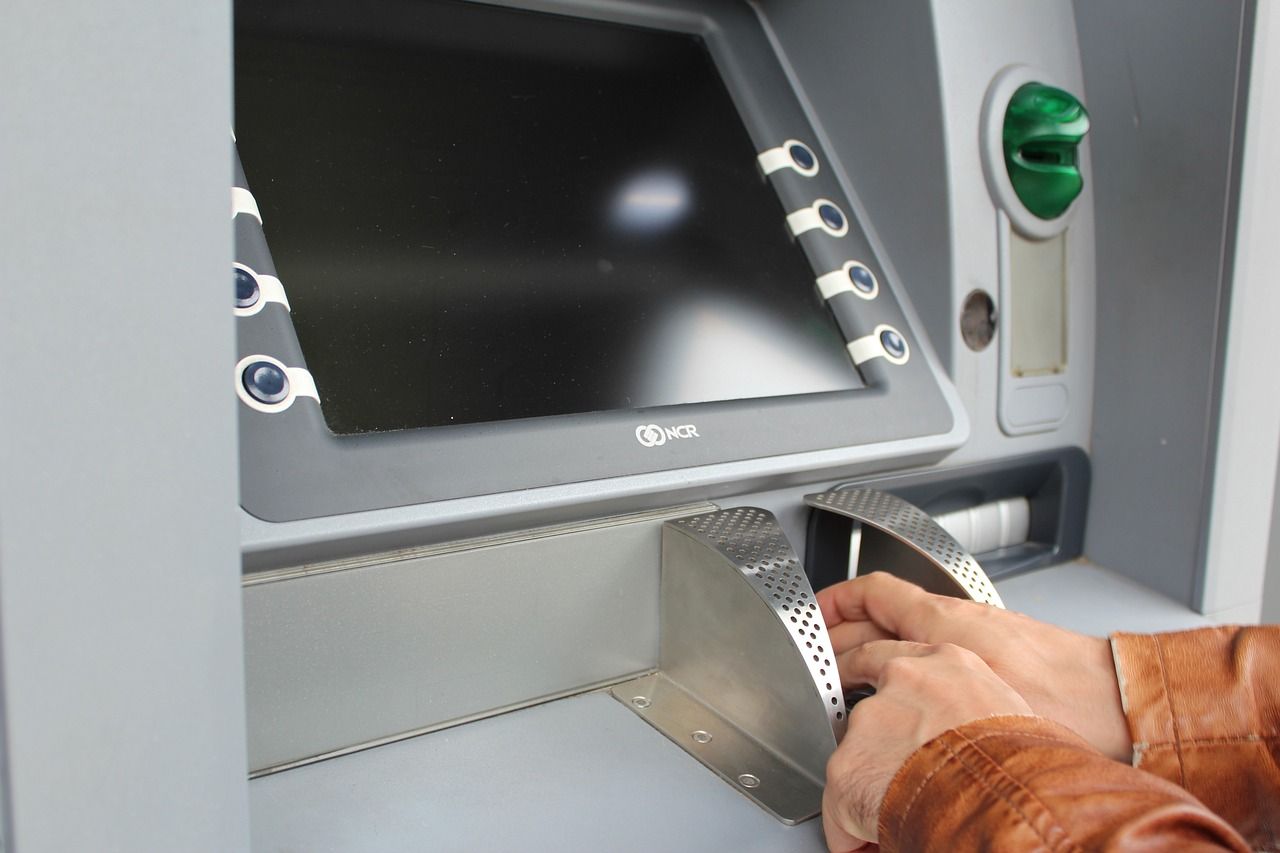
In the age of digital finance, you’ve likely encountered the modern conundrum of locating a Bitcoin ATM that’s both legitimate and secure. Researching ATM providers is your first line of defense against potential fraud. By verifying machine locations and checking user reviews, you’re taking crucial steps towards safeguarding your transactions.
However, understanding the security features and fees associated with these ATMs requires a discerning eye. It’s not just about finding a Bitcoin ATM nearby; it’s about ensuring your digital currency transactions are safe and sound. So, why is it imperative to scrutinize these aspects before you transact? Let’s explore further.
Research ATM Providers
Before using any Bitcoin ATM, it’s crucial to research and verify the legitimacy of the providers. You’re stepping into a world that’s convenient yet vulnerable to scams, so doing your homework can save you from potential headaches down the road. Start by looking up the names of the ATM operators. A legitimate provider usually has an established online presence, including a professional website and active social media accounts where they engage with their customers.
Don’t stop there. Dive into user reviews and feedback on platforms like Reddit, Google, and Trustpilot. You’re looking for a pattern of positive experiences and how the company handles complaints. It’s a red flag if you can’t find any information or if the feedback is overwhelmingly negative. Remember, a reputable provider values transparency and customer satisfaction.
Also, check for any news articles or press releases about the company. These can give you insights into their reputation within the industry and any past incidents or achievements. By the time you’ve done this legwork, you’ll feel more confident about the legitimacy of the Bitcoin ATM providers you’re considering. It’s all about ensuring your crypto transactions are safe and secure.
Verify Machine Locations
Once you’ve identified reputable Bitcoin ATM providers, it’s crucial to verify the actual locations of their machines to ensure they’re accessible and secure for your transactions. You’ll want to confirm that the listed addresses match real, physical locations where you can safely perform your transactions. It’s not uncommon for some addresses to be outdated or for machines to move without timely updates on the provider’s website.
To verify a Bitcoin ATM’s location, start by checking the provider’s website for a map or list of their machines. Then, cross-reference these details with online maps or navigation apps to confirm the existence of the location. Pay attention to the surroundings of the ATM, such as whether it’s inside a well-lit, busy area like a shopping mall or convenience store, which generally suggests a safer environment for your transactions.
Additionally, consider reaching out to the location directly, if possible. A quick call to the business hosting the ATM can confirm its presence and operational status. This step prevents wasted trips and ensures the ATM you plan to use is ready for your transaction.
Check User Reviews
Digging into user reviews can offer invaluable insights when scouting for a reliable Bitcoin ATM. It’s a step you shouldn’t skip, as it helps you gauge the experiences of past users, shedding light on the ATM’s reliability, transaction speeds, and customer service quality. You’ll find these reviews on various platforms, including social media, cryptocurrency forums, and Google Maps. Pay close attention to recent feedback, as it reflects the current state of the machine and its services.
When perusing these reviews, look out for recurring issues such as machine downtime, high transaction fees, or complicated user interfaces. Consistent complaints in these areas are red flags. On the flip side, positive reviews highlighting smooth transactions, user-friendly interfaces, and helpful customer support are promising signs.
Assess ATM Security Features
Evaluating the security features of a Bitcoin ATM is crucial to ensure your transactions are safe and secure. You’ll want to start by checking if the ATM has a robust verification process. This might include ID scans, facial recognition, or SMS verification. It’s a sign that the operator takes security seriously and is taking steps to prevent fraud and money laundering.
Look for ATMs that offer secure, encrypted transactions. Encryption protects your personal information and transaction details from hackers. If the ATM’s provider is transparent about their use of encryption technology, it’s a good indication that they prioritize user security.
Don’t forget to assess the physical security of the ATM. A securely mounted machine in a well-lit, populated area is less likely to be tampered with. Be wary of ATMs placed in secluded or poorly lit areas, as these could pose a higher risk for skimming devices and other security threats.
Understand Transaction Fees
After ensuring the security of a Bitcoin ATM, it’s essential to understand the fees involved with your transactions. Bitcoin ATM operators typically charge a fee for their services, which can vary widely. These fees are usually a percentage of the transaction amount, and they can significantly affect the total cost of your transaction.
To avoid surprises, you should always check the fee structure before proceeding with your transaction. Most Bitcoin ATMs will clearly display their fees on the screen before you confirm your transaction. Don’t skip this step—it’s crucial for ensuring you’re comfortable with the charges.
Report Suspicious ATMs
If you encounter a Bitcoin ATM that seems questionable, it’s important to report it immediately to ensure the safety of your transactions and others’. Identifying and reporting suspicious ATMs can help protect the community from scams and fraudulent activities. Here’s what you should do if you come across a Bitcoin ATM that doesn’t seem right.
First, don’t proceed with your transaction. If something feels off, trust your instincts. It’s better to be safe than sorry.
Next, gather as much information as you can about the ATM. Take note of its location, the company that operates it, and any unusual signs or behaviors it exhibits. If possible, take pictures of the machine, focusing on any identifying features or irregularities.
Once you have this information, report the ATM to the relevant authorities. This could include local law enforcement, financial regulatory bodies, or consumer protection agencies. Additionally, reach out to the operator listed on the machine, if there’s contact information available. They should be informed about potential issues with their equipment.
Conclusion
Finding a reliable and secure Bitcoin ATM near you involves a bit of legwork. Start by researching ATM providers, then verify their machine locations.
Don’t skip checking user reviews; they’re invaluable. Make sure to assess the ATM’s security features carefully and understand the transaction fees involved.
If you come across any ATMs that seem suspicious, report them immediately. By following these steps, you’ll ensure your Bitcoin transactions are both safe and efficient.
