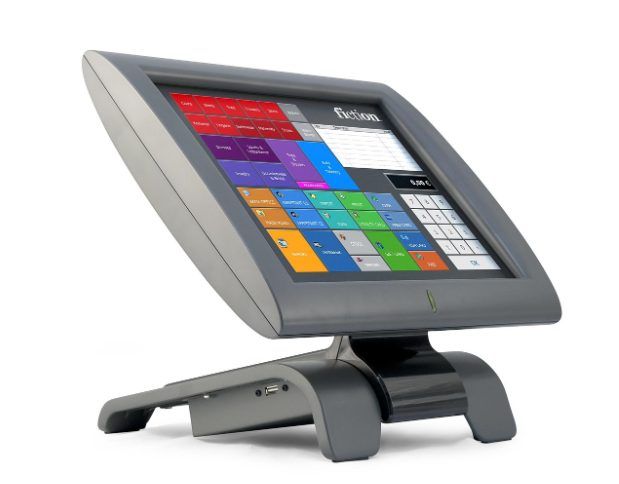
In March 2024, McDonald’s outlets from Chicago to Tokyo, to London experienced a global outage that knocked the point of sale terminals offline. It also took out the self-ordering kiosks and mobile orders. Downtime was roughly 12 hours and stemmed from a configuration change from a third-party provider.
The outage caused widespread chaos, with many outlets resorting to taking orders with pen and paper and accepting cash only. Even half a day of disruptions for an operation the size of McDonald’s represents millions in lost revenue and immeasurable damage to the brand. Powerful stories like this one have convinced businesses that they need to focus their efforts on POS resilience.
Points of failure
Companies should begin with a business impact analysis tailored to the specifics of their organization. Through your analysis, you’ll quantify exactly what an hour of POS downtime actually costs. For example, you’ll factor in things like:
- Lost revenue
- Lost labor
- Consulting costs
You’ll also examine factors that are somewhat harder to measure, like loss of customer goodwill. You then map these costs against the likelihood of failure. This helps you figure out exactly what a company offering 24/7 IT support is worth, particularly for retailers operating in Chicago, where proactive monitoring, rapid response, and managed IT services play a crucial role in preventing downtime and maintaining uninterrupted POS operations.
Internet service outages
For most companies, the biggest threat comes from internet service provider outages, but the following are also significant risks:
- electrical events, Wi-Fi problems, payment gateway failures, and terminal hardware faults.
- The biggest point of failure in most commercial locations is a single broadband connection.
You have a single main internet line going to one provider, and if the line goes down, your company systems go with it. Dual WAN architecture offers resilience because it provides a second signal path, usually a 5G modem that acts as a failsafe, taking over for your main broadband connection when it falls apart.
With the right hardware in place, you’ll have a system that detects internet packet loss within seconds and switches to a redundant system. What this effectively means is that cashiers can continue to punch in orders, give change, and print receipts, often without ever noticing that anything was amiss.
Where possible, the failsafe system should be from a different internet service provider. Serious problems at an ISP could mean both 5G and broadband connections experience issues at once.
Uninterrupted power
An uninterruptible power supply (UPS) keeps your POS systems and internet infrastructure functioning well. Even if your power supply experiences voltage dips or brief outages, a UPS system is essentially a short-term backup generator that can power your registers for at least 15 minutes.
The intention isn’t to let your business stay open and continue processing payments like nothing happened. Instead, it allows you to close existing sales and perform a clean shutdown. A UPS operates on batteries, and these degrade within a few years, so always test and schedule replacements.
Network segmentation
Ideally, you should segment the staff network, giving the POS traffic its own. It’s a VLAN network that’s isolated from the guest Wi-Fi system. Compliance standards insist on this anyway, so not only are you improving the connection, but you are also avoiding increasingly hefty fines for data protection violations. Segmentation protects customer data and stops internet traffic from disrupting the POS systems.
Continuous monitoring
You can’t fix what you can’t see, so a remote monitoring management platform can help you to track metrics like the following: terminal uptime, router health, UPS battery level, and peripheral status.
If anything drifts away from the baseline, you’ll get alerts immediately sent out to the appropriate staff. With the right monitoring systems in place, you can catch failures before customers even notice if anything is amiss. Because of the importance of keeping these systems running, most retailers without a dedicated IT team work with a managed services provider.
Ensure Resilience and Reliability
So, as you can see, there’s plenty that could go wrong and disrupt your POS operations. By having a segmented POS system with redundancies and alert systems, you can push through internet outages and technical glitches. If you don’t have an IT team, it makes sense to use a managed services provider to keep things running smoothly. If you’re interested in more of those and other topics, check out the rest of our blog posts.