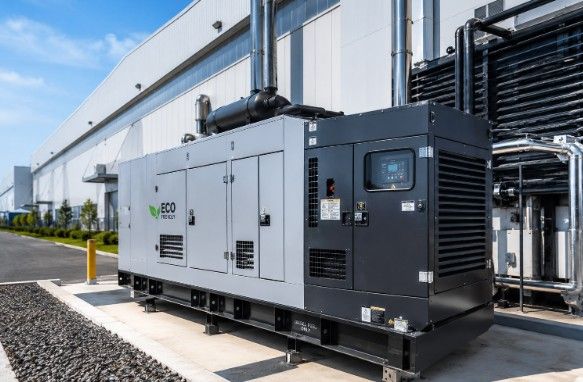
Rising fuel prices and increasing operational expenses are forcing businesses to pay closer attention to energy efficiency. Industries that rely on continuous power supply, remote operations, or backup electricity systems are especially affected by fuel consumption costs. For many companies, generators remain essential for maintaining productivity during outages, supporting construction sites, and powering industrial equipment in locations without stable grid access.
Modern businesses are now investing in more efficient power equipment to reduce long-term operating expenses. Many organizations work with a trusted gasoline generator manufacturer to access advanced generator systems designed for better fuel economy, stable performance, and improved durability.
Fuel-efficient generators are no longer viewed as optional upgrades. They have become an important part of cost management strategies across construction, manufacturing, logistics, agriculture, and emergency services.
The Rising Cost of Business Energy Consumption
Energy costs continue to increase across many industries. Businesses that depend heavily on generators often spend a significant portion of their operational budget on fuel alone.
Construction projects, outdoor events, mining operations, warehouses, and manufacturing plants frequently require portable or backup power systems to maintain daily activities. Older generators with poor fuel efficiency can quickly increase operational costs, especially when used continuously for long hours.
Even small improvements in fuel consumption can create substantial savings over time. Companies that operate multiple generators across several worksites often see the biggest financial impact from upgrading to more efficient systems.
How Fuel-Efficient Generators Reduce Costs
Modern generators are designed to produce more power while consuming less fuel. Advances in engine technology, combustion systems, and power management have significantly improved overall efficiency.
Lower fuel consumption directly helps businesses reduce:
- Daily operating expenses
- Long-term fuel budgets
- Equipment maintenance costs
- Downtime caused by inefficient performance
Fuel-efficient generators also help companies improve productivity because they can operate for longer periods without frequent refueling interruptions.
For industries that rely on continuous operations, this efficiency can make a major difference in overall profitability.
Improved Engine Technology
One of the biggest reasons modern generators consume less fuel is improved engine design. Manufacturers now focus heavily on combustion efficiency and power optimization.
Modern engines are built to:
- Deliver stable power output
- Reduce wasted fuel during operation
- Maintain performance under heavy loads
- Improve reliability during extended use
Advanced fuel injection systems and electronic controls help engines adjust fuel delivery based on power demand. This prevents unnecessary fuel consumption when the generator is operating below maximum capacity.
These improvements help businesses lower operating costs without sacrificing performance.
Reduced Maintenance Expenses
Fuel-efficient generators often require less maintenance compared to older models. Improved combustion systems reduce carbon buildup inside the engine, helping components last longer.
Lower maintenance requirements can reduce expenses related to:
- Engine repairs
- Oil replacement
- Filter changes
- Downtime during servicing
Businesses benefit not only from fuel savings but also from reduced labor and maintenance costs over time.
Reliable generators also minimize the risk of unexpected breakdowns that can interrupt operations and delay projects.
Longer Operating Hours
Modern fuel-efficient generators are designed to maximize runtime using smaller amounts of fuel. This is especially valuable for remote worksites and emergency backup operations where refueling may be difficult.
Longer operating times provide several advantages:
- Fewer work interruptions
- Improved productivity
- Reduced fuel transportation costs
- Better efficiency for overnight operations
Construction companies and industrial facilities often depend on continuous power supply to maintain equipment performance and project schedules. Generators that operate longer without refueling help improve overall workflow efficiency.
Lower Environmental Impact
Businesses are also under increasing pressure to reduce environmental impact and improve sustainability practices. Fuel-efficient generators help lower fuel consumption, which directly reduces exhaust emissions.
Modern generators are designed to:
- Produce cleaner combustion
- Reduce carbon emissions
- Improve energy efficiency
- Meet stricter environmental regulations
For companies focused on environmental responsibility, upgrading to efficient power systems can support both financial and sustainability goals.
This is becoming increasingly important in industries where environmental compliance affects contracts, certifications, and public reputation.
Better Performance During High Demand
Fuel-efficient generators are often equipped with advanced load management systems that help maintain stable power output during demanding operations.
Consistent performance is critical for:
- Manufacturing equipment
- Data systems
- Medical facilities
- Construction machinery
- Emergency response operations
Voltage instability or power fluctuations can damage sensitive equipment and create operational risks. Modern generators help reduce these problems while maintaining efficient fuel use.
Stable performance also helps businesses avoid costly equipment failures caused by unreliable power supply.
The Importance of Choosing the Right Generator
Not all generators provide the same level of efficiency. Businesses must consider several factors before investing in new equipment.
Important considerations include:
- Power output requirements
- Fuel consumption rates
- Runtime capacity
- Maintenance needs
- Operating environment
Choosing equipment that matches actual power demand is important because oversized generators may waste fuel unnecessarily.
Reliable manufacturers often provide detailed efficiency ratings that help businesses compare operating costs before purchasing equipment.
Industries Benefiting From Fuel-Efficient Generators
Many industries now rely heavily on fuel-efficient power systems to control operating costs and improve reliability.
Construction companies use portable generators to power tools and equipment at remote worksites. Manufacturing facilities depend on backup generators to avoid production downtime during outages. Agricultural operations often require mobile power systems for irrigation, storage, and field equipment.
Fuel-efficient generators are also widely used in:
- Mining operations
- Logistics and transportation
- Outdoor event management
- Emergency response services
- Telecommunications infrastructure
As energy costs continue rising, efficient power solutions are becoming increasingly valuable across multiple sectors.
The Future of Generator Technology
Generator technology continues to evolve as manufacturers focus on fuel economy, performance, and smarter energy management.
Future innovations may include:
- Hybrid power systems
- Advanced digital monitoring
- Automated fuel optimization
- Lower-emission engine technology
- Smart remote diagnostics
These advancements aim to improve efficiency while reducing long-term operating expenses for businesses.
Companies that invest in modern power solutions today are likely to benefit from lower operating costs and improved energy reliability in the future.
Final Thoughts
Fuel-efficient generators have become an important investment for businesses looking to reduce operating expenses and improve productivity. Lower fuel consumption, reduced maintenance costs, longer operating hours, and improved reliability all contribute to better financial performance.
As industries continue facing rising energy costs and increasing operational demands, efficient generator technology will play a major role in supporting long-term business stability. Businesses that upgrade to modern fuel-efficient power systems can improve both cost control and operational reliability while preparing for future energy challenges.