



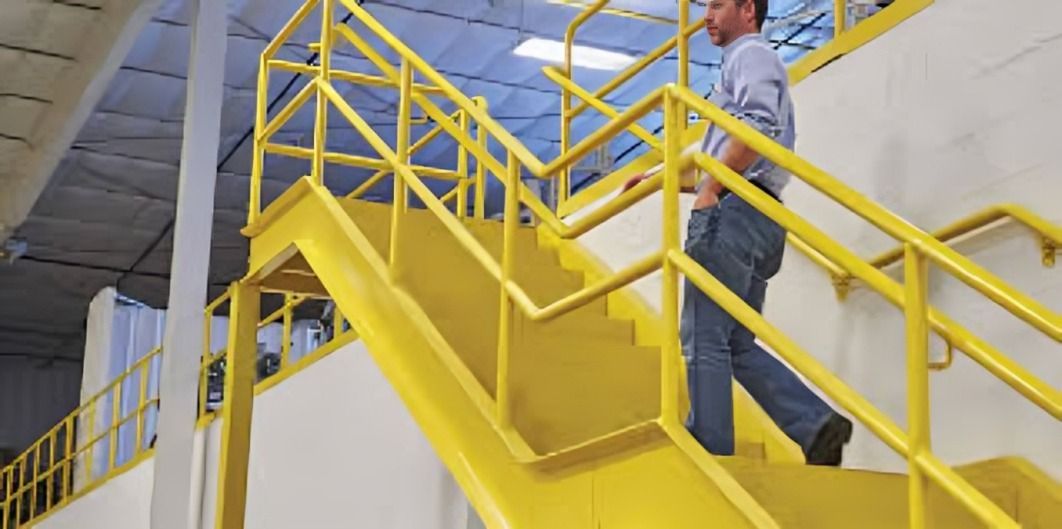
Handrail Height is a critical aspect of building design and safety. Standard guidelines, typically between 34 and 38 inches, ensure accessibility and accident prevention across various spaces. From residential staircases to industrial ramps, the correct handrail height provides essential support for users of all ages and abilities.
In addition to safety, handrail height influences the functionality and aesthetic appeal of a structure. Whether indoors or outdoors, adhering to established standards fosters both compliance and comfort. With evolving technology, adjustable handrails and dual-height designs now cater to diverse needs, enhancing inclusivity.
Understanding the importance of handrail height is key to creating spaces that are not only functional but also visually pleasing. By prioritizing proper measurements, builders and homeowners ensure safer environments that blend practicality with design innovation.


Regulatory Standards for Handrail Height
Regulatory standards for handrail heights differ by country, region, and building type, ensuring safety and consistency. Below are key guidelines widely adhered to across various regions:
International Building Code (IBC)
The IBC specifies handrails should be 34 to 38 inches (86 to 96 cm) above stair nosings. This range is ideal for most users and is widely adopted worldwide.
Americans with Disabilities Act (ADA)
For accessibility, the ADA mandates handrails be 34 to 38 inches high. This ensures usability for individuals with disabilities.
Occupational Safety and Health Administration (OSHA)
Primarily for industrial settings, OSHA requires handrails to be 30 to 37 inches high for workplace safety.
UK Building Regulations
In the UK, handrails on stairs must be 34 to 39 inches (86 to 100 cm) above stair nosings. For ramps, height requirements vary depending on the slope.
Factors Influencing Handrail Height
- User Demographics: The average height of users, including children and adults, plays a significant role in determining handrail placement for optimal comfort and safety.
- Building Type: Residential, commercial, and industrial structures follow different handrail height standards based on usage patterns and safety requirements.
- Accessibility Needs: Guidelines like the ADA prioritize the needs of individuals with disabilities, ensuring handrails are accessible and user-friendly.
How to Measure Handrail Height
- Starting Point: Begin from the stair nosing or ramp slope, as regulations specify measurements from these reference points.
- Consistent Height: Ensure measurements remain uniform along the entire length of the railing.
- Use a Reliable Tool: A measuring tape or laser measure ensures accuracy during installation.
Robbie Coltrane’s height matched his towering talent and charismatic presence


Common Mistakes to Avoid
- Ignoring Regulations: Failure to comply with local guidelines can lead to safety hazards and legal issues.
- Uneven Placement: Misaligned handrails can compromise both aesthetics and functionality.
- Overlooking Accessibility: Neglecting accessibility requirements may alienate certain users.
Benefits of Correct Handrail Height
- Enhanced Safety: Properly placed handrails reduce the risk of falls and injuries.
- Improved Accessibility: Ensures all users, including those with disabilities, can navigate stairs and ramps easily.
- Compliance Assurance: Adhering to standards avoids fines and ensures the structure is legally sound.
Special Considerations
- User-Specific Needs: Ensure the handrail height meets the requirements of children, elderly individuals, and people with disabilities for enhanced safety and usability.
- Building Purpose: Handrail heights may vary between residential, commercial, and industrial spaces depending on traffic and safety standards.
- Design Aesthetics: Maintain a balance between functionality and visual appeal to complement the overall building design.
- Material Choice: Select materials that match the environment, such as rust-resistant options for outdoor use or sleek finishes for interiors.
- Local Guidelines: Always verify local building codes to accommodate unique regional standards or climate factors.
Bradley Cooper’s height enhances his impressive presence as Hollywood star.
Adjustable Handrail Options
- Universal Accessibility: Adjustable handrails cater to the needs of users of varying heights and abilities.
- Customizable Features: Options like telescopic designs allow easy adjustment for different applications.
- Future Proofing: Adjustable handrails adapt to changing regulations or usage requirements over time.
- Enhanced Safety: They provide a reliable option for public spaces with diverse user groups.
- Ease of Maintenance: Modular designs simplify repair and replacement processes, extending their lifespan.
Handrail Height in Different Regions
- International Building Code (IBC): Recommends handrail heights of 34 to 38 inches for global consistency.
- UK Standards: Allow up to 39 inches, especially for ramps and specific building types.
- OSHA Regulations: Focus on industrial safety with a range of 30 to 37 inches.
- ADA Compliance: Requires handrails to be within 34 to 38 inches for universal accessibility.
- Regional Variations: Always consult local guidelines to accommodate climate and cultural preferences.
Maintenance of Handrails
- Routine Inspections: Check for loose fittings, rust, or wear to maintain safety and durability.
- Cleaning Protocols: Regular cleaning prevents the buildup of grime, keeping handrails hygienic and appealing.
- Protective Coatings: Use finishes like powder coating or varnish to protect against weather or heavy use.
- Timely Repairs: Address minor damages immediately to prevent larger issues or accidents.
- Upgrade Options: Replace outdated handrails with modern, adjustable designs for improved functionality.
Why Handrail Height Matters
- Safety Assurance: Proper handrail height minimizes accidents, particularly on stairs and slopes.
- Comfort for Users: An ergonomic height ensures ease of use for individuals of all sizes.
- Inclusive Design: Adhering to accessibility standards enables usage by people with diverse needs.
- Aesthetic Appeal: Well-placed handrails enhance the visual harmony of a building’s design.
- Regulatory Compliance: Meeting code requirements avoids fines and ensures project approval.
Fun Facts about Handrail Height
- Global Uniformity: Despite cultural differences, most countries agree on the ideal handrail height of 34 to 38 inches, promoting worldwide safety standards.
- Historical Roots: Handrails date back to ancient Greece and Rome, where they were crafted from stone and wood for temples and amphitheaters.
- Adjustable Innovations: Modern handrails can now be adjusted to suit users of varying heights, blending tradition with technology.
- Architectural Impact: A well-designed handrail can transform the look of a staircase, turning it into a centerpiece of design.
- Safety Science: Studies show that the optimal height for handrails significantly reduces stair-related injuries, especially in public spaces.
- Kid-Friendly Rails: Some buildings feature dual-height handrails to accommodate children and adults simultaneously, ensuring universal usability.
- Sustainability Trends: Eco-friendly handrails made from recycled materials are becoming popular in green building projects worldwide.
Handrail Height Video and Images
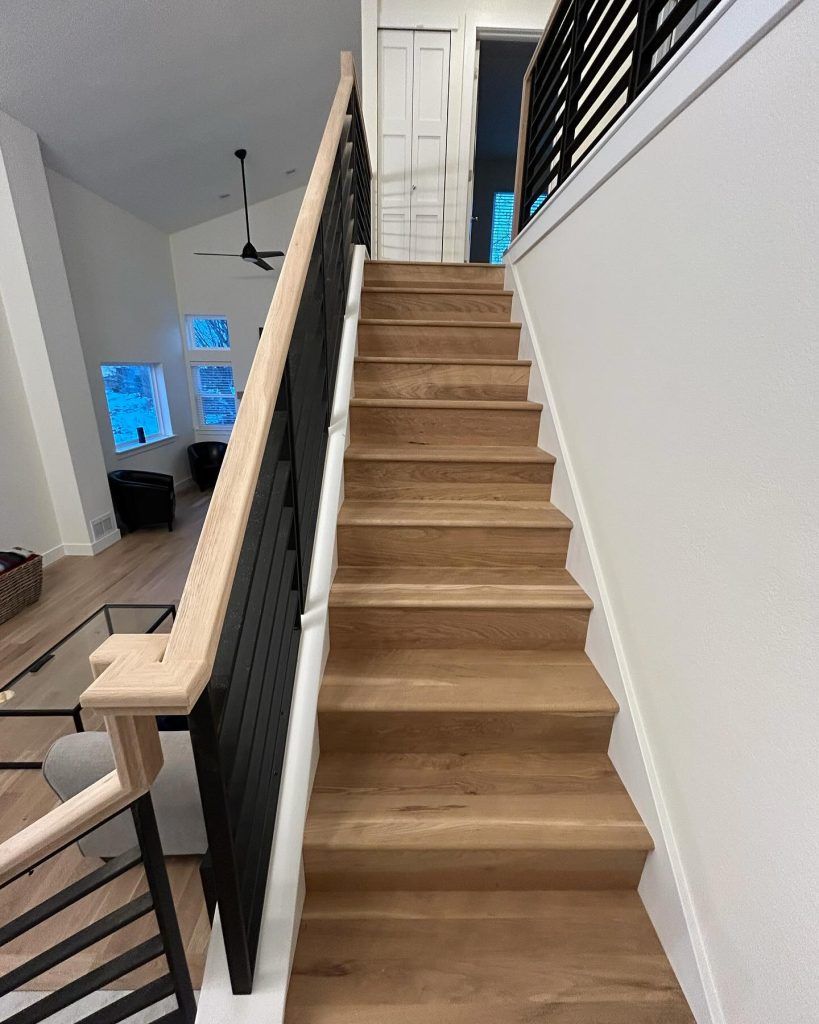

Frequently Asked Questions about Handrail Height
What is the standard height for handrails?
The standard height for handrails typically ranges between 34 to 38 inches, ensuring comfort and safety for most users.
Are handrail height regulations the same worldwide?
While many countries adopt similar guidelines, specific measurements may vary depending on regional building codes.
Why is handrail height important?
Proper handrail height ensures user safety, accessibility, and compliance with building regulations, reducing the risk of accidents.
Can handrails be adjustable?
Yes, adjustable handrails are available and ideal for accommodating varying user needs or evolving safety standards.
What happens if handrails are installed at the wrong height?
Incorrect installation can lead to safety hazards, legal penalties, and potential non-compliance with local building codes.
Do outdoor and indoor handrails have different height requirements?
Generally, the height standards are similar, but outdoor handrails may require additional weatherproofing and durability.
Are dual-height handrails common?
Dual-height handrails are becoming more popular in public spaces to cater to both children and adults.
Conclusion of Handrail Height
Handrail height plays a vital role in ensuring safety, comfort, and accessibility in any space. Adhering to the standard range of 34 to 38 inches promotes ease of use while minimizing the risk of accidents. Transitioning through diverse applications—from homes to industrial settings—handrail height guidelines adapt to meet unique needs and environments.
Moreover, the growing popularity of adjustable and dual-height handrails reflects an evolving focus on inclusivity and innovation. By maintaining proper height, structures comply with regulations and enhance their functionality and aesthetic appeal.
Ultimately, the importance of handrail height extends beyond technical measurements; it symbolizes a commitment to user safety and design excellence. Whether for a stairway, ramp, or balcony, the right handrail height ensures every step is supported securely and stylishly.


