

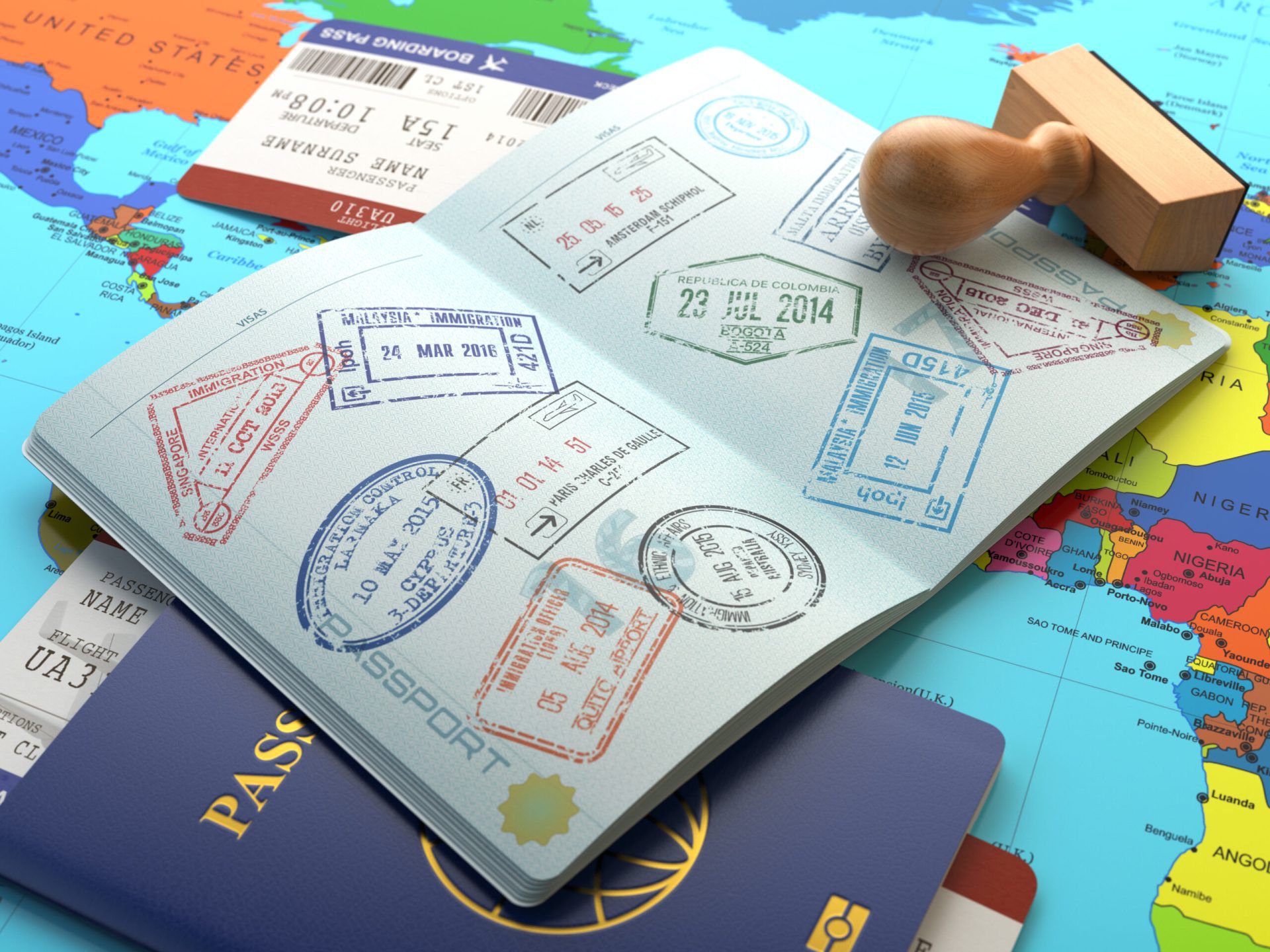
Living, working, or studying abroad opens new opportunities, but before you can start your journey, your U.S. documents must be legally recognized overseas. Every country follows its own rules for accepting foreign paperwork, and missing a single requirement can delay visas, job offers, or enrollment.
Using online apostille services helps ensure your records are properly authenticated and ready for international use. In this guide, you’ll learn what an apostille is, why it’s required, and how to get documents apostilled correctly so your apostille for international use meets every legal requirement before departure.
Why U.S. Citizens Need to Authenticate Documents for International Use
Before any U.S. document can be accepted abroad, it must be officially verified to prove its authenticity. The sections below explain when authentication is required, in which situations it’s typically requested, and what can happen if you try to use unauthenticated documents overseas.
When Foreign Governments Require Verified Documents
When using U.S. documents overseas, you must prove they are genuine. Foreign authorities won’t automatically trust a U.S. birth certificate, diploma, or background check without official authentication. Document verification — through apostille or legalization — ensures that foreign officials recognize the signatures and seals on your papers. Authentication protects governments, employers, and schools against fraud. It confirms that the document truly originates from an authorized American source. Verification is typically required any time your U.S. documents interact with a foreign legal system.
Common Situations — Work, Study, Marriage, Dual Citizenship, Immigration
Here are common cases where you’ll need an apostille for international use:
- Work abroad: Employers often demand an FBI background check apostille, or diploma authentication, before finalizing contracts.
- Study programs: Universities abroad may require an apostille for diplomas and transcripts.
- Marriage abroad: Couples registering a marriage outside the U.S. usually need a vital records apostille for birth and divorce certificates.
- Dual citizenship or immigration: Applicants must present authenticated civil records, criminal checks, and affidavits.
Each situation demands accuracy and timing to prevent rejections.
Consequences of Using Unauthenticated Documents Abroad
Submitting unauthenticated documents abroad can cause serious complications. Visa or residence permit applications may be rejected, and employment or university enrollment could be delayed for weeks or months. You might also face extra costs for resubmitting paperwork or obtaining new certifications. In some cases, authorities may even question the legitimacy of your documents, leading to legal disputes or canceled opportunities. Many applicants planning to study or work in the Netherlands encounter strict document requirements, as Dutch authorities rely heavily on verified and accurately authenticated paperwork. Because of this, proper legalization is essential to avoid delays in the Netherlands’ highly regulated immigration and administrative systems. Skipping proper authentication often means repeating the entire process — an expensive and time-consuming mistake that’s easy to avoid with careful preparation.
Apostille vs. Legalization — What’s the Difference?
People often confuse these two terms. Both validate your U.S. documents for use abroad, but they apply to different countries and follow distinct procedures. Below, we’ll examine their differences in detail.
What Is an Apostille and When Is It Needed
An apostille is a certification under the Hague Convention of 1961. It verifies the authenticity of a document’s signature and seal for use in any Hague-member country. This single step replaces lengthy embassy legalizations.
For instance, if you plan to work in France, Japan, or Mexico, your documents need an apostille — not further embassy stamps. The U.S. Department of State and state Secretaries of State are the issuing authorities, depending on the type of document.
What Is Consular Legalization
Consular legalization applies when your destination country isn’t part of the Hague Convention. After U.S. government certification, the document must go to that country’s embassy or consulate for a final verification stamp. This process involves several stages — federal or state certification, then embassy authentication — and can take weeks.
Countries that still require this procedure include China, the United Arab Emirates, Kuwait, Egypt, and Qatar. Each has its own embassy rules and processing timelines, so confirming requirements with the consulate before submitting your paperwork helps prevent unnecessary delays.
Hague vs. Non-Hague Countries Explained
In simple terms, countries that are part of the Hague Convention accept an apostille as a single, standardized form of authentication, which verifies the origin of a public document and makes it legally valid abroad. Non-Hague countries, on the other hand, require a multi-step legalization process that includes certification by U.S. authorities followed by embassy or consulate verification.
The apostille process is quicker and uniform across member nations, while legalization can vary in length and complexity depending on each country’s specific diplomatic requirements. Understanding which system applies ensures your documents are processed correctly and recognized without delays.
Documents That Commonly Require Apostille or Legalization
Almost every major life or career event abroad involves certified paperwork. Below are the most frequent document types needing authentication.
Vital Records
Birth, marriage, divorce, and death certificates fall under vital records apostille requirements. These documents are issued by state vital records offices and authenticated by the Secretary of State in the same jurisdiction. It’s important to submit certified copies rather than photocopies, as only certified versions carry official seals recognized for international use. Ensuring the document is current and properly signed prevents rejection during the apostille or legalization process.
FBI Background Checks and Other Federal Documents
Federal documents, such as FBI background checks or immigration records, are processed through the U.S. Department of State in Washington, D.C. An apostille certification for federal documents verifies that the FBI or another authorized federal agency legitimately issued your report. This verification step is essential for work, residency, or adoption cases abroad where authenticity is strictly reviewed. Applicants should confirm that their background check is recent, as many countries require it to be issued within the past six months.
Educational Diplomas and Transcripts
Academic credentials — including diplomas, transcripts, and degrees — are among the most frequently requested for international validation. Many foreign universities and employers need proof that these records are authentic before enrollment or employment. When submitting for authentication, request an apostille for diplomas from the state where the educational institution is registered. Some schools provide notarized or registrar-sealed copies designed specifically for apostille use, which can simplify the process and minimize rejection risks.
Power of Attorney, Business, and Personal Documents
Legal papers such as a power of attorney, company bylaws, contracts, or financial statements often require authentication to be valid abroad. These documents enable international transactions, property management, or representation overseas. If the paperwork is notarized privately, it must go through the state-level apostille process after proper notarization to ensure compliance. For company records or certifications issued by federal agencies, the U.S. Department of State handles the final authentication.
Preparing Your Documents for International Use
Before starting the apostille or legalization process, all documents must meet specific standards for format, certification, and validity. Let’s review the key steps below to ensure your paperwork complies with all requirements for international acceptance.
Obtain Certified Originals
Only official, certified originals or notarized true copies are eligible for authentication. If unsure, contact the issuing office to confirm the correct version and ensure it carries an official seal and signature. Submitting photocopies or unofficial documents almost always leads to rejection. It’s also wise to verify that the certification date is recent, as some foreign authorities may reject documents issued several years ago.
Ensure Proper Notarization
For documents signed by a notary public — such as affidavits, authorizations, or business statements — the notary’s commission, name, and signature must be clearly visible and valid. Incorrect or expired notarization remains one of the main reasons apostille requests are rejected. Confirm the notary’s credentials with the Secretary of State’s database before submission. If the notary’s seal is smudged or incomplete, the document should be re-notarized immediately to prevent processing delays.
Get Official Translation if Required
Many foreign authorities require certified translations of English-language documents before accepting them for legalization or apostille. Always check if the translation must occur before or after the authentication step, as different countries have varying rules. Using accredited translators ensures accuracy and compliance with consular standards. Poor translations or uncertified work can cause embassies to reject the file, forcing you to repeat the process and extend your timeline.
Check Country-Specific Requirements
Every country applies distinct regulations for document authentication and submission. Review embassy or consulate websites carefully to confirm each step before mailing your documents. Requirements can vary based on document type, purpose, and jurisdiction. Some countries demand double certification, while others need additional notary verification.
Start Early — Processing Times Vary
Authentication timelines depend heavily on the document type, issuing authority, and the number of steps involved. State-level apostilles usually take one to three weeks, federal certifications about four to six weeks, and consular legalizations anywhere from three to eight weeks. Delays are common during busy travel seasons, holidays, or government backlogs. Starting early prevents last-minute stress, giving you enough time to fix errors or handle special embassy requirements before your departure.
Keep Copies of All Documents
Before mailing any originals for authentication, make high-quality photocopies or digital scans. These copies are useful for visa applications, embassy communication, or your own records while the originals are being processed. Store them securely in both digital and physical formats. If originals are lost in transit, these copies simplify replacement procedures. Keeping organized records of every submission also helps track progress and confirm which documents were sent where.
Work with a Trusted Apostille Agency
For complex or time-sensitive cases, professional apostille agencies can manage the entire process from notarization to embassy legalization. Experienced providers understand official requirements and know how to minimize common rejections. They can also track progress and manage shipping logistics for both domestic and international destinations. Partnering with reliable apostille services reduces turnaround times, prevents documentation errors, and ensures your paperwork arrives correctly prepared for international use.
How to Apostille or Legalize U.S. Documents
The process varies depending on where your document originated. Federal, state, or private papers each follow a specific procedure. Knowing these distinctions early helps you avoid delays and ensures that each document goes through the proper verification steps before being accepted abroad. Below, you’ll find a clear breakdown of how to authenticate each type of U.S. document step by step.
Federal Documents — U.S. Department of State Process
For items like FBI reports, patents, or federal court judgments, the authentication process goes through federal channels rather than state offices. Start by preparing all materials in advance and reviewing the requirements outlined by the U.S. Department of State. Following the correct steps ensures that your records are properly certified and accepted by foreign authorities:
- Obtain the official document directly from the issuing agency.
- Complete Form DS-4194 for the U.S. Department of State.
- Mail it with fees and a return envelope to the Office of Authentications.
- Processing takes several weeks, so plan ahead or consider expediting assistance for apostilling documents.
State-Issued Documents — Secretary of State Offices
Documents such as birth certificates, marriage licenses, or educational records are handled at the state level, and each state maintains its own rules for apostille requests. Before applying, verify which office handles apostille requests and prepare any supporting forms or identification that might be required. Follow the next steps:
- Secure a certified copy from the appropriate state office.
- Verify it’s issued within the correct timeframe.
- Submit it to the Secretary of State with the apostille request form and fee.
Notarized or Private Documents — Preparation Steps
Notarized letters, consent forms, and business contracts must be properly notarized before authentication. After notarization, they can be sent for state-level apostille or embassy legalization, depending on the destination.
Using Apostille Services for Faster Processing
Specialized agencies help streamline these steps. They verify paperwork, check requirements, and deliver documents to the correct offices. Using apostille services reduces errors, cuts waiting times, and ensures that documents reach embassies or departments quickly.
Common Mistakes to Avoid
Document authentication mistakes can interrupt travel, education, or business plans abroad. Paying attention to a few critical details early prevents delays, rejections, and unnecessary expenses that often appear once applications are already in process. Below, you’ll find the most common errors people make during authentication — and how to avoid them to keep your international plans on track.
Submitting Copies Instead of Originals
Photocopies or scanned versions are rarely accepted. Always use certified originals or properly notarized true copies issued by the official office. Submitting the wrong version can cause automatic rejection, forcing you to start over and pay additional processing fees. When in doubt, confirm that the document carries a raised seal or an official signature recognizable by the issuing authority.
Applying an Apostille from the Wrong Authority
Submitting a federal document to a state office or vice versa will result in rejection. Confirm the issuing authority before sending your request. Each type of record follows its own chain of verification, and confusing jurisdictions is one of the most common reasons for lost time. Reviewing which agency issued your document ensures the apostille is attached by the correct office and recognized abroad.
Missing Notarization or Translation
Unsigned, unnotarized, or untranslated documents are invalid for an apostille. Ensure all seals, signatures, and translations are complete before mailing. Missing details often go unnoticed until the document reaches the final stage, where corrections can take weeks. Double-checking notarization and translation standards before submission helps maintain a continuous process with fewer interruptions.
Ignoring Country Legalization Rules
Some applicants overlook that not all nations accept apostilles. If your destination isn’t part of the Hague Convention, legalization through the embassy is required. Skipping this verification can make the document useless abroad, no matter how carefully it was prepared in the U.S. Reviewing embassy procedures ahead of time ensures your paperwork reaches its destination legally recognized and ready for official use.
Final Thoughts
Using U.S. documents abroad isn’t complicated once you understand the process. Knowing when and how to authenticate your papers helps you meet foreign legal standards and avoid setbacks. Before applying for jobs, schools, or visas, prepare your documents early and double-check requirements.
For those who prefer expert assistance, online apostille services like EZ Apostille offer a reliable way to manage every step — saving you time and ensuring accuracy. The key takeaway is simple: authenticity opens international doors. With properly verified documents, your next global chapter begins without unnecessary delays.
