



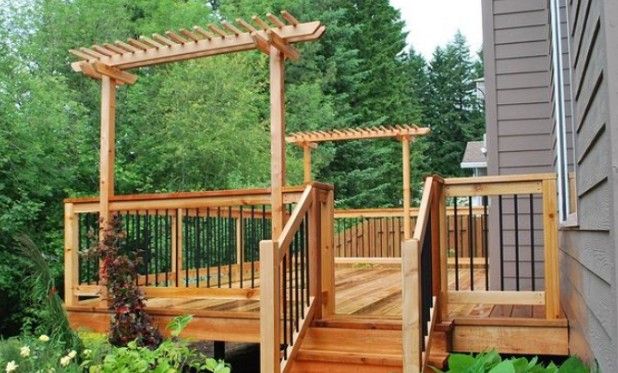
Wood surfaces around a home take a beating, and in Nashville the climate makes that worse. Hot, humid summers and damp winters cause untreated wood to warp, gray out, and eventually rot. A deck or fence that looked good five years ago can turn splintered and dull if it was never sealed properly. Staining is the step most homeowners underestimate, and it is usually the difference between a structure that lasts two decades and one that needs replacing in seven or eight years.
Staining does two jobs at once. It adds color, and it seals the wood against moisture and UV damage. Paint sits on top of the surface and tends to peel; stain soaks in and protects from the inside. For decks and fences that are outdoors year-round, that penetration matters. It keeps water from getting into the grain, which is what causes the cracking and cupping that ruins older boards.
Timing affects the result more than most people expect. Wood that is too wet will not absorb stain evenly, and wood exposed to direct sun during application dries too fast and leaves lap marks. Spring and early fall are the safest windows in Middle Tennessee, when temperatures are moderate and rain is less frequent. New pressure-treated lumber also needs time to dry out before it will take stain at all, sometimes several weeks.
Preparation is where a lot of DIY jobs go wrong. A surface has to be cleaned, stripped of old finish if there is any, and sometimes sanded before new stain goes on. Skipping the cleaning step traps dirt and mildew under the finish, and it will show. On older decks, popped nails and loose boards should be fixed first, since staining over a failing surface only hides problems for a season.
There is also a real difference between deck staining and fence staining, even though the product can be similar. Decks are walked on, so the finish has to resist foot traffic and standing water on horizontal boards. Fences are vertical and shed water more easily but cover far more square footage, which makes labor and coverage the bigger factors. A company that handles both will price and approach them differently.
Choosing a color and opacity is worth some thought. Transparent and semi-transparent stains show the wood grain and need reapplication more often. Solid stains last longer and hide age but look closer to paint. Homeowners who want the natural look have to accept a shorter maintenance cycle, usually every two to three years, while solid finishes can stretch further.
Cost depends on size, the condition of the existing wood, and how much prep is involved. A small fence in good shape is a straightforward job. A large deck that has been neglected for years, with stripping and repairs, costs more and takes longer. Getting a proper on-site estimate is more reliable than any online calculator, since the wood’s condition is the variable that changes everything.
For homeowners who would rather not spend a weekend on their knees with a brush, professional fence and deck staining nashville services handle the cleaning, prep, and application as one job and stand behind the finish. It is the practical route for larger projects or wood that has already started to show wear, and it usually pays off in how much longer the structure lasts.


