

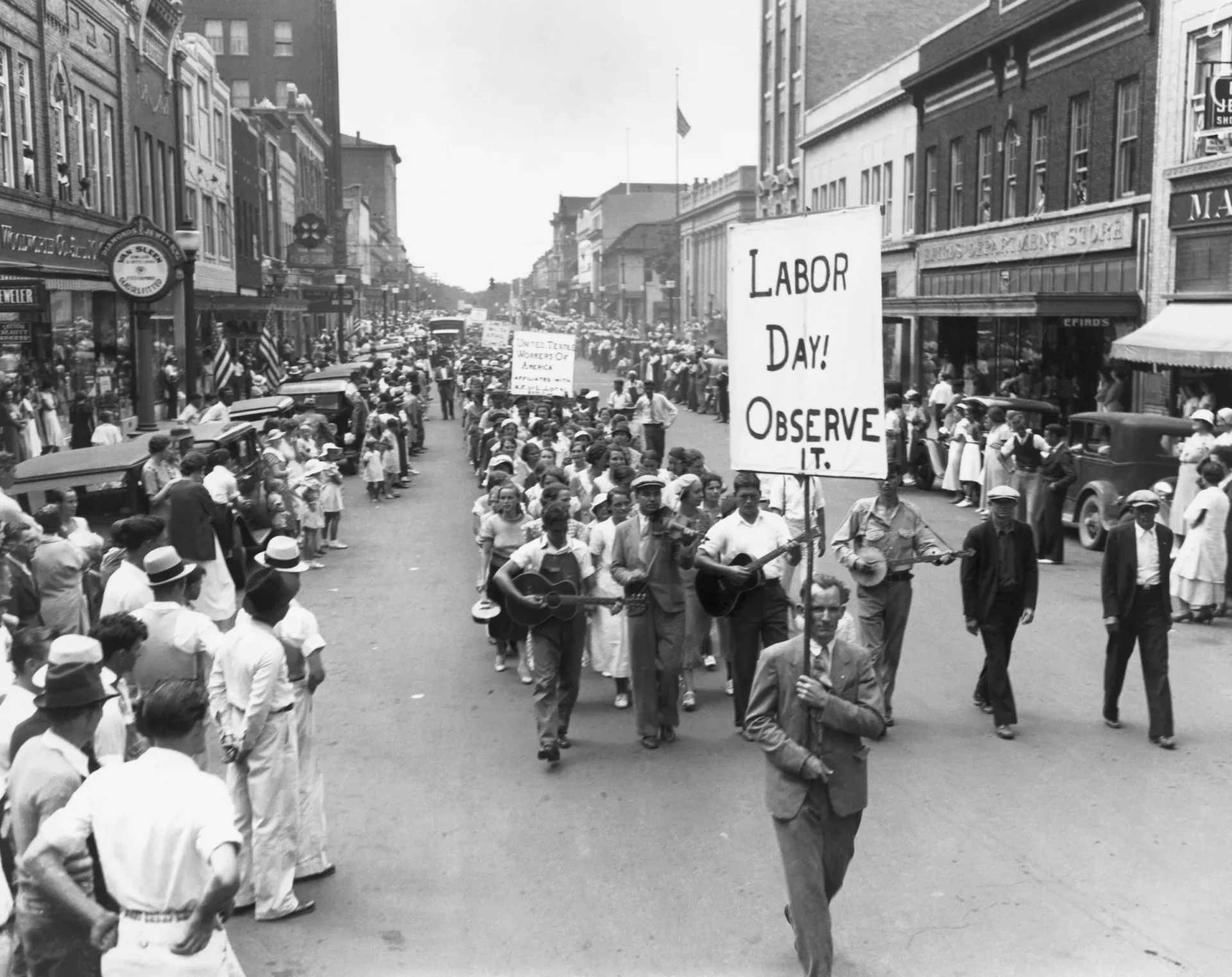
Canadian labour unions have played, and continue to play, a crucial role in shaping the country’s workforce.
They are the largest worker-controlled, democratically governed organisations in Canada.
From their earliest days, when workers organised to resist unsafe working conditions and unfair wages, to the pivotal role they play today, advocating for equity and dignity in the workplace, unions are a powerful force for change.
Below are five ways Canadian Labour Unions have reshaped the workforce and employment landscapes:
- Securing Fair Wages
One of the most impactful achievements of Canadian labour unions has been their success in securing a fair and living wage for employees.
Historically, wages across most industries were set unilaterally by employers, typically resulting in compensation that was unfairly low and did not accurately reflect the value of the work.
Unions changed this dynamic entirely by introducing collective bargaining, where wages are negotiated on behalf of all members.
These collective agreements not only impact basic wages, but overtime pay, shift allowances, and other adjustments.
- Establishing Safety Standards
In the early days of Canadian industrialisation, many workers faced perilous conditions in the workplace, including inadequate ventilation and few protective measures.
Workplace accidents were an all too common occurrence because employers prioritized productivity over employee safety and well-being. It was this unacceptable working environment that pushed workers to demand change.
Through the power of collective bargaining, unions advocated for safety standards and protective working gear. This ultimately resulted in unions lobbying the government for stronger labour laws regarding workplace health and safety, and mandated protective equipment.
- Expanding Workers’ Rights
Labour unions are at the forefront of improving workers’ rights in Canada.
Through collective bargaining, negotiations, and organized strikes, unions, such as Teamsters labour union, have advocated for (and achieved) higher pay, more paid time off, and even extended pension and healthcare coverage for their members.
These benchmarks compel non-unionized employers to standardize and improve the rights of their own workers to stay competitive.
- Strengthening The Canadian Social Framework
Canadian labour unions have transformed Canada’s labour market.
Their influence extends beyond individual sectors and industries with game-changing results that have led to the social policies that enable a more equitable labour system.
Unions consistently champion causes outside of working conditions, including improvements in parental leave and other social programs that benefit all Canadians – unionised or not.
Their impact has left a lasting legacy on employment culture and Canadian labour laws.
- Championing Work-Life Balance
Achieving a work-life balance is crucial because it impacts health, productivity, and quality of life.
With modern demands from family and work on the rise, achieving a balance ensures that workers can meet professional goals without sacrificing their well-being. Balanced employees are more engaged and energetic, boosting productivity and reducing employee turnover.
Canadian labour unions have been instrumental in shaping an overarching culture that values balance. One of the most significant contributions was their role in fighting for a forty-hour workweek, giving employees time to rest and recharge.
In Conclusion
Canadian labour unions have, and will continue, to pave the way for improving conditions for all workers.
What began as a handful of workers uniting to fight for better and safer conditions has evolved into a national movement that has permanently changed how workers are valued.
