



Jyoti Nooran, one half of the globally celebrated Nooran Sisters, was born and raised in a Muslim Sufi household in Punjab, India.
Her family belongs to a multi-generational lineage of Sufi musicians from the Sham Chaurasia gharana, and her devotional singing draws directly from that Sufi Islamic tradition — even though her music is widely embraced across Hindu, Sikh, and Muslim audiences alike.
If you’ve heard her powerful renditions of “Allah Hoo” or “Patakha Guddi” and wondered what Jyoti Nooran Religion, this guide breaks down her family background, religious roots, and why her Sufi identity matters to her music career.
Quick Facts: Jyoti Nooran
| Detail | Information |
|---|---|
| Full Name | Jyoti Nooran |
| Date of Birth | February 24, 1994 |
| Birthplace | Phillaur, Jalandhar district, Punjab, India |
| Religion | Islam (Sufi tradition) |
| Musical Gharana | Sham Chaurasia gharana |
| Ethnicity | Punjabi |
| Profession | Sufi playback singer |
| Known As | One half of the “Nooran Sisters” duo |
| Sister | Sultana Nooran (born June 14, 1992) |
| Father | Ustad Gulshan Mir (Gulshan Meer), Sufi singer |
| Great-Grandmother | Bibi Nooran, legendary Punjabi Sufi folk singer |
| Grandfather | Swarn Nooran |
| Famous Songs | “Allah Hoo,” “Patakha Guddi,” “Tung Tung,” “Paon Ki Jutti” |
| Notable Films | Highway, Sultan, Dangal, Mirzya |
| Current Base | Mumbai, Maharashtra |
Is Jyoti Nooran Muslim?


Yes. Jyoti Nooran was born into a Punjabi Muslim family with deep roots in Sufi devotional music. Her father, Ustad Gulshan Mir, is a respected Sufi singer, and her great-grandmother, Bibi Nooran, was one of Punjab’s most revered Sufi folk vocalists.
The family’s religious and musical identity are deeply intertwined, since Sufi singing is itself a form of Islamic spiritual devotion.
The Sufi Musical Heritage Behind Her Faith
Sufism is a mystical branch of Islam that emphasizes direct, personal experience of the divine — often expressed through poetry, chanting, and music rather than formal ritual alone.
Jyoti’s family has practiced this tradition for generations as part of the Sham Chaurasia gharana, a classical music lineage historically associated with Sufi and Islamic devotional performance in Punjab.
- Great-grandmother Bibi Nooran was among the most well-known Sufi folk singers of her era.
- Grandfather Swarn Nooran carried the musical and spiritual lineage forward.
- Father Ustad Gulshan Mir trained Jyoti and her sister Sultana from around age five, teaching them Sufi kalams (devotional verses) instead of formal schooling, due to the family’s financial circumstances.
This lineage explains why religion and profession are not separate for Jyoti — singing Sufi kalam is, for her family, an act of worship as much as a career.
Why Her Religion Rarely Comes Up in Casual Conversation


Sufi music is intentionally inclusive and cross-devotional. Songs like “Allah Hoo” invoke Islamic spiritual themes, but Sufi poets such as Bulleh Shah — whose verses the sisters grew up singing — are revered across Punjab regardless of listeners’ own religion.
This is a key reason fans searching “Jyoti Nooran religion” are often surprised: her music resonates in Hindu, Sikh, and Muslim spaces alike, even though her personal faith and family lineage are rooted specifically in Islam.
| Element | Religious Association | Audience Reach |
|---|---|---|
| Sufi Kalam (e.g., Bulleh Shah verses) | Islamic mystical poetry | Cross-religious, Punjab-wide |
| “Allah Hoo” | Islamic devotional chant | Global, cross-faith fanbase |
| Sham Chaurasia Gharana | Islamic classical music lineage | Indian classical & Bollywood audiences |
| Bollywood playback work | Secular film industry | Pan-Indian, international |
Family Background and Upbringing
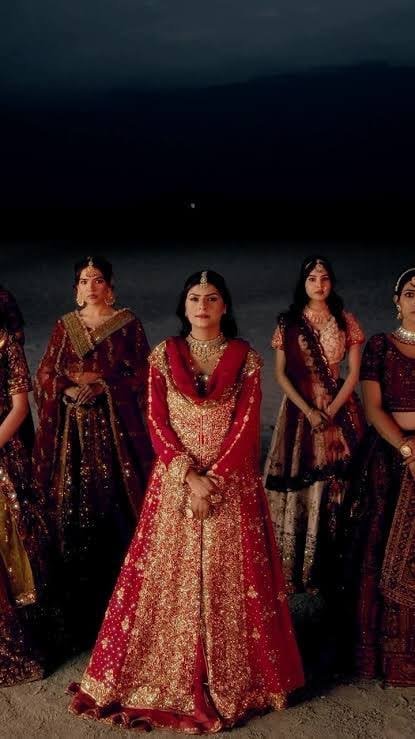

Jyoti Nooran was born on February 24, 1994, in Phillaur, Jalandhar district, Punjab, to a family devoted to Sufi music. Because of financial hardship, she did not receive formal elementary schooling; instead, her entire early education centered on classical and Sufi vocal training under her father.
She and her elder sister, Sultana Nooran, first revealed their talent as young children when they spontaneously sang a Bulleh Shah kalam at home, prompting their father to begin formal training. That moment marked the beginning of what became the Nooran Sisters.
Career Built on Sufi Devotional Roots
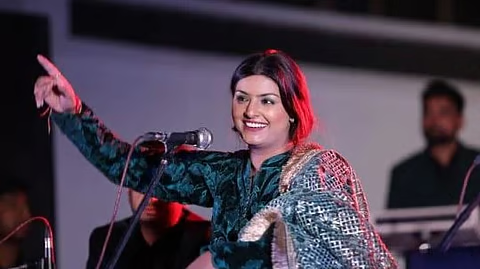

The Nooran Sisters gained national attention with their 2012 Coke Studio performance of “Allah Hoo,” a track deeply rooted in Islamic devotional tradition. Their subsequent Bollywood work — including “Patakha Guddi” (Highway), and songs for Sultan, Dangal, and Mirzya — brought Sufi vocal styling into mainstream Indian cinema, while their roots remained firmly in Punjab’s Sufi musical heritage.
Frequently Asked Questions (FAQs)
1. What religion is Jyoti Nooran?
She was born into a Muslim family with a multi-generational Sufi musical background.
2. Is Jyoti Nooran Sikh or Hindu?
No. She comes from a Punjabi Muslim Sufi family, though her music is embraced widely by Sikh and Hindu audiences as well.
3. What is a Sufi singer?
A Sufi singer performs devotional music rooted in Sufism, a mystical tradition within Islam that expresses spiritual devotion through poetry and song.
4. Who taught Jyoti Nooran to sing?
Her father, Ustad Gulshan Mir, a respected Sufi singer, trained her from around age five.
5. What gharana does Jyoti Nooran belong to?
She belongs to the Sham Chaurasia gharana, a classical music lineage from Jalandhar, Punjab.
6. Was Jyoti Nooran formally educated?
No, due to financial hardship she did not attend formal elementary school; her education was entirely musical training.
7. Who is Bibi Nooran?
Bibi Nooran was Jyoti’s great-grandmother, a legendary Punjabi Sufi folk singer whose legacy inspired the sisters’ stage name.
8. Is “Nooran Sisters” their real surname?
The name reflects their family’s Sufi musical heritage tied to Bibi Nooran, rather than a conventional surname.
9. What is Jyoti Nooran’s most famous song?
“Allah Hoo,” performed on Coke Studio, remains one of her most recognized devotional performances.
10. Does Jyoti Nooran only sing religious songs?
No. While her roots are in Sufi devotional music, she has also recorded mainstream Bollywood tracks and Punjabi pop songs like “Paon Ki Jutti.”
11. Where is Jyoti Nooran from?
She was born in Phillaur, Jalandhar district, Punjab, India.
12. Does her religion affect her music’s popularity?
Not negatively — Sufi music’s spiritual and poetic themes have historically transcended religious boundaries, helping her reach a broad, multi-faith audience.
13. Is Jyoti Nooran married?
Yes, she married Kunal Passi in 2014, a union that was initially contested by her family due to her age at the time.
14. Who is Sultana Nooran?
Sultana Nooran is Jyoti’s elder sister and singing partner, born June 14, 1992, together forming the Nooran Sisters duo.
15. Why is Sufi music associated with multiple religions in Punjab?
Sufi poetry from figures like Bulleh Shah emphasizes universal spiritual themes, which is why it’s embraced across Punjab’s Hindu, Sikh, and Muslim communities despite its Islamic origins.
Conclusion
Jyoti Nooran’s religion is rooted in Islam through her family’s Sufi musical tradition, passed down from her great-grandmother Bibi Nooran through her father, Ustad Gulshan Mir.
While her faith shapes the devotional core of her music, the universal, poetic nature of Sufi kalam has allowed her artistry to connect with listeners across every religious background in India and beyond.


