



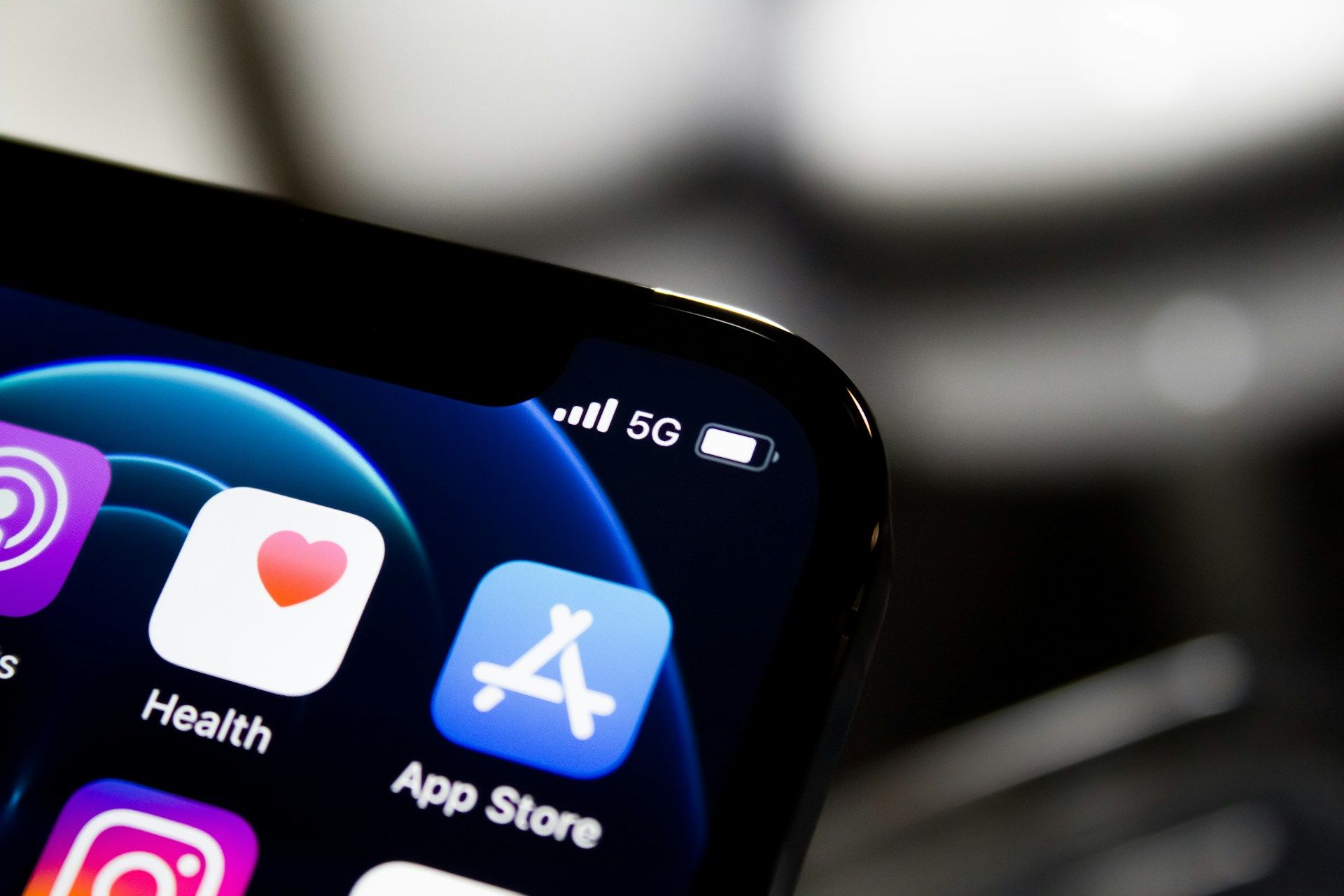
Picture this. You’re sitting at a live dealer blackjack table on your phone, the cards are being dealt, and you need to hit or stand in seconds. You tap the screen. Nothing happens. A brief freeze, maybe a stutter in the video feed, and suddenly the round has moved on without you. That moment of lag just cost you a hand.
It sounds small. But in high-stakes casino play, that kind of delay changes everything.
The Latency Problem Nobody Talks About
When we talk about “lag” in online casinos, we’re really talking about latency, the time it takes for your action to reach the server and for the result to come back to your screen. On older 4G networks, that round trip usually landed between 30 and 70 milliseconds. That might seem trivial, but in a live dealer environment where real cards are being flipped in real time, even a slight delay breaks the rhythm.
Think about live roulette. The wheel is spinning, bets are closing, and if your connection hiccups for half a second, your chip placement doesn’t register. Or consider crash-style games, where cashing out a split second too late means you lose everything. These aren’t hypothetical frustrations. They’re the daily reality for players dealing with inconsistent mobile connections.
So What Does 5G Actually Change?
5G isn’t just a faster version of 4G. It’s a fundamentally different network architecture. Under strong standalone deployments, 5G can push latency down into single-digit millisecond territory. That’s a massive leap. Your decisions at the table register almost instantly. The dealer’s video stream stays crisp. Card animations and chip placements sync perfectly with what’s happening on the studio floor.
But raw speed is only part of the story. Two other pieces of the 5G puzzle deserve attention.
First, there’s edge computing. Traditional mobile networks route your data through centralized servers that might be hundreds of miles away. Every mile adds delay. With Multi-Access Edge Computing, processing happens at nodes much closer to you. Think of it like handing a note to someone standing right next to you instead of mailing a letter across the country. Game logic, bet confirmation, and visual rendering all happen with minimal lag.
Second, network slicing. This feature lets operators carve out dedicated virtual networks within the same physical infrastructure. So your live casino session isn’t competing for bandwidth with someone next door streaming a movie. It gets its own protected lane, keeping performance steady even during peak traffic. You can see this kind of responsiveness on newer regulated platforms. Betinia Casino NJ, for example, hosts live dealer tables powered by Evolution Gaming alongside thousands of slots and table games, and that real-time experience simply falls apart without the consistency that 5G-grade connectivity provides.
Why Live Casino Made This Urgent
Live dealer gaming used to be a niche feature. Now it’s a core pillar of the online casino experience. Players expect to sit at a real table with a real dealer, chat with other players, and make split-second decisions, all through their phone screen. That’s an enormous amount of data flowing back and forth every second.
HD video streaming alone demands stable, high-bandwidth connections. Layer on interactive controls, real-time chat, and rapid bet confirmation, and you’ve got a use case that punishes any network weakness. A frozen frame during a baccarat squeeze isn’t just inconvenient. It ruins the entire point of playing live.
What This Means for Players
Connection quality isn’t just a technical detail anymore. It’s part of the product. Online casinos are building their mobile experiences around the assumption that users expect real-time responsiveness. Smooth live streams, instant bet confirmations, and reliable payment processing are the baseline now, not bonus features.
Smoother connectivity also opens the door to better personalization. Casinos can analyze player behavior in real time and adjust recommendations on the fly. That means more relevant game suggestions, smarter bonus triggers, and a session that actually feels tailored to how you play.
The Bigger Picture
We’re past the point where 5G is a marketing buzzword for telecom companies. For online casino players, it’s infrastructure. It’s the reason a live blackjack hand feels as smooth on your phone as it would sitting at a real table. It’s why a crash game can process your cashout in the exact millisecond you tap the button.
The real shift isn’t just about speed. It’s about trust. When you make a move and the system responds instantly, confirming your action at the moment you intended it, that builds confidence. And confidence keeps players coming back.
So the next time a live dealer session feels perfectly seamless on your phone, remember there’s an entire network architecture working behind the scenes. That’s 5G doing its job.


