

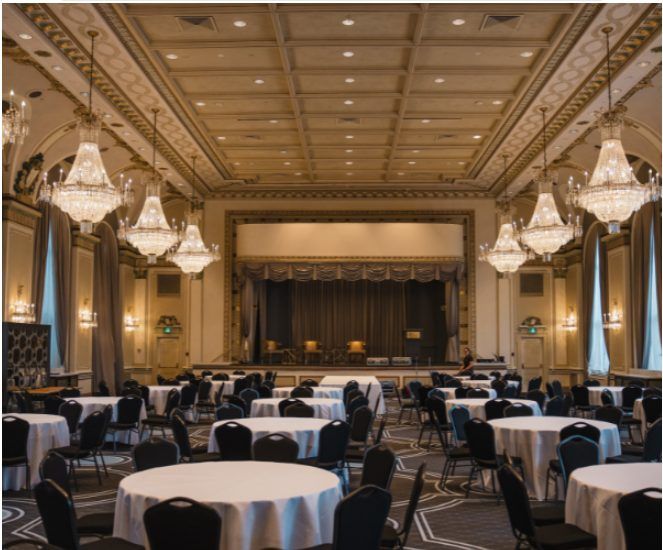
Ambiance, according to standard definition and experience combined in the competitive food and hospitality industry, is almost as important as the menu itself. As is “`the drop”`. Thus, another hugely powerful but often neglected component of ambience is restaurant lighting design. Lighting does more than illuminate the space; it sets the mood, emphasizes architectural features, influences customer behavior (E), and supports brand identity. Cozy café, fine dining, or a fast-casual spot, choosing the right lighting strategy can change and change the whole dining experience a lot.
This article will delve into practical and creative lighting ideas for restaurant interiors and ways of enhancing the total experience of customers. We shall explore the main points and principles around the effective lighting of restaurants and how modern lighting solutions can strategically bring out design features that could make your restaurant shine brighter.
Why Restaurant Lighting Design Matters?
Lighting directly affects how guests perceive space in the restaurant. Dim, warm lighting can welcome and reinforce the intimate and relaxed atmosphere created in the space, while brighter, cooler lighting can energize and hasten turnover. Poor lighting could make even great food look unappealing.
This is the relevance of lighting:
- Food presentation is enhanced, and color accuracy is improved
- It sets the emotional tone of the dining experience
- Supports brand personality and theme
- It improves customer comfort as well as visibility.
Visual lighting accents such as custom neon signs are often used to strengthen branding, create focal points, and improve the overall dining atmosphere without overpowering the main lighting scheme.
Layered Lighting: The Backbone to Great Design
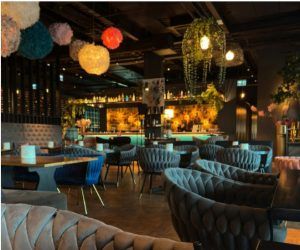
One of the most important principles in restaurant lighting design is layering; rather than using a single light source, designers combine multiple lighting layers to create depth, flexibility, and the making of a room.
1. Ambient Lighting
Ambient lighting gives the overarching-lighting effect. It helps the guest and staff move around with ease. The light can be supplied by ceiling-mounted fixtures, recessed lights, or indirect cove lighting.
2. Task Lighting
Task lighting is a must in spaces where clarity becomes a matter of great importance, such as:
- Kitchen and prep zones
- Bars and counters
- Host stations
Pendant lights over bars or focused lighting over prep areas can increase productivity without overpowering the ambiance.
3. Accent Lighting
Highlighting architectural features, artwork, or special décor elements is what accent lighting is about. And with all the extra punch it delivers, wall lighting even gives the very basic appearance of a wall. One can also mention wall washers, spotlights, and LED strips, which not only accentuate but also provide visual interest.
Multiple illuminates just don’t illuminate: they customize the acceptable lighting effect market for a variety of smashing decorative outcomes when they are used together. Bright illumination lets you reset the tone of brightness in the presence of the very lightest lift of intensity. That’s besides the spirit renewal and such.
Choosing the right lighting for your restaurant type
Not all restaurants are alike in their need for good lighting. Your restaurant-hall lighting ideas must encompass your establishment’s concept and the patronage that you aim to attract.
Fine Dining Restaurants
Fine dining places usually want to establish an atmosphere of intimacy and sophistication with low-light levels. The elegance-factor of wall sconces, table lamps, and chandeliers would be used in accenting the dramatic effect while diverting attention from the guests.
Casual and Family Style Restaurants
Even and hospitable lighting for these particular venues works well. Bright-light fluorescents and bare fluorescents will offer a welcoming and warm appearance that this type of clientele looks for.
Cafés and Coffee Shops
When it comes to café establishments, all of the natural lighting with its alluring beauty is accompanied by some artificial light. Big miraculous windows, cozy pendants, and discreet accent lights generate an ambiance fit for lengthy social soirees.
Bars and Lounges
Bars always pretend to be ruthless and have to rest on dramatic lighting. Such as color-changing LEDs, under-counter lights, et cetera, all the better: anything that is just simply outlandish.
Branded Identity Using Illuminations
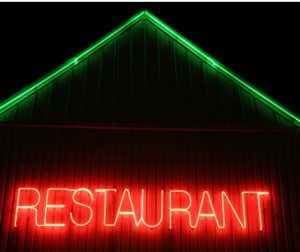
Lighting serves more than one functional purpose; it serves branding. Unique fixtures and signage can make your visual emblem of sorts for guests to be memorized for photos.
For example, neon lights are a passé, on-trend example of immersive light environments’ new vocabulary. These lighted designs can be both used both as aesthetics and, significantly, as brand statements reiterating the restaurant’s themes, slogans, or logos into the neon radiance that screams to stand out in photos and social media posts.
The existing choices of decorative lighting are neon or LED signs, statement chandeliers, artistic pendant lights, and backlit wall features. These aid restaurants this way or that in asserting their identity within the overly competitive market.
Decorative Lighting as Brand Equity
Light, moreover, is not just functional: it is a brand-building asset. Unique fixtures and signage can become visual signatures that guests remember and photograph.
Take, for example, the modern restaurant lighting design, where are gaining momentum. They serve as décor and statements about the brand; they reiterate the themes, slogans, or logos and set such a vibrant glow that certainly clicks in pictures and social media postings.
Options for decorative lighting include:
- Neon or LED signage
- Statement chandeliers
- Artistic pendant lights
- Backlit wall features
These elements are differentiating factors in today’s most crowded markets.
Color Temperature and Its Buildup of Moods
Color temperature plays a crucial role in the overall ambiance of any restaurant. Color temperature is measured in Kelvin (K), and it is related to the color of light, which either makes it appear warm or makes it appear cool.
- Warm light (2700K–3000K): Cozy, cozy, and inviting—ideal for dining areas
- Neutral light (3500K–4000K): Balanced, but not too vivid or exciting, and quite proper for informal restaurants
- Cool light (5000K) and more: The experiences of the type happen to be bright and very stimulating, presumably most suited to kitchen or prep areas
Typically composed using several color temperatures existing in various zones to lay down an optimal setting that combines aesthetics and application.
Energy-saving Lighting Solutions
Modern design tends to prefer sustainable and cost-efficient lighting for the dining out experience. Here for the long run, due to less power consumption and a longer life span, LED lighting has preoccupied the field.
Benefits of LED lights include:
- Reduced power bills
- No throwing of excess heat
- Available in many colors and various levels of brightness,
- Compatible with smart controls and dimmers
Using dimmable LEDs, an establishment may also adjust the mood or setting of one by merely altering the light levels rather than going through the trouble of completely redoing fixtures!
Flexible smart lighting controls
The world of smart lighting systems is revolutionizing restaurant lighting. It is programmed to cater for restaurant owners: brightness and color based on the time of day_. _In this way, they can develop preset lighting scenes for certain events_. _
To a very large extent, this also helps in fuel economy during off-peak hours. The outcome is a system that maintains the correct lighting levels throughout the day and night, helping boost staff efficiency.
Flexible smart lighting controls
Flexible smart light controls are impacting restaurant lighting. It is programmed to cater for restaurant owners with either color tuning and/or full-color lighting for a specific use: _brightness and color based on the time of day.
In this way, they can develop preset lighting scenes for certain events. To a very large extent, this also helps in fuel economy during off-peak hours. The outcome is a system that keeps the right lighting levels throughout the day and night, in the ultimate interest of employee productivity_.
Keeping the architecture and interior through Lighting
Lighting throws light on architectural details that may not get noticed otherwise. Exposed brick walls, wooden beams, textured ceilings, and unique layouts all benefit from proper placement of lighting.
Techniques involved are: Grazing light on walls in the foreground; Uplighting to extend the ceiling height, and Lighting under the floor or bar to create depth.
This small maneuvering of light adds depth and a grandiose splendor to the interior design of a restaurant.
Outdoor and Exterior Lighting
Outdoor lighting is of great significance compared to indoor lighting. It creates more than just the very first impression; it pulls customers in.
Outdoor restaurant lighting has a particular style to serve as an idea from which one can base their restaurant’s design:
- Clearly visible, warm-toned entrance lights.
- Signage and logos that are well illuminated.
- String lights or lantern lights on the patio above outdoor seating.
- A well-lit exterior offers curb appeal as well as the desire for night lights.
Common Lighting Mistakes
When you have good intentions, but your lighting design just goes terribly wrong, avoid making these mistakes:
- Bright dining areas that are very harshly clinical
- Uneven light creates exaggerated lines across the dining spaces
- Dazzled by the glare over the table and menus
- Using the same light color throughout all areas
Professional design and pre-planning are essential to avoid these mistakes and allow all characteristics to be played out perfectly.
Conclusion
Restaurant lighting design doesn’t just involve putting light fixtures that are appealing. With art, science, and psychology as main players, it’s all about creating a certain ambiance and sensory experience that eventually goes on to mold one’s memories of said restaurant. The right combination of ambient, task, accent, and decorative elements can open a whole new world of energy-savings and space-design possibilities in any restaurant.
Therefore, it would be wise to embrace any of these restaurant lighting ideas for modern restaurants. This will bode well toward a more intimate setting that will feed sustaining memories, boost loyalty, and keep the lights on.
