

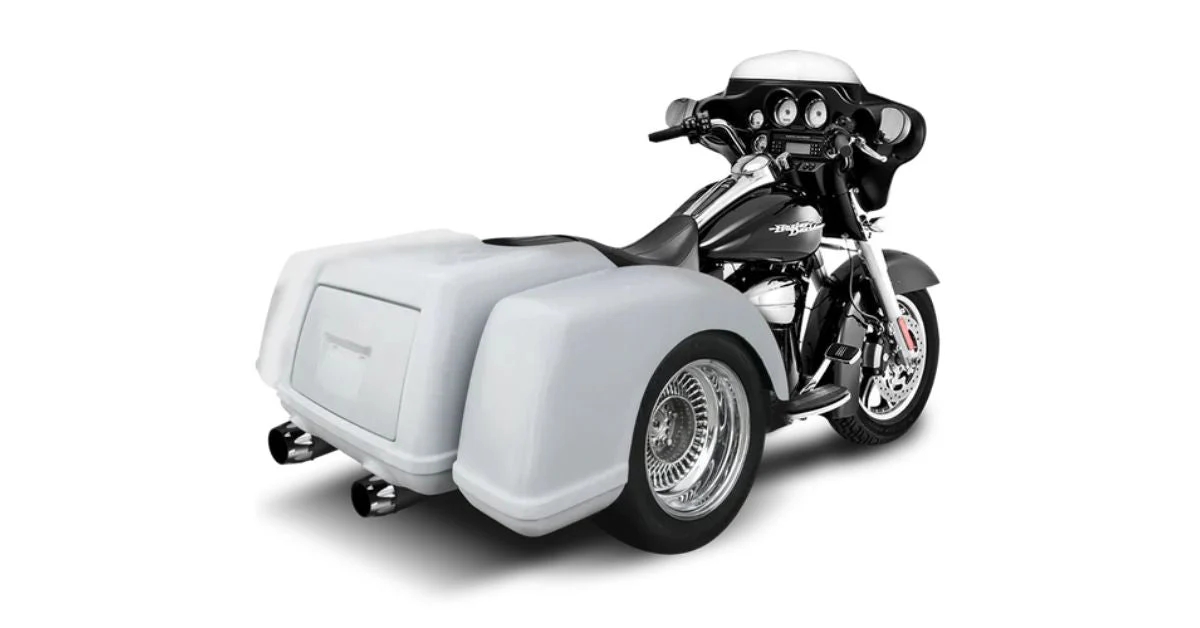
The decisions he/she makes when selecting motorcycle components will affect performance and safety. This is a common dilemma for riders: original equipment manufacturer (OEM) versus aftermarket parts. Knowing what differentiates them makes it easier for anyone to decide whether to maintain or upgrade.
Definition of OEM Parts
You can find genuine performance upgrades and replacements with Yamaha motorcycle parts designed for reliability and racing applications. OEM parts refer to parts made by the same company that builds the motorcycle. These parts correspond to the specifications described in the earliest years of construction. The two biggest benefits of choosing this option are consistency and compatibility. However, only a smooth fit and a predictable function will suffice for riders.
Definition of Aftermarket Parts
In contrast, aftermarket parts are produced by a third-party manufacturer. These alternatives might include distinctive modifications or materials that, at times, actually enhance the original idea. There are many options that give buyers the freedom to choose components that meet their specific needs. Aftermarket options are a big hit for many who love to customize or upgrade their vehicles.
Quality Comparison
OEM components are typically manufactured to high-quality standards. They are extensively tested before approval and meet the manufacturer’s exact requirements. This means you can almost always expect reliability and performance to be consistent across the board. Aftermarket pieces, on the other hand, range from excellent to crappy. While some deliver strong performance or durability, others fall short. Careful selection and research are crucial for third-party components.
Cost Differences
For many cyclists, price is still a significant factor. Because of the brand trust and assured compatibility, original equipment manufacturer parts are usually more costly. Aftermarket options are typically more affordable. But a lower price also comes with a compromise on fit or durability. Before making a choice, buyers must evaluate both initial expense and long-term value.
Availability and Range of Choices
OEM components can sometimes be difficult to source, especially for older models. Suppliers can dictate the speed at which parts get to the end user. On the other hand, aftermarket providers generally offer a wider variety of items and are easier to find. Those seeking specific enhancements or modifications may find more suitable solutions from third-party suppliers.
Warranty and Support
OEM parts generally carry a warranty backed by the motorcycle manufacturer. This reassures those seeking reliable service. Troubleshooting is usually quick and easy when a problem occurs. Warranties may also be offered for aftermarket parts, though policies can vary significantly. However, in most cases, warranty availability depends on the supplier.
Performance and Customization
OEM components retain factory performance levels, whereas aftermarket pieces sometimes offer upgrades. If you want to improve speed, handling, or styling, third-party aftermarket products may be a good fit. Many aftermarket companies tailor their products to specific riding styles or preferences. While this flexibility promotes creativity, it requires background research to ensure compatibility and address safety issues.
Installation and Compatibility
OEM stands for original equipment manufacturer, and these parts are relatively simple to install because they are designed for a specific model. It’s easy because instructions and support are often readily available. The word means that some, if not all, aftermarket options may require modification or a special tool to set them correctly. Particulars trigger a compatibility check to prevent post-purchase compromises (e.g., brakes or suspension).
Making the Right Choice
Considering the pros of each allows riders to stack their regulations in line with their needs and priorities. Original equipment manufacturer parts offer performance guarantees, appealing to those who prioritize peace of mind. To save money or customize, others may consider the aftermarket. If you carefully consider your options, you can ensure a safe and confident ride.
Conclusion
There are several factors to consider when deciding between OEM and aftermarket parts for your Yamaha motorcycle. Quality, price, availability, support, and personal objectives all play a part in what is best for you. When each component fits a rider’s specific needs and expectations, informed decisions result in a motorcycle that provides enjoyment.
