

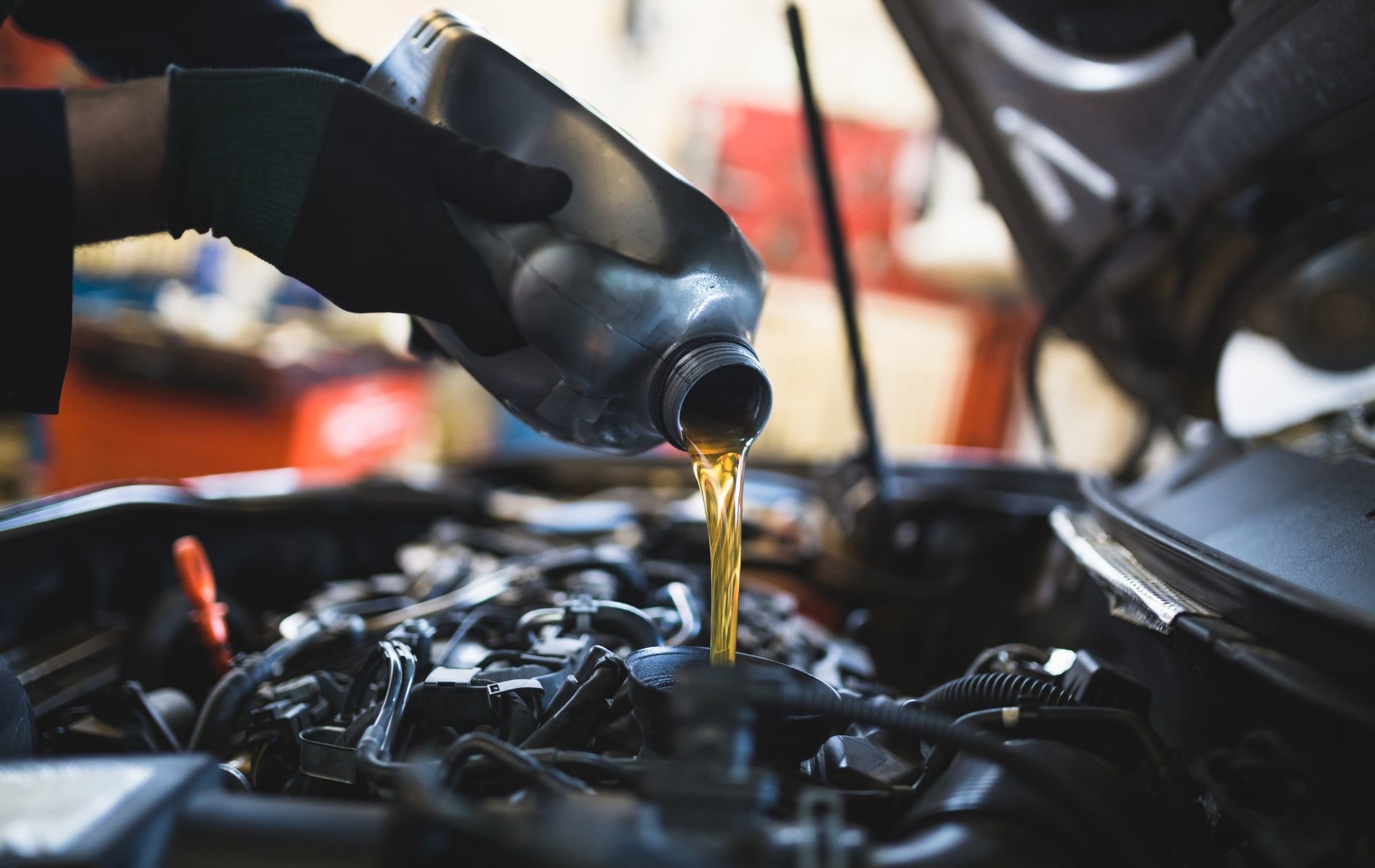
Engine oil is the lifeblood of your vehicle. It circulates through moving parts, keeps components lubricated, reduces friction, controls heat, and helps prevent premature wear. When oil levels drop too low—or when the oil becomes dirty or degraded—your engine begins to operate under stress. Over time, this strain can lead to expensive repairs that could have been avoided with simple, consistent monitoring.
Regularly checking your oil doesn’t require advanced tools or mechanical experience. Using the oil dipstick to read your oil level and condition gives you instant insight into how healthy your engine really is. A quick check is often all it takes to spot issues like leaks, oil consumption problems, or contamination before they turn into larger failures. When you make oil checks a habit, you protect your engine from friction-related damage, overheating, and sludge buildup—all issues that shorten engine life significantly.
Below, we’ll break down what low oil levels reveal about your engine and how consistent monitoring helps extend its lifespan.
What Low Oil Levels Reveal About Your Engine
Low oil levels aren’t just an inconvenience—they’re a warning. When the oil level drops below the recommended range, it reveals underlying issues that need attention. Understanding what causes oil loss helps prevent long-term engine damage.
- Oil Leaks
One of the most common causes of low oil levels is external leakage. Over time, seals and gaskets wear out, allowing oil to seep onto the ground, the engine block, or nearby components. A failing oil pan gasket is a frequent culprit, as it sits at the lowest point of the engine where heat and pressure come together. When this gasket leaks, oil drips slowly but consistently, sometimes without leaving obvious puddles. Checking your oil regularly helps identify early-stage leaks before they worsen. - Excessive Oil Consumption
Some engines burn small amounts of oil during normal operation. But if the level drops quickly between oil changes, it may point to worn piston rings, valve seals, or PCV system issues. Ignoring oil consumption problems can lead to carbon buildup, fouled spark plugs, and poor fuel economy. - Oil Dilution
Low oil levels can also appear when fuel or coolant enters the oil system. Fuel dilution thins out the oil, reducing its ability to lubricate and protect moving parts. Coolant contamination, meanwhile, creates a milky appearance on the dipstick—an early sign of head gasket failure. Detecting these issues early prevents catastrophic engine damage. - High Engine Temperatures
Oil also serves as a heat regulator. Without enough oil circulating, engine temperatures rise. Heat causes metal parts to expand, increasing friction and wear. If overheating continues, components like bearings, camshafts, or pistons can fail. - Sludge Buildup
Over time, old oil breaks down and forms sludge. This sludge blocks oil passages and prevents proper circulation. Low oil levels combined with sludge create one of the fastest paths to engine failure. - Delayed Oil Changes
Failing to replace oil on schedule leaves the engine running with degraded oil. Even if the level appears normal, old oil may not protect the engine properly. Monitoring the oil’s appearance and texture helps ensure you’re not running too long between changes.
Regular oil checks allow drivers to catch these problems early. Once you know what’s causing the reduction, fixing the issue becomes far easier and less expensive.
How Consistent Monitoring Extends Engine Life
Monitoring your oil level regularly is one of the simplest and most effective ways to keep your engine running for years. Consistent checks help ensure that lubrication, cooling, and internal protection remain at their best.
- Protects Moving Parts
Engines have dozens of moving components that rely on a consistent oil film to prevent friction. When oil levels drop, these parts grind against each other, leading to metal-on-metal contact. Early checks ensure your engine never runs without the lubrication it needs. - Prevents Overheating
Oil absorbs and disperses heat. Without adequate oil, the engine overheats quickly. Regular checks help maintain proper heat distribution, reducing the risk of warped components or cracked engine blocks. - Helps Maintain Oil Pressure
Oil pressure depends on having enough oil in the system. Low oil volume leads to low pressure, which can starve vital components like the crankshaft and camshaft. Monitoring pressure-related symptoms—such as warning lights or ticking noises—helps protect the engine. - Identifies Problems Before They Escalate
A quick inspection of your oil level and condition reveals issues like leaks, contamination, or consumption before they cause major repairs. Early intervention keeps repair costs low and prevents breakdowns. - Supports Longer Engine Lifespan
Engines that are properly lubricated and regularly monitored run cooler, cleaner, and smoother. This stability reduces wear and extends the life of every internal part, from bearings to valves. - Helps You Perform Clean, Controlled Oil Changes
When it’s time to drain and replace oil, using an oil drain pan helps keep the job clean and controlled. Regular checks prevent unexpected oil messes or spills when the system hasn’t been maintained properly. - Improves Fuel Efficiency
An engine running on low or degraded oil has to work harder, reducing fuel economy. Keeping oil levels where they should be helps maintain peak efficiency. - Prevents Emergency Breakdowns
One of the biggest benefits of regular oil checks is avoiding sudden engine failure. Consistent monitoring keeps you informed about your engine’s health so you can act before problems become emergencies.
In short, regular oil checks ensure your engine is always operating at its best. By catching problems early, you protect your vehicle from long-term damage and save money on avoidable repairs.
Conclusion
Regular oil checks may seem simple, but they are one of the most powerful ways to protect your engine from costly damage. Monitoring your oil level and condition helps detect leaks, contamination, and wear long before major problems develop. With consistent attention and timely maintenance, your engine stays strong, efficient, and reliable for the long haul.
