

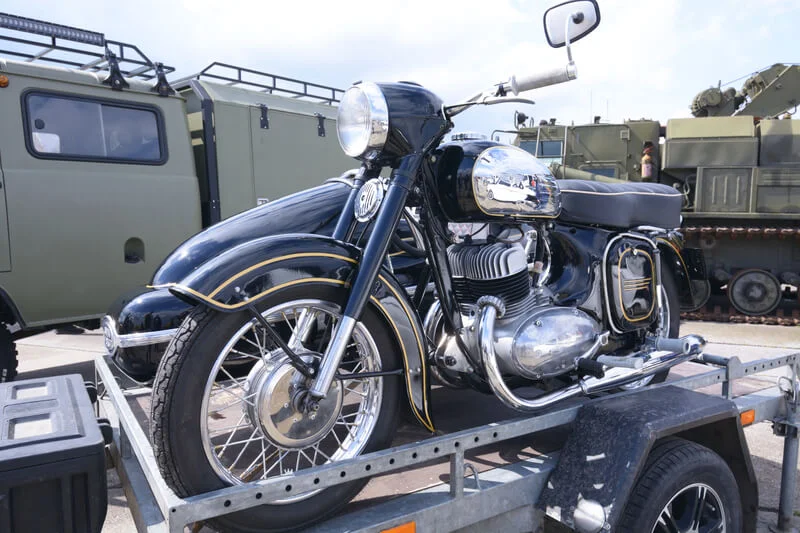
Vintage motorcycles are not just a means of transportation. They are almost always valuable collectibles, investments and pieces of history. Their fragile nature and special parts require a higher degree of consideration when it comes to motorcycle transport. Without the proper care and preparation there is a high risk of scratches, dents, and even the unfortunate mechanical problems that can come with these precious artifacts. This information gives you practical, usable tips on how to make sure that, in the end, your vintage motorcycle arrives in the same shape it left.
Choose the Right Transport Option
The kind of motorcycle shipping method you chose is very important when shipping antique vehicles. For vintage bikes enclosed motorcycle shipping is not advised, but necessary. This method coddles your motorcycle away from road debris, weather, and theft and puts it into a secure cocoon from pick up to delivery.
Open versus enclosed shipping.
Although open carrier transport is commonly available; it is invariably the cheaper alternative. However, it leaves your motorcycle exposed to the effects of the weather, as well as the elements outside of the truck. Enclosed trailers may be more expensive, but provide extra protection which makes it the better bet for maintaining the condition of your valuable vintage machine.
Hire experienced vehicle shipping providers.
When you handover your vintage motorcycle to motorcycle shipping services, you should always use services that have a good track record. It’s easy to find out what kind of service motorcycle carriers offer on uShip because they show their profiles, which include information about their companies and reviews from past customers. Using this method, you can reasonably assume that the people who work in the business of transporting vintage motorcycles know how to handle vintage and collectible cars.
Prepare the Motorcycle for Shipping
Wash the motorcycle with soap and water, focusing on the wheels, chain, and underbelly to remove dirt. To avoid corrosion, dry the bike with a microfiber rag. Photograph all motorcycle sides, engine, handlebars, and wheels in high resolution. Take close-up photos of the engine, handlebars, and wheels. These photos are crucial if the motorcycle is damaged before shipping from your yard. Backup your photos to the cloud and store them on your hard disk with a time stamp. This will make it easy to remember the motorcycle’s appearance before shipping.
Fuel level check
Most gas tanks need little gasoline. The fuel tank should not exceed 25%. This reduces fire risk. Using a siphon pump or riding the bike around the block and back can empty the fuel tank. Make sure the gas cap is tight and not leaking.
Unhook battery
To avoid electrical issues, disconnect the battery if instructed by the carrier. The battery is inside the seat or on the side panel. Disconnect the negative terminal first, then the positive with a wrench. Secure the cords away from the battery to prevent shorting.
Secure loose parts
Side mirrors should be folded or removed to prevent shipping damage. Tighten saddlebag, windshield, crash bar, and other accessory bolts with hard pressure. If any are removable, pack them in separate containers with labels to avoid losing them. Use zip ties or bungee cords to secure smaller parts. Make sure no fittings are loose or clanging. Unsecured parts should be encased in foam padding to prevent scratches and dents during transport.
Secure and Protect During Transport
Select a heavy-duty ratchet strap with a weight rating that matches your motorcycle. Make sure the motorcycle straps are in the appropriate place (per the manufacturer). Never strap an exhaust pipe or footpeg, they may break. To prevent the motorcycle from tipping over, tighten all four straps evenly after attaching them to the trailer’s locking hooks. Check your straps during travel to make sure they’re tight enough to protect your motorcycle’s suspension and keep it level.
Cushion your motorcycle
Pad the motorcycle’s most vulnerable sections to prevent scratches and dents during shipment. Foam cushioning can protect the fuel tank, fairings, and other critical places. Apply foam cushioning to these locations and secure with painters tape or stretch wrap. Consider where the straps will attach if you need to pad many areas of the motorcycle. Check the cushioning before loading the bike onto the trailer. If you have an expensive motorcycle, consider custom fit cushioning for protection. Protecting the motorcycle from scratches and dents during shipping will preserve its appearance and value.
Cover the bike
When transporting a motorcycle, protect it from the elements. Cover the motorcycle. Breathable motorbike covers prevent rust from moisture. To wrap the motorcycle tightly, make sure the cover fits well and has elastic hems or straps.Plastic tarps generate heat and dampness, so avoid them. Make sure your motorcycle cover lets you attach the trailer straps without constraining them. You should also seek for a cover with UV protection if you’re traveling your motorcycle long distances. Direct sunshine can damage the paint and other components.
Inspection and Documentation
Examine the motorcycle under bright light for scratches and dents and chips. Look over the frame, wheels, tires, suspension, and accessories, even for minor blemishes. Use a checklist to note the odometer reading, fluid levels, tire pressure, and condition of appearance. Compare these lists with any pre-cleaning pictures for accuracy. If one has a high-value machine, it might be wise to have a complete check done by a dealer or experienced mechanic. This will give one a base on the machine’s condition before it leaves its possession.
Document the damage
Make close-up photographs of any scratches, dents, and imperfections, placing a ruler or coin near for scale. Good pictures could be taken from various angles under good lighting. Have all the damage shown. Prepare a complete written list of the location, size, and degree of damage and imperfections noting with which each photograph corresponds. Have this in writing to hand to the carrier at the time of pickup, so he understands what it means. For added safety you may send yourself the list and the photographs in an email, for verifiable record in case of claim.
Complete bill of lading
Study the bill of lading carefully and see that it shows all damage from any prior cause referring to the photographs and list made. Put in the name of the carrier and the conditions of shipment and of inspection of the machine. See that all is correct before signing and ask for a copy for yourself.
Retain this bill of lading until delivery has been made, for it will be necessary to possess it for establishing any claims of any kind. If there should arise any differences of opinion, discuss it with the carrier as soon thereafter as possible. This will help clear up any misunderstandings. The bill of lading is the safeguard in case of claims for damages.
Delivery and final check
The motorcycle needs to be fully inspected for scratches, dents, etc. at time of delivery, with the delivery person present, using again the “Pre-shipment Checklist.” Compare the present condition with the original pictures that show the vulnerable areas of the motorcycle, which are: gas tank, any fairings, etc.
Make sure that all lights are working, brakes, ignition and everything else that is supposed to operate, for long hauls make sure that questionable damage is checked, like any potential frame stress cracks. Note any defects that have been noted upon delivery before you sign the delivery note, and get the carrier to sign an acknowledgment of those defects.
Verify condition
Make sure that the motorcycle shows no scratches, dents, or missing parts before signing the delivery receipt. If there are any defects, make sure that they are made a matter of record immediately by taking pictures of them and making notes of what the defects are, in the same detail that was used in respect to the inspection pre-shipment. Additionaly also note what accessories are missing and verify whether they were shipped separately.
Do not sign off until you have received written acknowledgement of all defects noted. In the case of a substantial amount of damage, an independent inspection should be requested, if possible. Prompt action would be required to facilitate the handling of claims which have been made. This way, all damages would be noted before the carrier left.
Contact uShip support
If any problems arise, the shipper should contact uShip Support immediately. This can be done via their portal or telephone hotline. Information needed will be the booking number, bill of lading and documentation. Problems to be addressed would include mechanical defects, missing parts or difficulty with the carrier in respect to claims.
Pictures and notes should be required, and submitted regularly to one of the uShip support personnel. The claim process of uShip should be followed, paying careful attention to deadlines. It is best to keep notes of everything which has occurred or taken place for future reference. In the case of a complex problem, a supervisory person of uShip should be contacted to expedite matters.
Conclusion
To keep the motorcycle safe from debris and temperature changes, it should be transported in an enclosed trailer. Do all the necessary prep work well in advance, such as cleaning, tying down all the motorcycle’s parts, and anything else the carrier needs. To fix the problem of the bike getting damaged, use a cover with good ties, padding, and breathable materials.
Take a lot of pictures and videos of the bike’s condition, and make a written record with a very detailed bill of lading. When you get the motorcycle, make sure to have it looked at closely. All issues must also go through the final channels of uShip support. The enclosed carrier, accurate bills of lading, and a thorough inspection of the item being shipped should all make sure that the motorcycle arrives in good condition.
