

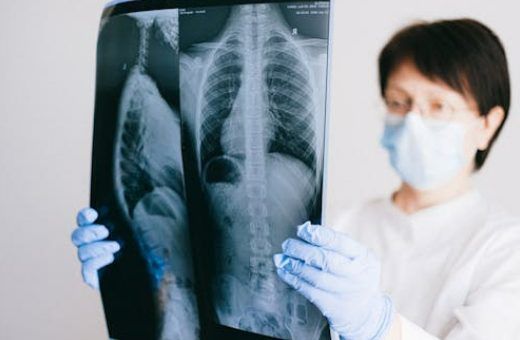
Dr. Aaron Smith stands out as a distinguished neurosurgeon in Tampa, known for his expertise in minimally invasive spine care. With a robust background in biology and neurosurgery, he is committed to advancing spinal surgery with cutting-edge techniques. His focus on robotic-assisted procedures and patient-centered care has led to remarkable results, offering patients faster recovery times. Learn more about innovative neurosurgery from Dr. Aaron Smith in Tampa, and how his approach has transformed spine care and improved countless lives.
Dr. Aaron Smith’s Educational Background
Dr. Aaron Smith’s educational journey is marked by a series of notable academic accolades and prestigious fellowships that underscore his expertise in neurosurgery. He completed his undergraduate studies with honors at a leading university, where he earned a Bachelor of Science in Biology. Pursuing his passion for medicine, Dr. Smith attended a top-tier medical school, graduating with distinction. His commitment to advancing his skills led him to undertake a residency in neurosurgery at a renowned medical center, where he received multiple awards for excellence in clinical performance.
Further solidifying his expertise, Dr. Smith was selected for several prestigious fellowships, focusing on spine surgery. These fellowships provided him with cutting-edge training and exposure to advanced surgical techniques, shaping his proficiency in minimally invasive spine care.
The Evolution of Minimally Invasive Spine Surgery
How has minimally invasive spine surgery transformed the landscape of neurosurgical procedures? Over the past few decades, minimally invasive spine surgery has dramatically evolved, driven by technological advancements and refined surgical techniques. Initially, traditional spine surgery involved large incisions, prolonged recovery, and increased risk of complications. However, recent innovations have allowed for smaller incisions, reducing tissue damage and enhancing patient recovery times. Technological advancements, such as high-definition imaging and specialized surgical instruments, have enabled surgeons to perform complex procedures with greater precision and efficiency. These innovations have resulted in less postoperative pain, shorter hospital stays, and faster return to daily activities for patients. The ongoing evolution of these techniques continues to set new standards in spine care, benefiting both patients and healthcare providers.
Innovative Techniques in Spinal Procedures
Building upon the advancements in minimally invasive spine surgery, innovative techniques have further revolutionized spinal procedures. Robotic spine surgery is a significant breakthrough, enhancing precision and efficiency. This technology allows surgeons to perform intricate operations with improved accuracy, reducing the risk of complications and speeding up recovery times. Artificial disc replacement is another critical advancement, offering a promising alternative to traditional spinal fusion. This procedure involves replacing a damaged disc with an artificial one, preserving motion and reducing adjacent segment degeneration. These innovations enable less invasive treatments, promoting quicker patient recovery while maintaining the structural integrity of the spine. As these techniques continue to evolve, they signify a shift towards more effective, patient-friendly spinal care solutions.
Patient-Centered Care Approach
The neurosurgeon’s patient-centered care approach emphasizes the creation of personalized treatment plans tailored to each individual’s unique needs and medical history. By integrating empathy and effective communication skills, the surgeon guarantees that patients are fully informed and actively involved in their treatment decisions. This approach not only enhances patient satisfaction but also contributes to improved clinical outcomes.
Personalized Treatment Plans
In the domain of minimally invasive spine care, a personalized treatment plan is integral to achieving ideal patient outcomes. Dr. Aaron Smith, a renowned Tampa neurosurgeon, emphasizes the importance of tailoring each patient’s care to their specific needs. This approach includes personalized pain management strategies, which are indispensable for alleviating discomfort while promoting recovery. Dr. Smith employs advanced techniques and technologies to ascertain effective and efficient pain control. Additionally, individualized rehabilitation programs are designed to aid patients in regaining strength and mobility, facilitating a smoother return to daily activities. By focusing on these personalized elements, Dr. Smith aims to maximize the efficacy of his treatments, ultimately enhancing patient satisfaction and long-term health. His commitment to customization underscores his dedication to superior spine care.
Empathy and Communication Skills
Empathy and effective communication are essential components of a patient-centered care approach, especially in the field of minimally invasive spine care. These elements facilitate a deeper understanding of a patient’s unique needs and concerns, thereby enhancing the overall quality of care provided. Compassionate listening allows healthcare professionals to genuinely hear and comprehend the patient’s perspective, fostering a supportive environment where the patient feels valued and understood. Empathetic communication, in turn, involves conveying information in a manner that is both clear and considerate, helping to build trust and rapport. In minimally invasive spine care, where patient anxiety can be significant, mastering these skills is pivotal. It guarantees that patients are well-informed and comfortable, ultimately contributing to improved patient outcomes and satisfaction.
Benefits of Reduced Recovery Time
Many patients undergoing minimally invasive spine surgery experience drastically reduced recovery times, which offers several advantages. Faster recovery times allow individuals to return to their daily activities and professional responsibilities more swiftly, enhancing their overall quality of life. This approach is particularly beneficial for patients who cannot afford extended downtime due to personal or professional commitments. In addition, minimally invasive techniques result in reduced discomfort post-surgery. Patients often report less pain, which may lead to decreased dependence on pain medication, thereby minimizing potential side effects associated with prolonged medication use. Ultimately, the combination of quicker recovery and less post-operative pain contributes to a more positive surgical experience, supporting both physical rehabilitation and emotional well-being during the recovery period.
Cutting-Edge Technology in Spine Care
How does cutting-edge technology revolutionize spine care? It greatly enhances the precision and safety of surgical procedures. Robotic assisted surgery allows neurosurgeons to execute complex operations with greater accuracy, minimizing human error and reducing tissue damage. This approach is particularly advantageous in delicate spinal structures where precision is paramount. Advanced imaging techniques, such as 3D imaging and intraoperative MRI, further bolster these efforts by providing real-time, detailed views of the spine. These technologies enable surgeons to plan and navigate surgeries with greater confidence, ensuring ideal outcomes. Such technological advancements not only improve surgical precision but also facilitate less invasive procedures, contributing to quicker recovery times and increased patient satisfaction. Overall, these innovations signify substantial progress in spine care.
Personalized Treatment Plans
While advancements in technology play a fundamental role in modern spine care, the development of personalized treatment plans is equally transformative. Dr. Aaron Smith emphasizes tailoring care to each patient’s unique needs, ensuring ideal outcomes. His approach integrates personalized rehabilitation options that focus on enhancing mobility and function post-surgery. By evaluating individual patient profiles, Dr. Smith can develop customized physical therapy regimens that promote effective recovery.
Additionally, individualized pain management strategies are essential in his practice. These strategies may include medication adjustments, nerve blocks, or alternative therapies, all designed to minimize discomfort and enhance patient comfort. This patient-centric approach not only aids recovery but also empowers patients to take an active role in their healing journey, aligning with Dr. Smith’s commitment to extensive spine care.
Success Stories and Patient Testimonials
Numerous patients have experienced significant improvements in their quality of life following minimally invasive spine procedures performed by the Tampa neurosurgeon. Transformative patient outcomes highlight the effectiveness of these advanced techniques in facilitating faster recovery and reduced pain. Inspiring recovery journeys shared through patient testimonials provide valuable insights into the impact of personalized spine care approaches.
Transformative Patient Outcomes
Countless patients have experienced life-changing results under the care of the Tampa neurosurgeon specializing in minimally invasive spine care. This approach leads to improved quality of life and heightened patient satisfaction. The tangible benefits of minimally invasive procedures are evident in various patient outcomes:
- Reduced Recovery Time: Patients report considerably shorter recovery periods, allowing them to return to daily activities sooner.
- Decreased Pain Levels: Many experience lower pain levels post-surgery, contributing to overall well-being and comfort.
- Greater Mobility: Enhanced mobility is a common result, enabling patients to engage in physical activities they once thought impossible.
Dr. Aaron Smith’s expertise guarantees that patients receive tailored care, resulting in consistently positive transformations and fulfilling medical experiences.
Inspiring Recovery Journeys
Patients treated by the Tampa neurosurgeon specializing in minimally invasive spine care often share inspiring recovery journeys that highlight the profound impact of these advanced medical techniques. These stories frequently emphasize the inspiring resilience displayed by individuals facing significant spinal challenges. Many patients report overcoming setbacks that once seemed insurmountable, attributing their successful recovery to the cutting-edge procedures performed by Dr. Aaron Smith. Testimonials reveal quicker recovery times and reduced pain, allowing patients to regain active, fulfilling lives. The innovative approach minimizes tissue damage, enhancing overall patient outcomes. By adopting these minimally invasive techniques, patients benefit from a personalized treatment plan that addresses their unique needs, fostering a supportive environment for healing and long-term health improvements.
Why Choose Dr. Aaron Smith for Spine Care in Tampa
When seeking expert spine care in Tampa, Dr. Aaron Smith stands out due to his dedication to minimally invasive techniques and patient-focused strategies. His approach guarantees:
- Comprehensive Treatment Options: Dr. Smith offers a wide range of surgical and non-surgical interventions tailored to each patient’s specific condition, securing a holistic approach to spine care.
- Customized Care Solutions: Understanding that each patient is unique, Dr. Smith develops personalized treatment plans that align with individual health needs and recovery goals.
- Advanced Techniques: Utilizing the latest in medical technology and research, Dr. Smith implements minimally invasive procedures that promote quicker recovery times and reduced postoperative pain.
These attributes make Dr. Smith a leading choice for those in need of spine care in Tampa, providing patients with effective and compassionate solutions.
Frequently Asked Questions
What Are the Initial Signs That Indicate I Might Need Spine Surgery?
Chronic back pain and radiating leg pain are initial signs potentially indicating the need for spine surgery. These symptoms suggest nerve compression or degeneration, warranting evaluation by a healthcare professional for possible surgical intervention. Seek medical advice promptly.
How Does Insurance Typically Cover Minimally Invasive Spine Procedures?
Insurance coverage for minimally invasive spine procedures varies by policy, often including significant portions of the procedure. However, patients may still face out-of-pocket costs, which depend on deductibles, co-pays, and specific coverage limitations of their plan.
What Lifestyle Changes Can Help Prevent Spine Issues?
Lifestyle changes to prevent spine issues include maintaining a healthy diet rich in nutrients and engaging in regular exercise to strengthen core muscles. These practices support spinal health by reducing stress on the spine and improving overall body mechanics.
How Often Should I Follow up After Spine Surgery?
Patients should schedule regular check-ups and ongoing monitoring after spine surgery. Initially, follow-ups may be more frequent, such as every few weeks, then gradually extend to every few months based on individual recovery and doctor’s recommendations.
What Non-Surgical Treatments Are Available for Spine Conditions?
Non-surgical treatments for spine conditions include physical therapy techniques, which focus on strengthening and flexibility, and conservative treatment options such as medication, epidural injections, and lifestyle modifications to manage pain and improve patient mobility effectively.
