

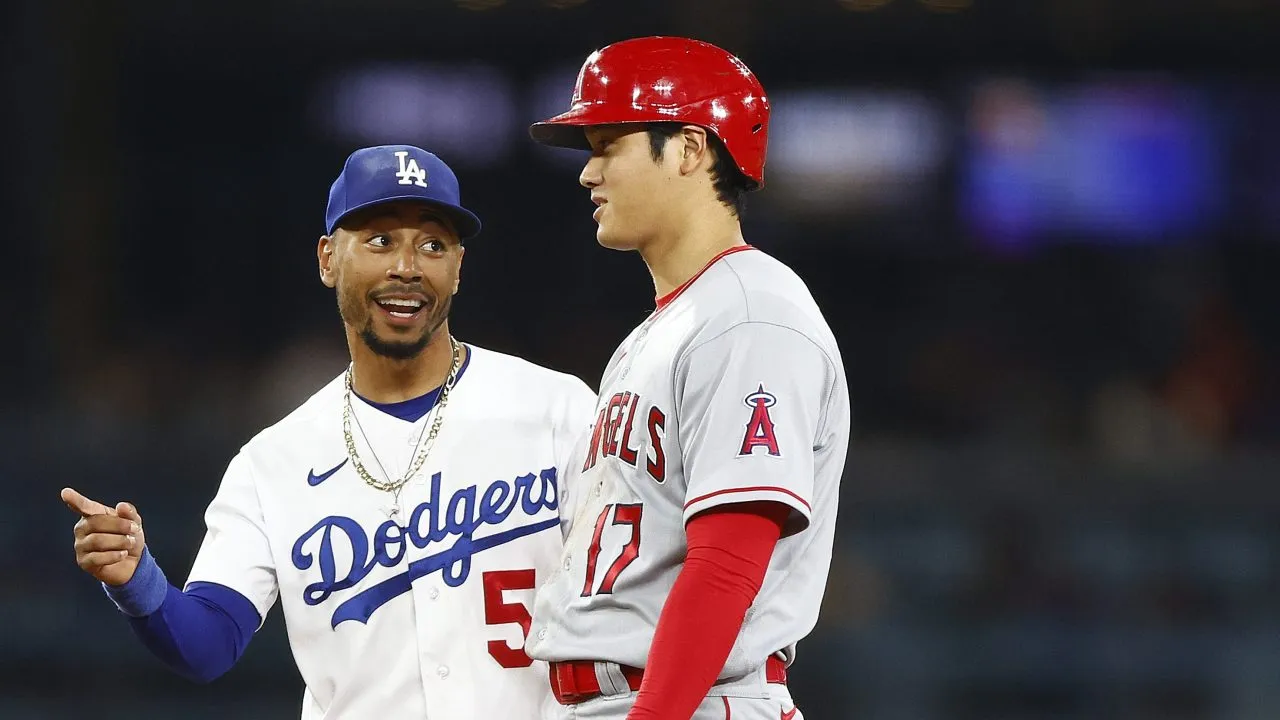
The economic dynamism of Major League Baseball (MLB) extends well beyond the ballparks, encompassing a complex web of revenue streams and financial flows. This article explores the various facets of MLB’s economic impact, focusing on sponsorships, betting, television rights, ticket sales, merchandising, broader economic spillover through tourism, and player salaries. Together, these components form the financial backbone of the sport and underscore its role as a major economic engine.
Sponsorships
Corporate partnerships are an expanding revenue pillar for MLB. Sponsorship revenues have experienced strong growth: for instance, league-wide sponsorship income surged around 70% in 2021 following renewals with major companies. MLB teams and the league also benefit through naming rights, including lucrative deals for ballparks. Additionally, sponsorships during flagship events command considerable value, with brands paying millions for visibility and exposure.
Betting
The league has tapped into sports betting by monetizing its rich real-time data and in-game content. As betting laws loosen across states, MLB is progressively expanding this stream. In 2024, baseball contributed 16% of the total sports betting revenues, amounting to $13,71 billion. One of the reasons for this significant growth can also be attributed to the numerous bonuses and promotions, such as those found on the page https://www.oddschecker.com/us/promotions, which gaming platforms constantly offer their users. These are certainly a significant incentive and are seen by fans and enthusiasts as an opportunity not to be missed. Given that the MLB has an impressive 162 games each year, the volume of bets placed on this sport is inevitably very high
Television Rights
Television and media rights represent one of MLB’s largest revenue streams. Historically, the league has secured substantial national contracts. However, the landscape is shifting. In 2025, ESPN opted out of its long-term agreement that was paying roughly $550 million per year. In response, MLB is negotiating new packages starting in 2026 with streaming and broadcast platforms with a view to consolidating rights into multi-year blocks by 2028. At the local level, regional sports networks remain crucial, accounting for about 23% of MLB revenue.
Ticket Sales
Gate receipts and match-day revenues are among the most tangible financial drivers. According to data, on average, gate and match-day income account for about 50% of a team’s total annual revenue. Another breakdown estimates ticket sales alone represent roughly 31% of total MLB revenue, complemented by concessions and parking to total a significant portion.
Merchandising
Merchandising offers a powerful and globally scalable revenue stream. Sales of jerseys, caps, trading cards, and memorabilia are significant, particularly during postseason excitement. For instance, World Series merchandise alone generated over $350 million in 2023. Beyond physical goods, the rise of digital collectibles like NFTs is opening new monetization avenues. These revenues feed directly into broader financial structures.
Economic Spillover (Tourism & Induced Effects)
MLB events drive substantial local economic activity through tourism and associated spending. Host cities experience notable gains: the World Series injects between $50 to $75 million in direct economic impact in cities such as Houston and Philadelphia. Hotels, restaurants, and transportation services all benefit from the influx of fans. Even beyond marquee events, routine game-day spending sustains local economies.
Player Salaries
Player compensation remains MLB’s most substantial expense. Star players can command tens of millions in annual pay, especially on teams like the Dodgers. The league employs mechanisms like the Luxury Tax and revenue sharing to curb salary disparities and support small-market teams. According to community analysis, revenue sharing typically encompasses about 48% of local television, ticket, and in-stadium revenues, redistributing funds to maintain competitiveness.
MLB’s economic influence spans a wide spectrum: from lucrative media deals and sponsorships to ticketing, merchandise, tourism, and complex salary economics. Together, these streams sustain a financially robust and culturally significant institution, anchored both domestically and increasingly on the global stage.
