

Most people don’t think much about the towering trees in their yards until something goes wrong. Maybe it’s a windstorm that snaps a limb like a toothpick. Maybe it’s the slow lean of a rotting trunk creeping closer to a roofline. Or maybe it’s a stubborn root system cracking the driveway, little by little. Whatever the trigger, the decision to remove a tree is never one taken lightly.
Tree removal is as much an act of protection as it is a last resort. It’s not about waging war on nature, but rather finding a balance between preservation and safety. While trees are invaluable for shade, aesthetics, and environmental health, there are times when letting one go is the only responsible path forward.
When Trees Become Hazards
Not all trees age gracefully. Disease, pests, root damage, and weather stress can slowly undermine a tree’s structural integrity. What might look like a minor issue—a few brittle branches or a hollow section in the trunk—can be a warning sign that a tree is no longer safe.
In dense urban or suburban areas, a falling tree isn’t just an eyesore. It can destroy property, disrupt power lines, and in the worst cases, injure people. That’s why certified arborists often recommend proactive removal when a tree poses a risk. It’s a decision driven by safety, not aesthetics.
Other scenarios demand removal for more practical reasons. Trees growing too close to foundations can destabilize structures. Fast-growing species may crowd out native plants. And sometimes, removal is part of a larger landscaping or construction plan that calls for clear space. In all these cases, a well-executed removal ensures long-term safety and usability of the property.
Why Professional Help Matters
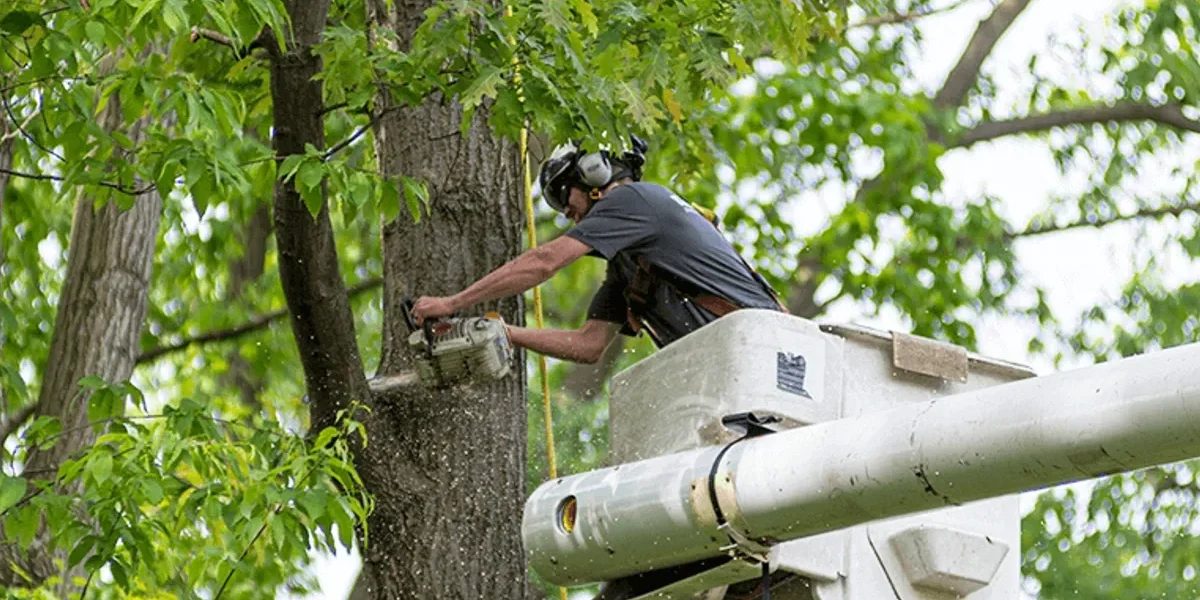
Tree removal might seem like a straightforward task—cut it down, haul it off. But in reality, it’s one of the most technical and dangerous types of outdoor work. Trees are heavy, unpredictable, and often located near power lines, homes, or fences. One wrong cut can turn a controlled job into a costly accident.
That’s where professional tree removal services come in. These teams are equipped with the training, equipment, and insurance to do the job safely and efficiently. More importantly, they understand local regulations and can guide homeowners through the permitting process, which is often required before removing a mature or protected tree.
In regions known for their dense tree coverage, like the Pacific Northwest, experienced crews are in high demand. Homeowners seeking Seattle tree removal services often choose providers that prioritize both safety and environmental responsibility. That means using low-impact methods, recycling wood when possible, and assessing each tree’s condition before jumping to removal.
Assessing the Tree: Remove or Revive?
Before the chainsaw ever starts, a professional arborist will assess whether removal is truly necessary. Sometimes what looks like a dying tree is just suffering from treatable stress. Soil quality, watering habits, and pruning mistakes can all mimic disease symptoms.
Arborists use a combination of visual inspection, diagnostic tools, and sometimes even root excavation to understand the full health of the tree. They’ll look at factors like canopy density, leaf color, bark condition, and fungal growth. If there’s a chance the tree can be saved with care or structural support systems, that option is often preferred.
For homeowners seeking reliable and safe tree care in the Gulf Coast region, tree service Pensacola, FL offers expert solutions tailored to preserve your landscape’s beauty and safety.
The Environmental Trade-Off
One of the most common concerns homeowners have is whether cutting down a tree is bad for the environment. It’s a fair question. Trees play a vital role in carbon capture, water filtration, and biodiversity. But sometimes, removing one compromised tree can make space for healthier, more appropriate plantings.
Many companies that offer Seattle tree removal services also work closely with replanting initiatives or offer recommendations for native species that are better suited to the local ecosystem. In this way, removal can be part of a larger strategy for creating a more resilient and sustainable landscape.
Some local programs even offer incentives for replanting or removing invasive species. It’s worth checking with city or county offices before beginning the process, as grants and rebates may be available.
What Happens After the Tree is Gone?
Tree removal isn’t just about cutting the trunk and calling it a day. There’s also the matter of the stump, which can be left to decompose naturally, ground down, or removed entirely. Stump grinding is the most common choice, as it clears the surface area for planting, paving, or building.
Beyond the stump, there’s debris to manage—branches, leaves, and sometimes entire logs. Many removal companies offer full cleanup services, and some repurpose the wood for mulch or firewood. In some cases, homeowners opt to keep large sections of trunk for DIY projects like garden beds or rustic seating.
The aftermath of a tree removal also presents a chance to rethink the space. Some homeowners take the opportunity to redesign their yard, install solar panels that were once blocked by shade, or introduce more pollinator-friendly plants.
Choosing the Right Tree Removal Partner
With safety and environmental impact on the line, choosing the right service provider matters. Look for companies with certified arborists on staff, proper insurance, and a strong reputation. Transparent quotes, detailed removal plans, and respect for local ordinances are all signs of a reliable partner. Homeowners in Virginia can count on a local certified arborist team like Virginia Tree Care to ensure tree removals are handled safely, efficiently, and with deep respect for the surrounding environment.
For residents navigating Seattle tree removal services, it’s also smart to check for knowledge of city-specific tree codes. Some areas have strict rules about removing trees of a certain size or species, and failing to get the proper permits can lead to hefty fines.
Reputable services will walk you through every step of the process, from initial inspection to cleanup. They’ll also be upfront about pricing, which can vary widely depending on the tree’s size, location, and condition.
Trees as Part of a Living Landscape
Ultimately, tree removal isn’t about subtracting from nature. It’s about stewarding a landscape responsibly. Whether it’s a diseased maple leaning too far toward a rooftop or a fast-growing poplar cracking the sidewalk, removal done right can actually protect and restore the environment around it.
In that sense, the removal of a tree can be the beginning of something new—a safer space, a healthier yard, and a chance to plant for the future. Because trees, like homes, need the right conditions to thrive. And when they no longer can, letting go with care is part of what it means to live responsibly in nature’s neighborhood.
