

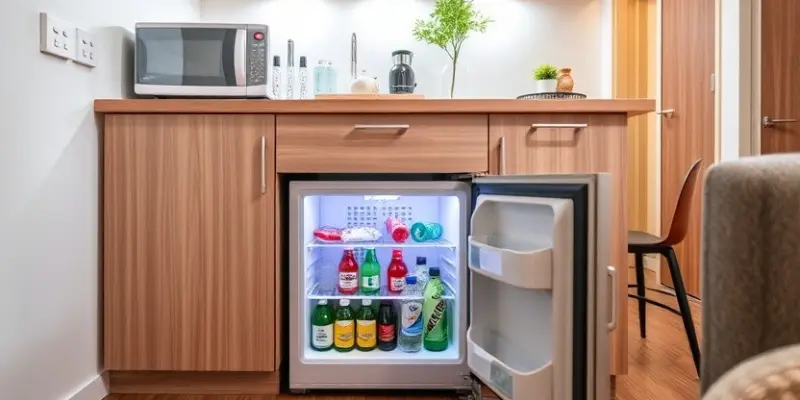
Mini fridges have become a popular choice for many New Zealanders, offering compact, versatile, and convenient cooling for a range of spaces. Whether you’re considering one for a home office, bedroom, garage, or bach, these small refrigerators can keep your drinks chilled and snacks within easy reach.
But are they worth the investment for your Kiwi lifestyle? Whether you’re furnishing a new space or just need more convenience, weighing the benefits against the drawbacks is key. Here’s a breakdown of the pros, cons, and expert advice to help you decide if a mini fridge is right for your home.
Pros of owning a mini fridge
Space-saving design
In New Zealand, where homes can range from compact city apartments to sprawling rural properties, space is often at a premium.
Mini fridges are a great fit for tight areas like small flats, home offices, or caravans. Their small footprint means you can tuck them under a desk, in a corner, or even in a caravan for weekend getaways. For those living in compact spaces, this smaller design offers cooling convenience without adding clutter.
Convenience and accessibility
A mini fridge brings cold drinks and snacks right where you need them.
Imagine working late in your home office and grabbing a chilled water without trekking to the kitchen. For gamers or movie buffs, having a fridge nearby for refreshments during long sessions is a game-changer.
It’s also a lifesaver in shared households, where a personal fridge can keep your favourite treats safe from roommates or hungry kids.
Energy efficiency
Most mini fridges are designed to use less power than full-sized models, which is a big plus in New Zealand, where energy bills can add up.
Their smaller cooling systems sip electricity, making them an eco-friendly choice for light use. They’re ideal for storing a few essentials without overloading your main fridge, helping it run more efficiently. Look for models with high energy ratings to maximise savings.
Portability for flexible use
Mini fridges are easy to move, making them ideal for New Zealand’s mobile lifestyle. Whether you’re going on a weekend getaway or setting up a temporary space, a portable fridge can go with you.
Some models even come with handles or lightweight designs, perfect for students moving between flats or families furnishing a holiday home. This flexibility makes them a versatile addition to any Kiwi household.
Cons of owning a mini fridge
Limited storage capacity
The biggest downside of a mini fridge is its small size. While great for drinks and snacks, it struggles to hold larger items like milk cartons, meal prep containers, or leftovers.
For a family, a mini fridge might not handle the weekly grocery haul, forcing reliance on the main fridge. If you’re hoping to store more than a few cans and yoghurts, you’ll quickly feel the space crunch.
Less efficient cooling
Mini fridges often lack the robust cooling systems of full-sized models. Some struggle to maintain consistent temperatures, especially in warmer conditions.
Freezer compartments, if included, are typically tiny and may not freeze items properly. This can lead to spoiled food or unreliable performance when you need it most. If reliable cooling is a priority, a mini fridge might fall short.
Noise concerns
While many mini fridges are marketed as quiet, some models can hum or vibrate, which can be annoying in small spaces. If the fridge is placed near a study desk or bed, this noise could disrupt sleep or focus.
Checking reviews for quiet operation or opting for a thermoelectric model (which tends to be quieter but less powerful) can help, but it’s a factor to consider.
Long-term durability
Mini fridges are often built with affordability in mind, which can mean lower quality materials or shorter lifespans. For people using their fridge daily, wear and tear might show up sooner than expected. Frequent moves, like those common among renters in Wellington, can also strain a mini fridge’s components. If you’re after a long-term investment, a full-sized fridge might offer better value.
Expert advice for choosing a mini fridge
Assess your needs
Before buying, think about how you’ll use the mini fridge. Is it for drinks in a home bar, snacks in a bedroom, or essentials in a holiday home?
A smaller model might be perfect for light use, while larger options are better for storing a wider range of items. Matching the fridge’s size and features to your lifestyle ensures you get the most out of it.
Prioritise energy efficiency
New Zealand’s focus on sustainability makes energy efficiency a must.
Check the energy rating label and opt for a model with a high star rating to keep running costs low. Even with light use, an efficient mini fridge can make a noticeable difference over time.
Avoid overcooling by setting the temperature just cold enough for your needs, typically around 3 to 5 degrees Celsius for drinks and snacks.
Consider placement
Where you place your mini fridge matters. Ensure it’s in a well-ventilated spot, away from direct sunlight or heat sources like ovens.
In humid environments, moisture can affect performance, so choosing a model suited to varied climates is important.
Also, check if the door swing suits your space — some models have reversible doors, a handy feature for tight Auckland apartments.
Look for added features.
Modern mini fridges come with extras that can enhance their value. Adjustable shelves offer flexibility for taller items, while a small freezer compartment (if reliable) can store ice cubes or frozen treats. Some models even offer digital temperature controls for precise settings. Decide which features matter most to avoid paying for ones you won’t use.
Check the warranty and reviews
Given concerns about durability, a solid warranty is crucial. Look for at least a one-year guarantee, and read user reviews to gauge reliability. Choosing a reputable brand with good after-sales support can help prevent headaches down the line. Local retailers often stock models tested for New Zealand conditions, so shop around for trusted options.
Final thoughts
A mini fridge can be a fantastic addition to a New Zealand home, offering convenience, portability, and energy savings for the right user.
Its compact design suits a range of lifestyles, from students to professionals to holiday home owners. However, limited storage, variable cooling, and potential noise or durability issues mean it’s not a one-size-fits-all solution.
By assessing your needs, prioritising efficiency, and choosing a model suited to your space, you can decide if a mini fridge is worth the investment. For those who value accessibility and flexibility, it’s a small appliance that can make a big difference — just don’t expect it to replace your main fridge.
