

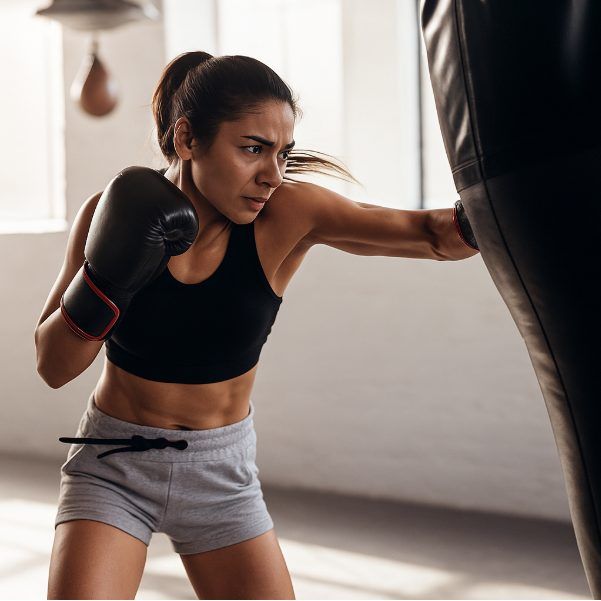
For a long time, women’s boxing remained on the sidelines—neglected, with scant financial support, and all too often treated as a sideshow. That changed—renaissance women’s boxing has undergone in the last 15 years is nothing short of transformational. No longer a niche, women’s boxing is now a true arena that attracts world class competitors and global media alongside growing interest within the international fight community.
The journey was never a simple straight line. Women’s boxing began to carve out space from the sidelines with Nicola Adams capturing Olympic gold in London 2012, followed by Claressa Shields cementing her dominance in three weight classes. Women’s boxing is now a space where these athletes are carving their way into history, both inside and outside the ring.
Boxing’s Growth Across Borders
The rise of women’s boxing is a global story—but it’s particularly resonant in regions like South Asia, where cultural perceptions of female athletes are still shifting. In Bangladesh, for instance, boxing programs tailored for girls have multiplied over the past five years, with Dhaka’s clubs now training dozens of youth competitors. This movement isn’t just about sport; it’s about access, visibility, and empowerment.
Boxing fan communities that once only focused on heavyweight title fights are now also streaming highlights from women’s bouts, reading interviews, and even discussing live casino Bangladesh platforms that host fight-themed promotions. As with all other industries, traditional broadcasters took a while to adjust, but the gap was filled by streaming services, YouTube channels, and other social media outlets. Now, Taylor and Serrano Amanda, along with Katie Taylor, are world-renowned names not only in Ireland and Puerto Rico but also in Bangladesh and India. Their fight in 2022 was the first female boxing fight to headline Madison Square Garden, and it was sold out.
Key Moments That Changed the Game
A few pivotal moments helped turn the tide for female fighters. These weren’t just good fights—they were cultural signals that the sport had arrived.
- 2012 London Olympics: Women’s boxing was added for the first time. Nicola Adams took gold, and the event drew millions of viewers.
- Katie Taylor vs. Amanda Serrano (2022): A high-profile, high-skill, ten-round war in front of 20,000 fans. The hype matched the performance.
- Claressa Shields’ Double Gold: Winning gold in both London and Rio elevated her to the top of the pound-for-pound list, male or female.
- Professional League Contracts: Matchroom Boxing and Top Rank began regularly signing elite women fighters—something unthinkable a decade ago.
These moments weren’t just impressive—they were commercial successes. That’s what really moved the needle.
How Tech Is Changing Training
Technology is reshaping the training regimen of female boxers. The Corner punch tracker wearable provides feedback on speed, force, and accuracy in real time. Even strength and conditioning coaches have begun utilizing AI motion capture technology, which has been historically tailored to male fighters, to optimize training protocols for women.
Bangkok and Dhaka boxing facilities are starting to incorporate some of these technologies, especially with AIBA’s “Boxing for All” program gaining traction in developing countries. This allows fighters from Bangladesh access to advanced training equipment and techniques used by professionals, or those sponsored by MelBet, who have access to international sports performance technology.
Advanced recovery techniques and diet planning also appear to be gaining popularity at the elite level. Female boxers now have the same high-performance ecosystems as male fighters, including cryotherapy and biometric tracking, which helps balance the sporting field further.
Who’s Dominating the Ring?
To appreciate how far the sport has come, here’s a snapshot of today’s elite:
| Name | Country | Division | Notable Achievement |
| Claressa Shields | USA | Middleweight | 3-weight world champion |
| Katie Taylor | Ireland | Lightweight | Undisputed champion |
| Amanda Serrano | Puerto Rico | Featherweight | Champion in 7 weight classes |
| Seniesa Estrada | USA | Minimumweight | Known for the fastest KO in women’s boxing |
| Savannah Marshall | UK | Super Middleweight | Defeated top-ranked contenders |
Each of these fighters has brought something distinct—style, speed, precision, or raw power—and the depth of talent continues to grow.

The Business Side of Women’s Boxing
More advertised slots will result in higher sponsorship opportunities. In 2023, DAZN extended its agreement with Matchroom to promote additional multi-year title fights for women, securing multi-year deals. Social media numbers are also growing. Amanda Serrano has over 1 million followers spread across various platforms, which strengthens her position during contract negotiations.
Celebrity athletes as well as social media influencers are fusing together, thus creating a sports lifestyle influencer content, which has garnered interest from numerous investors and is rapidly gaining attention. Branding collaborations now include everything beyond just sports apparel and protein shakes, as those became obsolete a long time ago. Lifestyle brands are now leveraging the determination, charm, and credibility these athletes have built with their loyal fan base.
Why the Momentum Feels Sustainable
There’s a difference between trend and transformation. Women’s boxing is now embedded in the sport’s structure: amateur systems, pro leagues, broadcast deals, and youth training camps. This isn’t experimental anymore—it’s normalized.
Here are three reasons why that matters:
- Youth Development: Countries like Bangladesh are building early-stage programs specifically for girls.
- Equal Pay Fights: Promoters and fighters are now publicly demanding equitable treatment, and some events are delivering.
- Media Coverage: Mainstream outlets now cover women’s fights with the same analytical depth as men’s bouts.
What Comes Next?
The next frontier? More international events, deeper regional development, and the long-awaited rise of heavyweight female boxers. Asia, including South Asia, is poised to become a major force if current trends hold. With the right investment in training infrastructure and visibility, it’s not unrealistic to expect an elite Bangladeshi female boxer on the world stage within a decade.
That’s the real power shift here: it’s not just that women are fighting. It’s that the whole world is watching—and taking them seriously.
