
Close Menu
CEOColumnCEOColumn
    What's Hot

    Skin Minimalism vs. Maximalism: The Tale of Two Faces

    January 27, 2026

    How Staffing Shortages And Cost-Cutting Measures Impact Resident Safety

    January 27, 2026

    When the Sky Disappears: How to Know It’s Time to Pull Over in a Dust Storm

    January 27, 2026
    Facebook X (Twitter) Instagram
    Facebook X (Twitter) Instagram
    CEOColumnCEOColumn
    Subscribe
    • Home
    • News
    • BLOGS
      1. Health
      2. Lifestyle
      3. Travel
      4. Tips & guide
      5. View All

      How a Divorce Lawyer Protects Your Rights

      January 23, 2026

      Mental Wellness Techniques for Handling Everyday Stress

      January 23, 2026

      How In-Home Care Improves Daily Health Outcomes

      January 21, 2026

      How HRT Helps Men Restore Balance In Everyday Life

      January 16, 2026

      Skin Minimalism vs. Maximalism: The Tale of Two Faces

      January 27, 2026

      What are the Most Popular Bulk Self-Defense Products for Women

      January 22, 2026

      How to Modernize A School Uniform With Stylish Skinny-Fit Pants

      January 22, 2026

      From Wallets to Clutch Bags: Must-Have Handbags for Women in 2026

      January 16, 2026

      Adaptive Reuse: The Engineering Challenges of Converting Warehouses into Modern Offices

      January 23, 2026

      Experience the Beauty of Manali- A Perfect 5 Days Trip

      January 16, 2026

      How Modern Families Are Staying Connected Across Generations During International Travel

      December 24, 2025

      Surf Camp Costa Rica: A Perfect Blend of Ocean Thrills and Luxury Stays

      December 5, 2025

      Top Mistakes to Avoid When You Hire Frontend Developers

      January 13, 2026

      How to Build a Healthy Workplace Culture

      January 7, 2026

      How Chiropractic Care Can Support Personal Injury Claims

      January 5, 2026

      The Ultimate Guide to Working from Home with Kids without Losing Your Mind

      December 24, 2025

      The Role of Signage in Retail and Commercial Branding

      January 26, 2026

      How to Build a Winning SEO Strategy in 2026

      January 26, 2026

      Agastya Nanda Age & Life: Career, Family, Dating 2026

      January 24, 2026

      Ranveer Allahbadia Height in Feet, Age, Net Worth & GF 2026

      January 24, 2026
    • BUSINESS
      • OFFLINE BUSINESS
      • ONLINE BUSINESS
    • PROFILES
      • ENTREPRENEUR
      • HIGHEST PAID
      • RICHEST
      • WOMEN ENTREPRENEURS
    CEOColumnCEOColumn
    Home»BUSINESS»How Do Credit Scores Affect Financial Health? 

    How Do Credit Scores Affect Financial Health? 

    OliviaBy OliviaMay 8, 2025Updated:July 23, 2025No Comments5 Mins Read

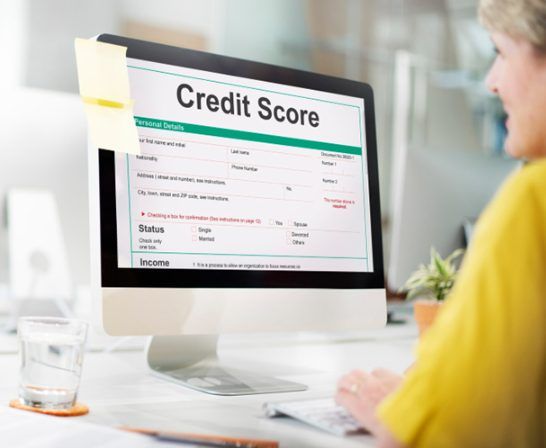
    Credit scores often remain in the background—until they suddenly become a barrier. A denied loan, a request for a larger deposit, or an unexpected rate increase can turn an overlooked number into a pressing concern. 

    Beyond credit applications, these scores quietly influence key areas of life, from housing availability to employment screenings. They act as a financial trust signal—one that can either unlock opportunities or quietly limit them. 

    For anyone focused on long-term financial well-being, learning how credit scores work is essential. It starts with understanding what these numbers actually measure and how they’re used. 

    What’s Actually in a Credit Score? 

    A credit score is a three-digit number that reflects a borrower’s history with credit and repayment. In the U.S., the most widely used scores range from 300 to 850 and are generated using data from credit reports. The higher the number, the more trustworthy an individual is considered by lenders. 

    Scores are calculated based on five core factors: credit utilization, payment history, types of credit, length of credit history, and recent credit inquiries. Each of these represents a different aspect of financial behavior. Payment history has the biggest impact. Lenders prioritize whether bills have been paid on time. Credit utilization considers how much available credit is being used, a key indicator of how well debt is managed. 

    Generally, a score above 740 is considered excellent, while anything below 670 may raise concern. That said, a low score doesn’t always indicate financial irresponsibility. It might reflect a limited credit history or recent hard inquiries. However, the consequences are often the same: higher costs or reduced access to borrowing options. 

    Credit scores play a central role in shaping access as borrowing options diversify. Traditional banks still matter, but they’re no longer the only gatekeepers. Many consumers now turn to digital lenders who offer quicker, more flexible options tailored to real-world needs. Platforms like CreditNinja.com are part of this shift, providing access to emergency funds without the slower turnaround times of legacy institutions. 

    What a Strong Score Really Gets You 

    Credit scores directly affect how lenders assess risk. A strong credit score doesn’t just increase the likelihood of loan approval. It also directly impacts the cost of borrowing.  

    A strong credit score significantly impacts financial flexibility and access. California Credit Union states, “A strong credit score improves your chances of approval and enables you to qualify for larger loan amounts with more flexible repayment terms.” This means that individuals with higher scores often have more options when seeking financial products.  

    Take two applicants for a personal loan. One has a score of 780 and receives favorable terms: steady repayments, no prepayment penalties, and access to larger sums. The other, with a score of 620, may still qualify but faces higher payments, shorter terms, or limited loan amounts. 

    The difference may not seem drastic at first glance, but over time, it compounds. Higher borrowing costs reduce the ability to save or invest and can strain monthly budgets. 

    Conversely, a low score can restrict access altogether. Lenders may deny applications or ask for additional security, such as a co-signer or collateral. This can stall financial goals, whether consolidating debt, covering urgent expenses, or investing in future opportunities. 

    The Long Game of Credit Reputation 

    Credit scores impact far more than just loan approvals—they play a critical role in shaping long-term financial outcomes. Even small shifts in a score can lead to significant differences in borrowing costs. For example, a stronger credit profile can yield substantially lower interest rates, potentially saving tens of thousands of dollars over the course of a mortgage. 

    The influence extends to business funding, apartment rentals, and employment in sensitive sectors. Employers, particularly in finance or government, may use credit reports to assess risk and reliability. Landlords often rely on credit history to screen potential tenants, especially in competitive housing markets. 

    This makes a credit score more than a borrowing tool. It becomes a financial reputation, slow to build but quick to judge, and increasingly tied to day-to-day opportunities. 

    Building a Better Score 

    Improving a credit score isn’t about shortcuts. It’s about developing steady financial habits. The most essential is consistency. Even if minimal, on-time payments protect payment history, the most significant component of a credit score. 

    Credit utilization also matters. Keeping balances low relative to total credit limits shows a borrower isn’t overleveraged. Ideally, utilization should remain under 30% across all accounts. 

    Limiting new applications is another smart move. Each application generates a hard inquiry, which can temporarily lower a score. Spreading out applications makes more sense unless you seek a major loan. 

    Recovery is possible for those starting with low scores. Tools like secured credit cards and credit-builder loans offer structured paths to rebuild. Over time, consistent activity helps establish a stronger profile. 

    Why Credit Is a Long Game Worth Playing 

    Every financial system needs a way to assess risk. In the U.S., that system is primarily built around credit scores. While the score itself may be numerical, its impact on someone’s financial path is anything but abstract. Knowing how it works and actively managing it turns something passive into a tool that works in the background, making sure your options don’t quietly shrink over time. 

    Share. Facebook Twitter Pinterest LinkedIn Tumblr Telegram Email
    Previous ArticleEverything You Need to Know About Laundry Sheets Before Switching
    Next Article Ronnie McNutt: The Tragic Story Behind His Viral Video
    Olivia

    Olivia is a contributing writer at CEOColumn.com, where she explores leadership strategies, business innovation, and entrepreneurial insights shaping today’s corporate world. With a background in business journalism and a passion for executive storytelling, Olivia delivers sharp, thought-provoking content that inspires CEOs, founders, and aspiring leaders alike. When she’s not writing, Olivia enjoys analyzing emerging business trends and mentoring young professionals in the startup ecosystem.

    Related Posts

    What are the best stocks to buy in Nigeria?

    January 27, 2026

    You Don’t Do Business in the UAE Without a Car — Here’s Why

    January 26, 2026

    Why Investors Turn to Gold During Periods of Global Uncertainty

    January 26, 2026
    Add A Comment
    Leave A Reply Cancel Reply

    You must be logged in to post a comment.

    Latest Posts

    Skin Minimalism vs. Maximalism: The Tale of Two Faces

    January 27, 2026

    How Staffing Shortages And Cost-Cutting Measures Impact Resident Safety

    January 27, 2026

    When the Sky Disappears: How to Know It’s Time to Pull Over in a Dust Storm

    January 27, 2026

    Custom Outdoor Blinds in Perth for Homes and Businesses

    January 27, 2026

    Australian Bulk Olive Oil Wholesale by Kyneton Award‑Winning Producers

    January 27, 2026

    Scrum Master Certification: Agile Mastery with ITSM Hub Courses

    January 27, 2026

    Advanced IT Asset Management Training for Certified ITAM Professionals

    January 27, 2026

    Overnewton Anglican Community College Co-Curriculum Highlights

    January 27, 2026

    Best Ways to Incorporate a Glass Coffee Table in Australian Homes

    January 27, 2026

    SimRigs Racing Sim Frame Comparison: ASR, Sim-Lab, and Exodus

    January 27, 2026
    Recent Posts
    • Skin Minimalism vs. Maximalism: The Tale of Two Faces January 27, 2026
    • How Staffing Shortages And Cost-Cutting Measures Impact Resident Safety January 27, 2026
    • When the Sky Disappears: How to Know It’s Time to Pull Over in a Dust Storm January 27, 2026
    • Custom Outdoor Blinds in Perth for Homes and Businesses January 27, 2026
    • Australian Bulk Olive Oil Wholesale by Kyneton Award‑Winning Producers January 27, 2026

    Your source for the serious news. CEO Column - We Talk Money, Business & Entrepreneurship. Visit our main page for more demos.

    We're social. Connect with us:
    |
    Email: [email protected]

    Facebook X (Twitter) Instagram Pinterest LinkedIn WhatsApp
    Top Insights

    Skin Minimalism vs. Maximalism: The Tale of Two Faces

    January 27, 2026

    How Staffing Shortages And Cost-Cutting Measures Impact Resident Safety

    January 27, 2026

    When the Sky Disappears: How to Know It’s Time to Pull Over in a Dust Storm

    January 27, 2026
    © Copyright 2025, All Rights Reserved
    • Home
    • Pricacy Policy
    • Contact Us

    Type above and press Enter to search. Press Esc to cancel.

    Go to mobile version