

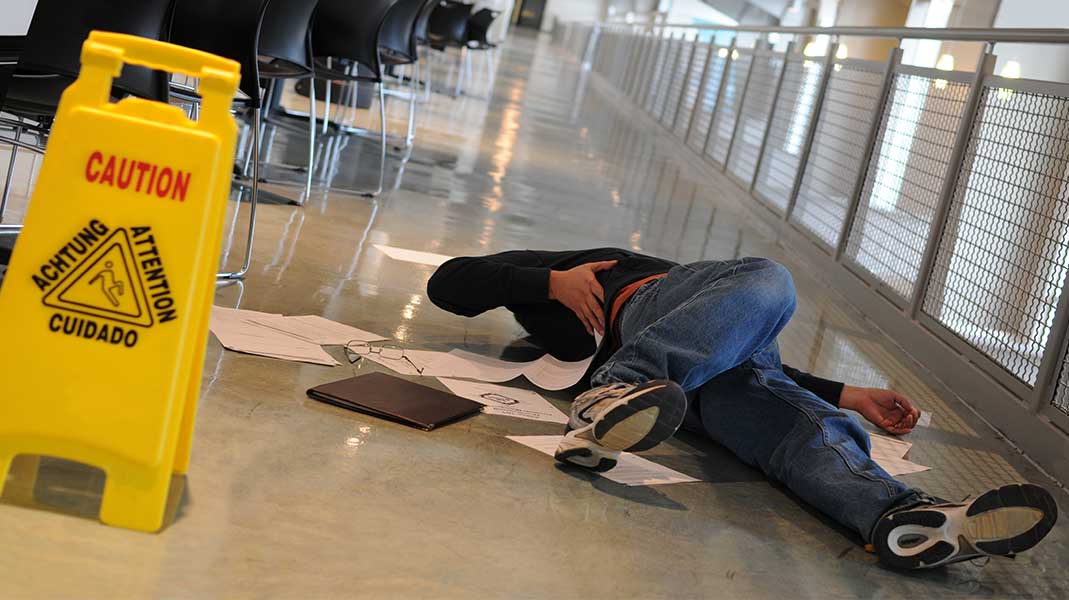
Slip and fall accidents can happen anywhere, but when they occur in bustling areas like the Bronx or other parts of New York City, navigating the legal process can get complicated. While these cases may seem straightforward, the location of the incident plays a significant role in determining how claims are handled.
Laws and regulations governing slip and fall claims can vary between the Bronx and the broader NYC area. Factors like property ownership, local ordinances, and court procedures often influence the outcome of these cases. Understanding these differences is key to building a strong claim and securing fair compensation.
Local Ordinances That Affect Liability Standards
Liability for slip and fall claims depends on compliance with local ordinances, differing between the Bronx and other parts of NYC. These ordinances outline property owner responsibilities for sidewalk and premise maintenance, affecting the outcome of claims.
In the Bronx, strict enforcement of regulations like snow and ice removal increases the liability for property owners. Bronx property laws often require hazards to be addressed within a specific timeframe. Noncompliance can demonstrate negligence in legal proceedings.
In NYC, broader ordinances, including the Administrative Code §7-210, assign sidewalk maintenance to adjacent property owners. This law applies uniformly but varies in enforcement based on borough-specific trends. For instance, NYC’s higher focus on public safety-related ordinances may prioritize repairs to heavily trafficked areas.
Local court interpretations also influence enforcement. Bronx courts may exhibit stricter scrutiny on compliance with ordinances, while other NYC courts might emphasize differing factors in liability determination. These nuances significantly impact the success rates of claims handled by legal professionals like an NYC Slip and Fall Attorney.
Private Property vs. Public Premises Injury Handling
In slip and fall claims, liability differs based on whether the injury occurs on private property or public premises in the Bronx and NYC. Property ownership and maintenance responsibility directly influence legal obligations and the success of claims.
Private Property Injuries
Private property owners in both the Bronx and NYC have a duty to maintain a safe environment for lawful visitors. In cases involving private property in the Bronx, courts frequently scrutinize whether owners adhered to strict local regulations, including timely snow and ice removal or repair of known hazards. For example, a landlord failing to fix damaged flooring despite notice may face increased liability. NYC applies the Administrative Code §7-210 to determine sidewalk maintenance responsibilities for adjacent property owners, which may impact private property claims near public pathways.
Public Premises Injuries
Public entities, like the City of New York, handle premises managed by government agencies or departments. Claims against public premises often encounter additional procedural steps, including filing a notice of claim within 90 days under General Municipal Law. Bronx courts may apply rigorous interpretation of negligence in these cases, ensuring timely hazard remediation. Public premises claims also rely heavily on evidence, such as surveillance footage or weather records, to establish government negligence.
Legal professionals, such as an NYC Slip and Fall Attorney, often explore detailed evidence and case-specific statutes to strengthen claims based on jurisdiction and the type of property involved. Explore now how understanding these distinctions can shape your approach to injury compensation.
Jurisdictional Variations in Case Precedents
Case precedents in slip and fall claims vary between the Bronx and other NYC jurisdictions due to differing judicial interpretations and historical rulings. Courts in the Bronx tend to apply stricter legal scrutiny in negligence evaluations, often emphasizing regulatory compliance, such as snow and ice removal timelines under local ordinances. These practices increase property owner accountability. For example, failure to address known hazards within mandated timeframes can strongly support negligence claims.
In contrast, NYC courts outside the Bronx typically adopt a broader approach, often balancing property owner obligations with contributory negligence from claimants. This distinction impacts legal strategies, as an NYC Slip and Fall Attorney must adapt arguments to each borough’s judicial tendencies, whether relying on maintenance records or disproving contributory fault.
The burden of proof also differs slightly based on jurisdiction-specific case law. Bronx courts frequently demand concrete evidence, such as weather reports or surveillance footage, to validate liability claims. Conversely, some NYC courts may give more weight to circumstantial evidence, such as witness statements. Understanding these variations in precedent is crucial for tailoring effective legal strategies across boroughs.
Common Evidence Issues in Bronx Slip and Fall Claims
Property maintenance records often play a key role in Bronx slip and fall claims. Bronx courts frequently examine whether property owners kept repair logs, inspection documentation, or routine maintenance schedules. Missing or incomplete records can suggest negligence, especially if hazards, like broken stairs or icy sidewalks, were left unaddressed.
Surveillance footage is critical in many Bronx cases. Courts rely heavily on video evidence to confirm the existence of hazards, determine how long they remained unaddressed, and establish whether the property owner was aware of the condition. Footage captured near the time of the accident can greatly influence outcomes.
Weather reports are widely used in cases involving outdoor hazards. Accidents caused by snow or ice often require proof of weather conditions at the time of the incident and evidence that the property owner failed to comply with local cleanup regulations. Bronx courts may demand detailed snow removal timelines to validate claims of negligence.
Witness testimonies significantly affect a claim’s strength. Statements from individuals who saw the hazardous condition or the fall itself can corroborate the claimant’s account. Bronx courts often scrutinize the credibility and consistency of these accounts more than other NYC jurisdictions.
Photographic evidence supports claims by documenting hazardous conditions immediately after the incident. Clear images illustrating the defect or hazard, such as uneven sidewalks or wet floors, can reduce the likelihood of disputes over liability.
Expert analyses can be required in complex cases. Professionals such as engineers may testify regarding building code violations, property safety standards, or design flaws. Bronx courts particularly value detailed evaluations linking a condition to negligence under local property codes.
NYC Slip and Fall Attorneys often explore every available form of evidence in Bronx cases, given the borough’s stricter standards of scrutiny.
Defense Tactics Often Used in Urban Fall Cases
Defense strategies in slip and fall cases often aim to minimize property owner liability or shift blame to the injured party. In urban areas like the Bronx and NYC, these tactics tend to leverage jurisdiction-specific elements.
- Disputing Hazard Existence
Defendants frequently argue that hazardous conditions were non-existent or not dangerous enough to warrant action. They may present maintenance logs or recent inspection records as evidence of proper care. In NYC Slip and Fall claims, this tactic often hinges on sidewalk maintenance under Administrative Code §7-210.
- Challenging Victim’s Credibility
Defense teams often focus on inconsistencies in the claimant’s account to undermine credibility. Contradictory statements, exaggerated accounts, or missing injury documentation can weaken a claim. Bronx courts tend to scrutinize witness testimonies and claimant recollections more rigorously than other NYC boroughs.
- Blaming Contributory Negligence
Property owners may claim the injured party contributed to the fall. Common arguments include distractions, inappropriate footwear, or ignoring warning signs. NYC courts outside the Bronx often weigh claimant negligence against property owner obligations, while Bronx courts emphasize regulatory compliance.
- Highlighting Compliance with Local Laws
Defendants often reference adherence to local ordinances to negate claims of negligence. For example, they may argue timely snow removal under Bronx deadlines or sidewalk repairs in compliance with NYC regulations. Evidence such as weather records or repair completion dates often supports these claims.
- Questioning Timeliness of Claims
In cases against public entities, defendants frequently challenge procedural compliance, such as filing notices of claim within 90 days under General Municipal Law. In the Bronx, where courts apply strict legal scrutiny, failing to meet these deadlines can result in case dismissal.
Defense tactics often depend on property type, local laws, and claim specifics. Legal professionals, such as an NYC Slip and Fall Attorney, explore counterarguments to establish liability despite these strategies.
Reporting and Documentation Differences by Borough
Slip and fall claims in the Bronx and NYC underscore the importance of understanding borough-specific legal nuances. From stricter scrutiny in Bronx courts to varying liability standards across NYC, these differences shape how claims are managed and resolved. Effective reporting, thorough documentation, and tailored legal strategies are crucial for navigating these distinctions. Working with experienced legal professionals ensures claimants are better equipped to handle the complexities of local laws and maximize their chances of fair compensation.
