

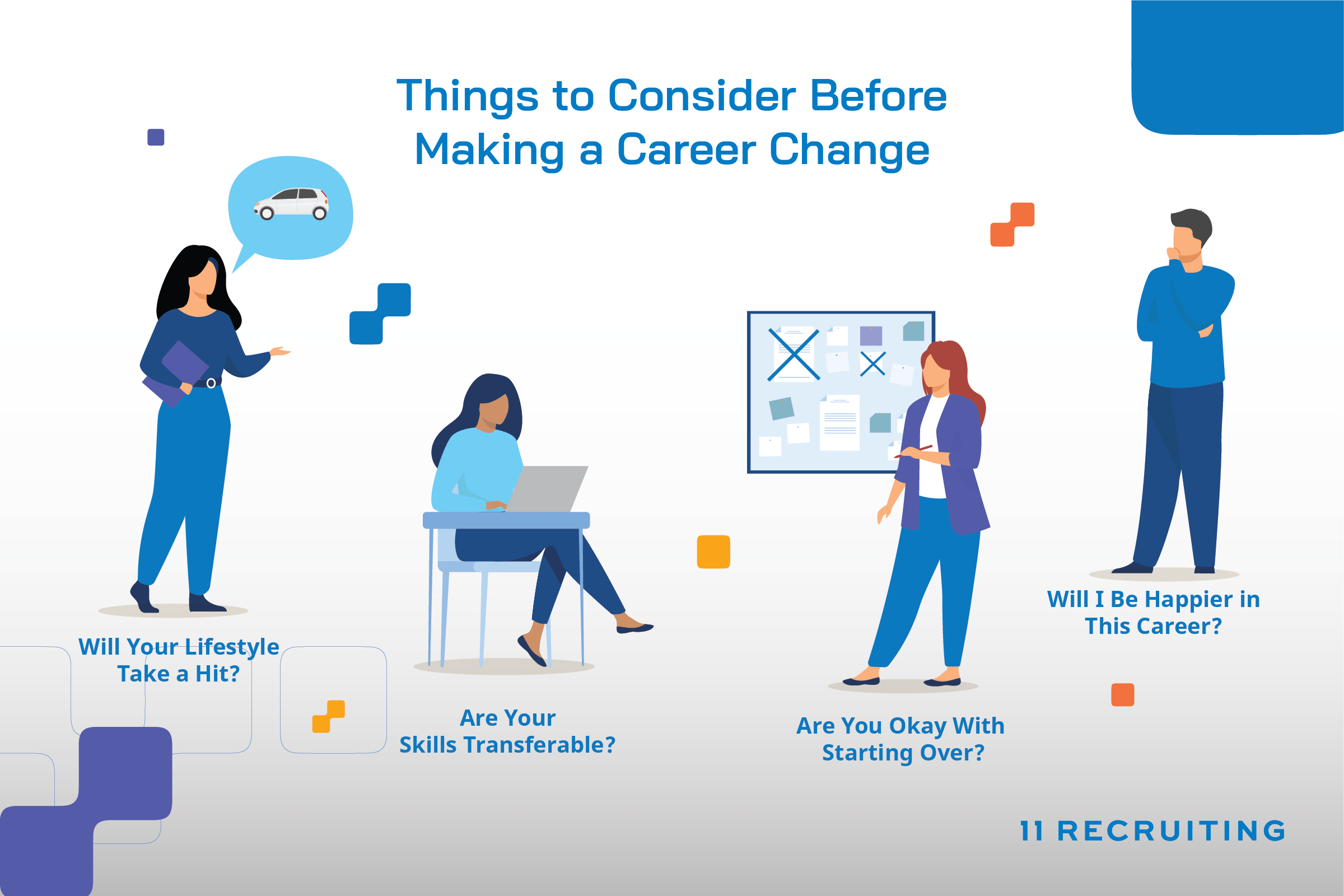
Changing careers is a big decision. Whether you’re feeling burnt out, uninspired, or just ready to try something new, making a move is no small decision. The good news is that countless professionals have made bold shifts and found success on the other side. But how do you make the leap without losing your mind—or your footing? Here’s how to chart a new course without stumbling, from sharpening your skills to stepping into entirely new fields.
Should You Go for an MBA or Just Wing It?
If you’ve ever wondered whether an MBA is worth your time and money, you’re not alone. There’s no denying that top executives are increasingly leaning toward earning their MBAs to level up their careers. But here’s the twist—many of them aren’t leaving their jobs or shelling out for traditional, on-campus programs. Instead, they’re opting for online MBAs for career growth.
The flexibility and convenience of different online programs make them accessible even to those already juggling leadership roles. You get to upgrade your skills without pressing pause on your professional life. Plus, these programs are designed with the realities of modern business in mind, covering topics like data analytics, leadership strategy, and financial management.
What it Takes to Make it as a Consultant
If you’ve ever thought about breaking away from the nine-to-five grind, consulting might just be the fresh start you’re looking for. Gone are the days when consulting was reserved solely for those with decades of experience or a string of high-profile roles. These days, entry-level consulting jobs are within reach for ambitious professionals who have the right mix of skills and determination.
Consulting is about way more than just giving advice—it’s about bringing fresh perspectives and targeted solutions to businesses that need them. And the best part? You don’t have to be a seasoned pro to get started. Many firms are actively recruiting entry-level consultants who have the willingness to learn and a knack for problem-solving.
If you’re considering a switch, start by building expertise in your chosen field. This could mean gaining certifications, diving into industry reports, or simply brushing up on skills that are in demand. You can also boost your profile by demonstrating your analytical abilities, communication prowess, and capacity to handle client relationships.
Benefits of Professional Certifications
When you’re making a career shift, getting certified in your chosen field can be the difference between feeling stuck and moving forward with confidence. Think of certifications as a fast track to mastering the skills you need to break into a new industry. They show employers that you’re serious about professional growth and willing to invest in your own success.
Certifications can be particularly valuable if you’re transitioning into fields like project management, data analysis, or digital marketing. They give you tangible proof of your abilities and make it easier to land interviews and job offers. But here’s the thing—don’t just grab any certification that comes your way. Be selective. Look for programs that are respected within the industry and provide practical, hands-on training.
Networking is Really Worth the Effort
If you’re hoping to make a big career move, networking might seem like an obvious but daunting step. It can feel awkward or even uncomfortable, but building connections is crucial when you’re looking to change lanes professionally. The trick is to approach it as relationship-building rather than just asking for favors.
Start with the connections you already have—former colleagues, classmates, or industry peers. Let them know about your plans and see if they can introduce you to someone in your target field. When reaching out to new contacts, don’t lead with your needs. Instead, be genuinely curious about their experiences and perspectives. Ask thoughtful questions, share insights of your own, and focus on creating meaningful interactions.
Make Your Resume Shine Without Sounding Desperate
One of the trickiest parts of a career change is presenting yourself in a way that feels both genuine and confident. Your resume should tell a story—not just list your past jobs. Highlight the skills and experiences that make you a great fit for your new path, even if they come from a different industry.
Consider including a career summary at the top that briefly explains your journey and what you’re aiming to achieve. This sets the stage for recruiters and helps them understand your narrative right away. Then, focus on accomplishments rather than duties. Quantify your successes whenever possible—whether it’s increasing revenue, managing a large team, or completing projects on time and under budget.
