

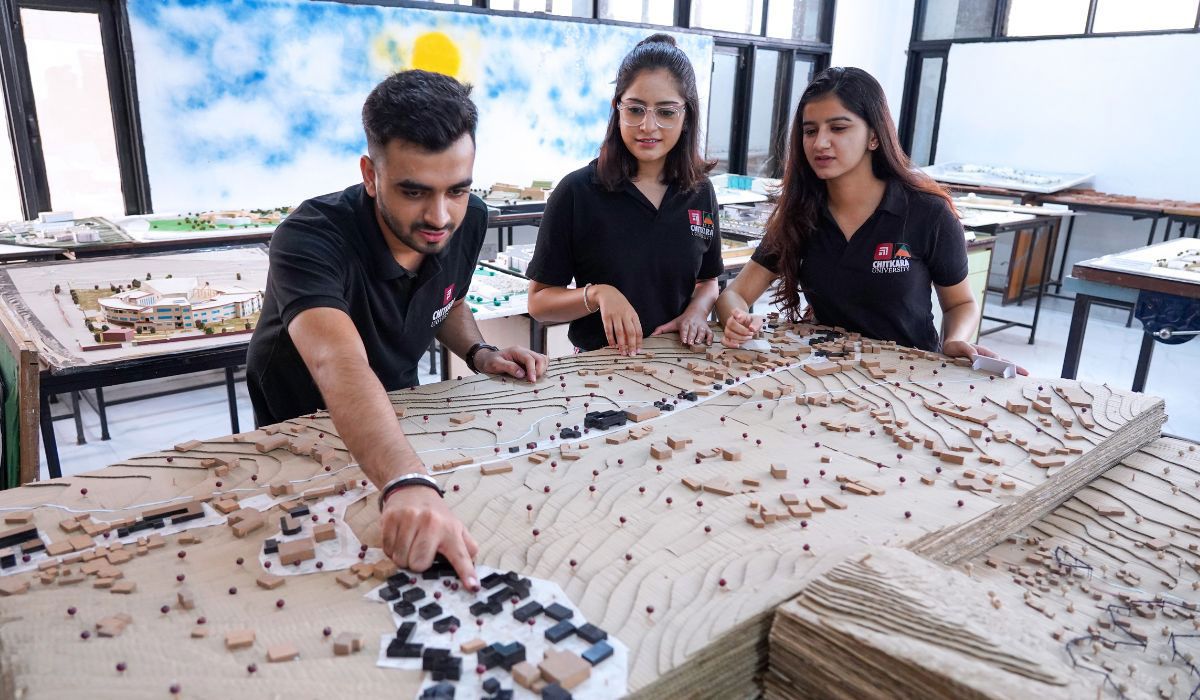
Urban planning and development are the bedrock of modern civilization, shaping the way cities evolve and thrive. At the heart of this transformation lies construction — the practical execution of plans, ideas, and visions that breathe life into urban landscapes. From towering skyscrapers to sustainable housing and expansive infrastructure networks, construction plays an indispensable role in driving the economic, social, and environmental progress of cities.
Building the Foundation of Urban Growth
Construction serves as the operational arm of urban planning, translating blueprints into tangible structures. Urban planning identifies the need for infrastructure, such as roads, bridges, schools, hospitals, and housing, but it is through construction that these ideas materialize.
For instance, the development of transportation networks such as highways, metro systems, and pedestrian pathways allows cities to expand efficiently, connect communities, and enhance mobility. Without construction, urban planners’ ideas would remain theoretical frameworks without any impact on the real world.
Facilitating Economic Development
The construction industry is a major driver of economic growth. Its role in creating jobs, boosting local businesses, and stimulating ancillary industries such as steel, cement, and real estate cannot be overstated. A well-executed urban development project attracts investments, increases property values, and fosters economic activities that uplift communities.
For example, the development of a mixed-use urban space—comprising residential, commercial, and recreational facilities—can catalyze economic growth. Businesses flourish in newly constructed shopping centers, while residential projects attract professionals, creating a virtuous cycle of prosperity.
Enabling Sustainable Urban Development
In the face of climate change and resource scarcity, construction must align with sustainable practices. Urban planning increasingly prioritizes sustainability, focusing on minimizing environmental impacts while maximizing resource efficiency. Green construction techniques, such as energy-efficient buildings, water recycling systems, and the use of eco-friendly materials, play a crucial role in achieving these goals.
For example, constructing LEED-certified (Leadership in Energy and Environmental Design) buildings reduces carbon footprints and encourages environmentally responsible development. Sustainable urban planning initiatives, like smart cities, heavily rely on construction to deliver their promises of energy-efficient and technologically advanced spaces.
Addressing Urban Challenges Through Smart Construction
Rapid urbanization presents challenges such as housing shortages, traffic congestion, and inadequate infrastructure. Construction, guided by innovative urban planning, offers solutions to these issues. High-density housing, vertical construction, and modular building techniques address the demand for affordable housing while optimizing land use in crowded cities.
Additionally, construction innovations such as prefabrication, 3D printing, and advanced construction materials enable faster and cost-effective solutions to urban challenges. For instance, prefabricated housing units can significantly reduce the time required to provide shelter in rapidly growing urban areas.
Streamlining Urban Projects with Design-Build Construction
Design-build construction is transforming the way urban development projects are executed by merging the design and construction phases under a single entity. This approach eliminates the traditional divide between architects and contractors, fostering collaboration and improving efficiency. Urban projects, such as large-scale housing developments or smart city initiatives, benefit significantly from this method as it reduces delays, controls costs, and ensures cohesive execution.
For instance, in the development of multi-functional urban spaces, design-build teams work together from the start to balance aesthetic vision with practicality, meeting both community needs and environmental standards. This integrated approach is becoming increasingly popular in urban planning, as cities aim for faster, more sustainable, and cost-effective development solutions.
Enhancing Quality of Life
Construction directly influences the quality of life for urban residents. Public spaces such as parks, cultural centers, and sports facilities contribute to the social and cultural fabric of cities. Hospitals, schools, and housing developments provide essential services, ensuring that communities are well-equipped to thrive.
For instance, the construction of pedestrian-friendly spaces and bike lanes promotes healthier lifestyles and reduces dependence on vehicles, leading to cleaner air and improved well-being.
Preserving Cultural Heritage
While construction is often associated with modernization, it also plays a critical role in preserving cultural heritage. Urban planning incorporates heritage conservation by identifying and protecting historical sites, and construction ensures that restoration and preservation efforts maintain the authenticity of these landmarks.
For example, restoring ancient monuments or repurposing old industrial buildings into museums or art galleries ensures that cities retain their unique identity while adapting to contemporary needs.
The Intersection of Technology and Construction in Urban Development
The integration of technology in construction has revolutionized urban planning and development. Smart construction practices, powered by technologies such as Building Information Modeling (BIM), drones, and IoT (Internet of Things), enable efficient project management, cost reduction, and real-time monitoring.
Smart cities, a prominent trend in urban development, depend heavily on construction that is equipped with technological advancements. Sensors embedded in buildings, smart traffic management systems, and the installation of specialty cables to support high-speed data transmission and complex power grids are all part of the technological evolution shaping modern urban landscapes.
Challenges in Urban Construction
While construction is a pillar of urban development, it is not without challenges. Budget constraints, regulatory hurdles, environmental concerns, and community resistance are common obstacles faced by the construction industry. Addressing these issues requires collaboration between urban planners, construction professionals, policymakers, and communities.
For example, excessive construction in ecologically sensitive areas can lead to environmental degradation. Urban planners and construction teams must work together to ensure that development projects are sustainable and harmonious with the natural environment.
The Way Forward: A Collaborative Approach
The future of urban development lies in collaboration. Urban planners, architects, engineers, construction firms, and policymakers must work in tandem to create cities that are sustainable, inclusive, and resilient. Public-private partnerships (PPPs) and community engagement are essential for ensuring that construction projects align with the needs and aspirations of urban residents.
Investing in education and skill development for construction professionals is also critical. As urban challenges evolve, so must the capabilities of those tasked with building the cities of tomorrow.
Conclusion
Construction is the cornerstone of urban planning and development, transforming visions into reality. From addressing housing demands to building sustainable infrastructure and enhancing quality of life, its impact permeates every facet of urban living. As cities continue to grow, the role of construction in shaping a better future becomes even more significant.
The synergy between innovative urban planning and efficient construction is essential for creating cities that are not only functional but also vibrant and inclusive. By embracing sustainable practices, leveraging technology, and fostering collaboration, construction will continue to pave the way for urban progress, ensuring that cities remain dynamic hubs of opportunity and growth.
