

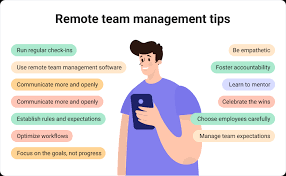
Managing remote teams, especially when working with outsourced resources, presents a unique set of challenges and opportunities. As globalization continues to expand the talent pool, many organizations are turning to remote teams in countries like Vietnam to leverage specialized skills and cost efficiencies.
However, effectively managing these teams requires a nuanced approach, especially when dealing with cultural differences and communication barriers.
This article explores key strategies for managing remote teams, with a focus on outsourcing to Vietnam, and provides actionable advice for project managers and product owners.
The Evolving Landscape of Remote Work
Remote jobs have evolved significantly, with technology enabling teams to collaborate across vast distances. Outsourcing has become a common practice, allowing companies to tap into global talent pools and achieve competitive advantages. Vietnam, in particular, has emerged as a prominent destination for outsourcing, known for its skilled workforce, cost efficiency, and rapid technological advancements.
However, managing remote teams, especially those located in different cultural and geographical contexts, requires careful consideration. Effective management not only involves overseeing tasks and deliverables but also addressing the nuances of remote collaboration and cultural differences.
Key Strategies for Managing Remote Teams
1. Establish Clear Communication Channels
Effective communication is the cornerstone of successful remote team management. To ensure that all team members are on the same page, project managers should establish clear communication channels and protocols. This includes:
– Choosing the Right Tools: Use reliable communication tools such as Slack, Microsoft Teams, or Zoom for real-time messaging and video calls. Ensure that all team members are comfortable with these tools and know how to use them effectively.
– Regular Check-ins: Schedule regular meetings to discuss progress, address issues, and provide feedback. These can include daily stand-ups, weekly reviews, or bi-weekly strategy sessions, depending on the project’s needs.
– Document Everything: Maintain thorough documentation of meetings, decisions, and project updates. This helps in keeping everyone informed and provides a reference point for future discussions.
2. Set Clear Expectations and Goals
Clarity in expectations and goals is crucial for remote teams to function efficiently. Project managers should:
– Define Roles and Responsibilities: Clearly outline each team member’s role, responsibilities, and deliverables. This helps prevent overlaps and ensures accountability.
– Create Detailed Project Plans: Develop comprehensive project plans with specific milestones, deadlines, and performance metrics. Use project management tools like Asana, Trello, or Jira to track progress and manage tasks.
– Provide Detailed Briefs: When assigning tasks, provide detailed briefs that include objectives, deliverables, and any relevant context. This minimizes misunderstandings and sets clear standards for quality.
3. Foster a Collaborative and Inclusive Culture
Building a collaborative and inclusive team culture is essential, especially when managing remote teams across different cultures. To foster a positive team environment:
– Encourage Team Interaction: Promote team bonding through virtual team-building activities, informal chat channels, or collaborative projects. This helps in building rapport and camaraderie among team members.
– Be Mindful of Time Zones: Schedule meetings and deadlines considering the time zones of all team members. Use tools like World Time Buddy to find suitable meeting times and avoid scheduling conflicts.
– Celebrate Successes: Recognize and celebrate individual and team achievements. This can include shout-outs during meetings, virtual awards, or team celebrations to boost morale and motivation.
4. Address Cultural Differences
Cultural differences can significantly impact remote team dynamics and productivity. When working with teams in Vietnam or any other country, consider the following:
– Understand Local Culture: Gain insights into Vietnamese culture, work practices, and communication styles. For instance, Vietnamese culture values hierarchy and respect for authority, which may influence how feedback is received and acted upon.
– Adapt Communication Styles: Be aware of differences in communication styles. In Vietnam, indirect communication is often preferred, and feedback may be given in a more subtle manner. Adapt your communication style to be respectful and considerate of these preferences.
– Provide Cultural Training: Offer cultural training to your team to enhance understanding and reduce potential friction. This can include workshops or resources on cultural norms and practices.
5. Ensure Access to Resources and Support
Providing your remote team with the necessary resources and support is crucial for their success. This includes:
- Technical Support: Ensure that all team members have access to the required technology, software, and technical support. Address any technical issues promptly to prevent disruptions.
- Training and Development: Offer opportunities for training and development to help team members improve their skills and stay updated with industry trends. This can include online courses, webinars, or access to industry publications.
- Provide Feedback and Guidance: Regularly provide constructive feedback and guidance to help team members improve and align with project goals. Offer support and resources to help them overcome any challenges they may face.
Case Study: Managing a Remote Team in Vietnam
Vietnam has become a popular outsourcing destination due to its skilled workforce, cost advantages, and growing technological capabilities. Managing a remote team in Vietnam involves some specific considerations:
1. Emphasize Relationship Building
In Vietnamese culture, building strong personal relationships is important for successful business interactions. Take the time to understand your team members, show genuine interest in their well-being, and foster a sense of trust and respect.
2. Adapt to Hierarchical Structures
Vietnamese business culture often emphasizes hierarchy and respect for seniority. Ensure that communication and decision-making processes acknowledge this hierarchy. Be clear about who the decision-makers are and respect the established chain of command.
3. Address Language Barriers
While English proficiency is increasing in Vietnam, language barriers may still exist. Use clear and simple language in your communications and provide written documentation to support verbal instructions. Consider using translation tools or services if necessary.
4. Be Patient and Flexible
Cultural differences can sometimes lead to misunderstandings or delays. Approach such situations with patience and flexibility. Provide clear explanations and be willing to adjust your approach to accommodate cultural nuances.
Conclusion
Managing remote teams, especially when outsourcing to countries like Vietnam, requires a thoughtful and strategic approach. By establishing clear communication channels, setting defined expectations, fostering a collaborative culture, addressing cultural differences, and providing necessary resources, project managers and product owners can effectively lead their remote teams to success.
Understanding and adapting to the cultural context of your remote team is crucial for building strong working relationships and achieving project goals. By leveraging the strengths of a diverse and global workforce, organizations can drive innovation and achieve competitive advantages in today’s dynamic business environment.
