

Businesses in today’s globalised economy greatly depend on their suppliers to provide high-quality products and services on time. Achieving targeted business goals as well as preserving a smooth operational flow depend on effective supplier performance management. This post explores five key areas of supplier performance management that all organisations need to know about.
1. Setting Clear Performance Metrics
Effective supplier performance management starts with clearly defined performance metrics. It establishes the framework for impartial evaluation as well as ongoing progress. Businesses can make sure that their supplier relationships are focused on accomplishing overarching company goals by matching these indicators with the organisation’s strategic objectives.
Metrics of quality are crucial for assessing if the products or services being provided meet the criteria. Customer satisfaction scores, defect rates, and product dependability all offer important information about how good the supplier’s products are. By monitoring these measures, organisations can collaborate with suppliers to improve the quality of their products or services by identifying areas that require quality improvements.
Delivery metrics are equally important because they evaluate a supplier’s capacity to fulfil delivery commitments. Common indicators that are monitored by businesses include lead times, order fulfilment cycle times, and on-time delivery percentages. Meeting customer needs and preserving smooth operations depend on timely delivery. Businesses can find supply chain bottlenecks as well as collaborate with suppliers to enhance delivery performance along with reducing operations by monitoring these data.
2. Implementing Effective Monitoring and Reporting
It is imperative for businesses to establish efficient monitoring and reporting procedures in order to fully harness the potential of performance indicators within supplier performance management. Even the most precise measures lose their relevance in the absence of regular tracking and analysis.
For a thorough grasp of supplier performance, data collection along with analysis from a variety of sources, including supplier scorecards, quality control reports, and procurement systems, are essential. Making educated judgements, recognising trends, and identifying possible problems all depend on this data.
Organisations should use automated technologies for data gathering as well as reporting to streamline this process. These tools can minimise errors, drastically cut down on manual labour, and give real-time insight into supplier performance. Enterprise resource planning (ERP) along with supply chain management (SCM) platforms are examples of current systems that can be integrated with these tools to guarantee a smooth data flow, break down data silos, and provide a comprehensive picture of supplier performance.
3. Fostering Collaborative Supplier Relationships
Establishing collaborative relationships with key vendors is an essential element of effective supplier performance management. It is not only the measure and evaluation of any indicator functionality but also implies actively interacting with suppliers to support further growth, providing beneficial outcomes for both parties.
‘We’ve got a great working relationship here, and it’s all based on being able to talk openly.’ Communication channels should be open between organisations and suppliers to enable sharing of challenges, insights or improvement theories. Rooms for open communication that promotes more openness and confidence between the company, its suppliers are also available during frequent meetings, feedback sessions and supplier events.
Collaborative supplier relationships also include cooperative improvement projects. Through tight collaboration with suppliers, businesses can pinpoint areas in need of enhancement and launch collaborative efforts to tackle them. Process optimisation, cost-cutting techniques, quality-improvement plans, as well as sustainability projects are some examples of these activities. By working together, both sides may take advantage of their special talents and areas of experience, which results in more creative ideas in addition to shared accountability for the process of progress.
4. Integrating Risk Management
In order to remain resilient and insulate themselves against unforeseen disruptions, organisations will have no choice but to include elements of risk management into their supplier performance management. Natural catastrophes, geopolitical uncertainty, economic instability and more can all severely impact supplier performance and the safety of supply chains.
The details involved in these include the steps of risk assessment and identification. To mitigate potential risks, organisations should assess and understand each supplier well in advance considering geographic location of the supplier, number of suppliers at source end-supplier chain while also evaluating financial stability, capabilities and geopolitical environments where they operate. Conducting a thorough risk assessment also helps organisations identify potential weaknesses and prepare backup plans, and mitigate strategies.
Diversifying your suppliers is another smart way to manage risks. Organisations can lessen the effects of localised interruptions by expanding their supplier base along with becoming less dependent on a particular supplier or geographic area. The presence of substitute sourcing alternatives guarantees uninterrupted business operations in the case of a disruption connected to suppliers, hence mitigating the adverse effects on business continuity.
5. Leveraging Technology and Data Analytics
Utilising technology and data analytics have become crucial for efficient supplier performance management in today’s data-driven economy. Cutting-edge technologies and analytical tools can help organisations enhance their supplier relationships and boost operational efficiency by automating processes, supporting data-driven decision-making, along with offering insightful information.
Purchasing specialised software for supplier performance management is an essential first step. These software programmes create a centralised platform for data management by combining data from multiple sources, including supplier scorecards, quality control reports, and procurement systems. Organisations can efficiently manage and monitor supplier performance thanks to their automation of reporting processes in addition to real-time visibility into supplier performance measures.
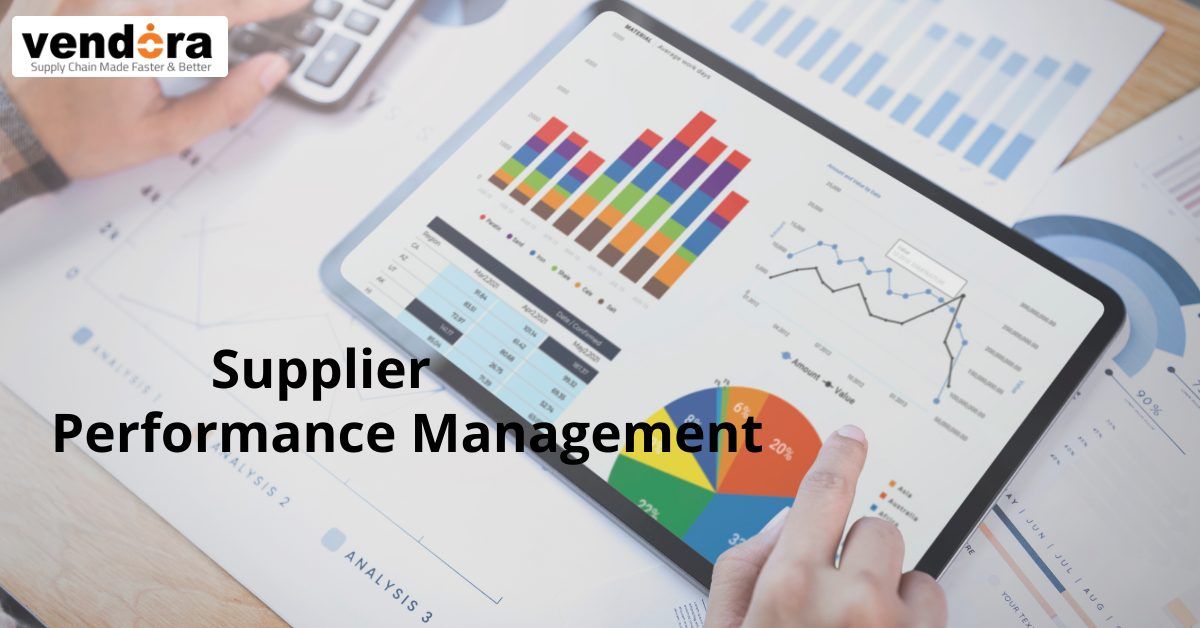
Tools for data analytics and visualisation are yet another effective resource for businesses. Through the utilisation of these technologies, companies can detect patterns, discern trends, in addition to acquiring a more profound understanding of supplier performance data. Advanced data visualisation methods, such interactive reports along with dashboards, may display complicated data in an understandable way, improving decision-making and helping businesses maximise their supplier connections.
Conclusion
The request for quote software along with performance management is a key part of supply chain management; it directly influences an organisation’s ability to deliver high-quality goods & services to its customers. Unambiguous performance metrics, efficient monitoring and reporting procedures, the cooperative supplier relationships, the risk management tactics and technology analytics enable organisations to improve their supplier relations and mitigate risks to realise continuous improvement.
