


Anterior cruciate ligament (ACL) tears are common knee injuries that can occur during sports activities, accidents, or sudden twisting motions of the knee. In Singapore, ACL tear surgery is a commonly performed procedure to repair or reconstruct the damaged ligament and restore stability and function to the knee joint. In this comprehensive guide, we’ll explore the causes, symptoms, diagnosis, surgical options, recovery process, and rehabilitation strategies for ACL tear surgery in Singapore.
Understanding ACL Tears
The anterior cruciate ligament (ACL) is one of the major ligaments in the knee joint, responsible for providing stability and preventing excessive forward movement of the shin bone (tibia) relative to the thigh bone (femur). ACL tears can occur when the ligament is stretched, torn, or injured due to sudden impact, twisting, or hyperextension of the knee. In cases where ACL tears require medical intervention, individuals may opt for ACL tear surgery Singapore to address the injury effectively. Common causes of ACL tears include sports injuries, such as pivoting, cutting, or landing awkwardly, as well as traumatic accidents or falls.
Diagnosis of ACL Tears
ACL tears are typically diagnosed through a combination of medical history, physical examination, and imaging studies. During the physical examination, the healthcare provider will assess the stability, range of motion, and integrity of the knee joint, as well as perform special tests, such as the Lachman test or anterior drawer test, to evaluate ACL laxity. Imaging studies, such as magnetic resonance imaging (MRI) or X-rays, may be ordered to confirm the diagnosis, assess the extent of the injury, and evaluate for associated injuries, such as meniscal tears or cartilage damage.
Surgical Options for ACL Tears
Surgical treatment options for ACL tears in Singapore may include:
ACL Repair: In some cases, particularly for partial tears or proximal tears of the ACL, arthroscopic ACL repair may be performed to reattach the torn ligament to its original insertion point using sutures or anchors. ACL repair is typically recommended for acute injuries with good tissue quality and sufficient blood supply to support healing.
ACL Reconstruction: For complete or complex ACL tears, ACL reconstruction surgery may be recommended to replace the damaged ligament with a graft from another part of the body, such as the patellar tendon, hamstring tendon, or quadriceps tendon. ACL reconstruction restores stability and function to the knee joint by creating a new ligament that functions similarly to the native ACL.
ACL Tear Surgery Procedure
ACL tear surgery is typically performed arthroscopically, using minimally invasive techniques that involve small incisions and specialized instruments. During the procedure, the surgeon will use an arthroscope, a thin, flexible camera, to visualize the inside of the knee joint and assess the extent of the ACL injury. Depending on the surgical approach chosen (repair or reconstruction), the surgeon will then proceed to repair the torn ligament or reconstruct the ACL using the selected graft material. The graft is secured in place using screws, sutures, or fixation devices, and the incisions are closed with sutures or surgical staples.
Recovery Process After ACL Tear Surgery
The recovery process following ACL tear surgery in Singapore typically involves the following phases:
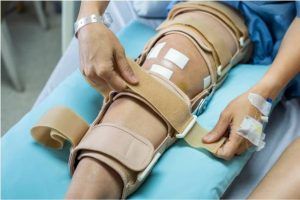
Immediate Postoperative Period: After surgery, patients are monitored in the recovery room until they are fully awake and alert. Pain medication and anti-inflammatory drugs may be prescribed to manage pain and swelling. Patients are instructed to use crutches and wear a knee brace to protect the surgical site and promote healing.
Early Rehabilitation: In the days and weeks following surgery, patients begin early rehabilitation exercises, including gentle range of motion exercises, muscle strengthening exercises, and proprioceptive training. Physical therapy sessions are initiated to restore knee function, improve mobility, and prevent complications such as stiffness or muscle atrophy.
Intermediate Rehabilitation: As the knee heals and strength improves, physical therapy progresses to more advanced exercises, such as agility drills, balance training, and functional activities. Patients may gradually return to weight-bearing activities, such as walking, stationary biking, or swimming, under the guidance of their physical therapist or surgeon.
Late Rehabilitation: In the final stages of rehabilitation, patients focus on sport-specific exercises, neuromuscular training, and plyometric activities to prepare for a safe return to sports or activities. Emphasis is placed on improving agility, power, and endurance while minimizing the risk of reinjury or complications.
Rehabilitation Strategies After ACL Tear Surgery
Rehabilitation strategies for ACL tear surgery in Singapore may include:
Physical Therapy: Participate in a structured physical therapy program tailored to your individual needs and goals. Physical therapists will guide you through exercises to improve strength, flexibility, balance, and coordination, as well as provide hands-on manual therapy and modalities to manage pain and swelling.
Home Exercise Program: Follow a home exercise program prescribed by your physical therapist or surgeon to complement in-clinic therapy sessions. Perform exercises regularly and adhere to the prescribed frequency, intensity, and duration to maximize recovery and achieve optimal outcomes.
Bracing and Support: Use a knee brace or support device as directed by your surgeon or physical therapist to provide stability and protection for the knee joint during the recovery process. Gradually wean off the brace as strength and stability improve and under the guidance of your healthcare provider.
Activity Modification: Modify activities or sports that place excessive stress on the knee joint, such as running, jumping, or cutting movements, during the early stages of recovery. Gradually reintroduce activities as tolerated and progress based on your individual recovery timeline and functional milestones.
Patient Education: Educate yourself about ACL tear surgery, rehabilitation principles, and injury prevention strategies to optimize your recovery and minimize the risk of re-injury. Follow your healthcare provider’s instructions and guidelines for postoperative care, activity restrictions, and return-to-sport criteria.
Return to Activity After ACL Tear Surgery
The timeline for returning to sports or activities after ACL tear surgery in Singapore varies depending on individual factors, such as the extent of the injury, surgical technique, rehabilitation progress, and functional goals. In general, patients may expect the following milestones:
Early Phase (0-6 Weeks): During the initial phase of recovery, focus on controlling pain and swelling, restoring range of motion, and gradually increasing weight-bearing activities. Begin stationary biking or aquatic therapy as tolerated to maintain cardiovascular fitness and muscle conditioning.
Intermediate Phase (6-12 Weeks): Progress to more challenging exercises, such as dynamic strengthening, balance training, and proprioceptive exercises, to improve knee stability and function. Start sport-specific drills and activities under the guidance of your physical therapist or surgeon.
Late Phase (3-6 Months): Transition to sport-specific training, agility drills, and functional activities to prepare for a safe return to sports or activities. Gradually increase the intensity, duration, and complexity of training while monitoring for signs of fatigue, pain, or instability.
Return to Sport (6-12 Months): Achieve clearance from your surgeon or sports medicine specialist to return to full sports participation based on objective criteria, such as strength, stability, range of motion, and functional performance. Gradually reintegrate into sports activities, starting with non-contact drills and progressing to full participation as tolerated.
Seeking ACL Tear Surgery in Singapore
If you’ve experienced an ACL tear or knee injury and are considering surgery, it’s essential to consult with a qualified orthopaedic surgeon or sports medicine specialist in Singapore for proper evaluation and treatment recommendations. Your surgeon will assess the extent of the injury, review your medical history, discuss surgical options, and develop a personalized treatment plan tailored to your individual needs and goals. With advances in surgical techniques, rehabilitation protocols, and multidisciplinary care, ACL tear surgery in Singapore offers the opportunity for successful outcomes and a return to an active, healthy lifestyle for individuals with ACL injuries.
