

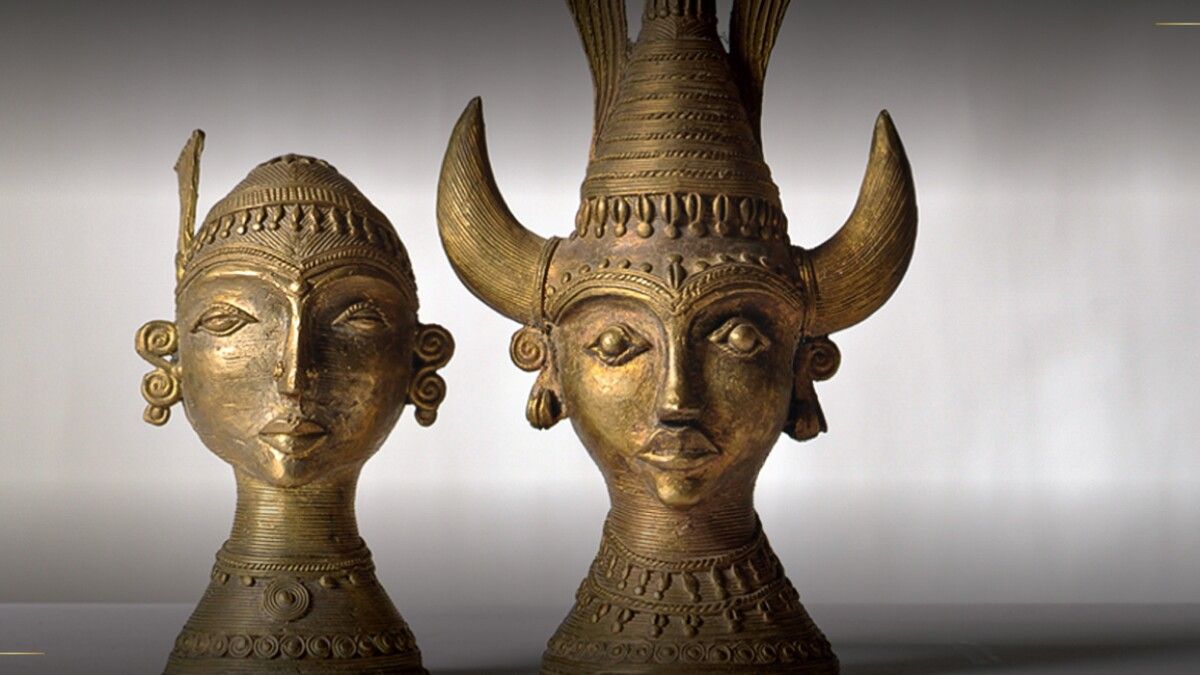
Brass casting is an age-old technique that transforms raw brass into intricate and durable objects. This ancient method has stood the test of time, evolving alongside advancements in technology while maintaining its fundamental principles. In this article, we delve into the fascinating world of brass casting, exploring the process, tools, and the artistry behind creating beautiful brass artifacts.
On the other hand, explore the newly established foundry for precision casting utilizes state-of-the-art technology to craft intricate metal components with unparalleled accuracy.
Understanding Brass Casting
Brass casting is a method of shaping molten brass into desired forms using molds. Brass, an alloy of copper and zinc, possesses unique qualities that make it a preferred material for casting. Its malleability, corrosion resistance, and appealing golden hue contribute to the popularity of brass in various industries, from art and jewelry to industrial components.
The Process
Pattern Creation:
The journey of brass casting begins with the creation of a pattern, a prototype of the intended object. Craftsmen can use various materials, such as wood or wax, to sculpt the pattern. This step is crucial as it determines the final design and details of the brass piece.
Mold Making:
Once the pattern is perfected, a mold is created around it. The mold can be made of sand or investment casting materials, depending on the complexity of the object. Sand molds are often used for simpler designs, while investment casting molds allow for intricate details in more elaborate pieces.
Melting the Brass:
With the mold prepared, the next step involves melting the brass. The brass is heated to its liquid form in a furnace, reaching temperatures exceeding 1,700 degrees Fahrenheit. This molten brass is then carefully poured into the mold, filling every cavity and contour of the pattern.
Cooling and Solidification:
Once the molten brass is poured, the mold is left to cool and the brass solidifies. This stage requires patience, as the cooling time ensures that the brass takes the exact shape of the pattern. The mold is then opened, revealing the rough casting.
Finishing Touches:
The rough casting undergoes various finishing processes to refine the final product. This includes removing excess material, polishing, and sometimes adding additional elements to enhance the aesthetics. Just as in Carbon steel castings; the craftsmanship involved in these finishing touches too truly brings out the beauty of the brass casting.
Artistry and Skill
Brass casting is not just a mechanical process; it is an art that requires skill and precision. The artisan’s expertise in creating patterns, choosing the right alloy ratios, and executing the casting process with finesse all contribute to the quality of the final product. Each step requires attention to detail and a deep understanding of the properties of brass.
Applications of Brass Casting
The versatility of brass casting makes it suitable for a wide range of applications. From creating intricate jewelry pieces and artistic sculptures to crafting functional components in industries like automotive and plumbing, brass casting plays a vital role in shaping our daily lives.
In conclusion, the art of brass casting is a fascinating blend of tradition and technology. From the initial pattern creation to the final finishing touches, every step in the process contributes to the creation of unique and enduring brass artifacts. Whether you appreciate the craftsmanship for its artistic value or rely on brass components in your daily life, the intricate process of brass casting continues to stand as a testament to human ingenuity and creativity.
