

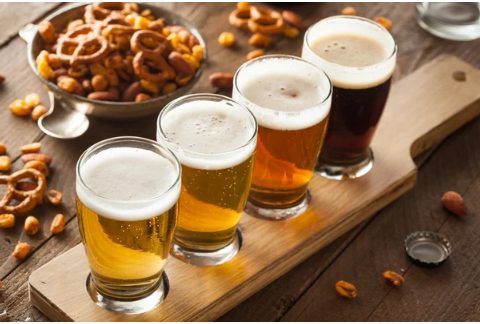
Craft beer’s history dates back thousands of years to ancient civilizations. However, the modern resurgence began in the 1970s, with American home brewers. This movement sparked worldwide interest, igniting the current craft beer revolution.
Craft beer refers to beer that is produced by a small, independent, and traditional brewery. The production of beer in Singapore is meticulously executed, emphasizing quality, flavour, and unique brewing techniques over mass production.
The importance of craft beer in the brewing industry is profound. It introduces variety and innovation, stimulates economic growth, attracts beer tourism, and fosters a strong culture of local entrepreneurship.
Understanding Craft Beer
Differences Between Craft and Commercial Beer
Craft beer is typically produced by small, independent breweries, emphasising quality, flavour, and brewing techniques. Commercial beer, on the other hand, is mass-produced, prioritizing cost-effectiveness, consistency, and broad market appeal.
Basic Ingredients Used in Craft Beer
Craft beer utilizes basic ingredients such as water, and malted grains predominantly barley, yeast for fermentation, and hops for flavour. Additional ingredients can include various fruits, spices, and other flavour enhancers.
The Craft Beer Brewing Process
The craft beer brewing process involves selecting and mixing high-quality grains, yeast, water and hops. This mix is then fermented, aged, and carbonated to produce unique flavours, distinguishing craft beer from regular beer.
Different Styles of Craft Beer
Overview of Craft Beer Styles
Craft beer styles are incredibly diverse, varying from light lagers to heavy stouts and everything in between. Each style is unique, boasting its distinct flavour profile, alcohol content, colour, and texture, and demanding specific brewing methods and ingredients.
Popular Craft Beer Styles and Their Characteristics
Craft beer styles are diverse, offering unique characteristics. IPAs are hoppy and bitter, while Stouts are dark and rich. Pilsners are light and crisp, while Saisons are fruity and spicy. Each style provides a distinct taste experience for beer enthusiasts.
Regional Differences in Craft Beer Styles
Regional differences in craft beer styles are primarily influenced by local ingredients, traditional brewing methods, and cultural taste preferences. Styles range from Belgium’s fruity lambics, and Germany’s crisp lagers, to American bold IPAs.
Craft Beer Tasting Guide
How to Properly Taste a Craft Beer
To properly taste a craft beer, pour it into a glass at the right temperature to release aromas. Observe its colour, smell its bouquet, and finally take small sips to savour the flavour and feel its texture.
Understanding Flavours and Aromas in Craft Beer
Understanding the flavours and aromas of craft beer enhances the drinking experience. Malt, hops, and yeast influence the beer’s flavour. Aromas, varying from floral to fruity, often signal the drink’s taste profile before the first sip.
Pairing Craft Beer with Food
Pairing craft beer with food enhances the dining experience by complementing flavours and textures. The richness, bitterness, or sweetness in beer can balance or highlight specific ingredients in dishes, elevating their taste profiles.
The Culture of Craft Beer
Importance of Community in Craft Beer Culture
Community is crucial in craft beer culture as it fosters sharing knowledge, techniques, and creativity. It encourages collaboration and camaraderie among brewers, enhancing the quality and diversity of brews available to consumers.

Craft Beer Festivals and Events
Craft beer festivals and events provide an immersive experience for brew enthusiasts, showcasing local to international brews. They feature beer tastings, food pairings, brewing workshops, networking opportunities, and promote the artistry of craft beers.
Impact of the Craft Beer Boom on Local Economies
The craft beer boom has substantially supported local economies, creating jobs and driving tourism. Small breweries contribute greatly to their communities by offering local employment and stimulating economic growth. This rise also promotes agricultural innovation for locally sourced ingredients.
The Future of Craft Beer
Predicted Trends in the Craft Beer Industry
The craft beer industry is predicted to witness exponential growth, driven by consumer preference for diverse flavours and small-batch production. Increasing collaborations and technological advancements will further stimulate industry trends.
