



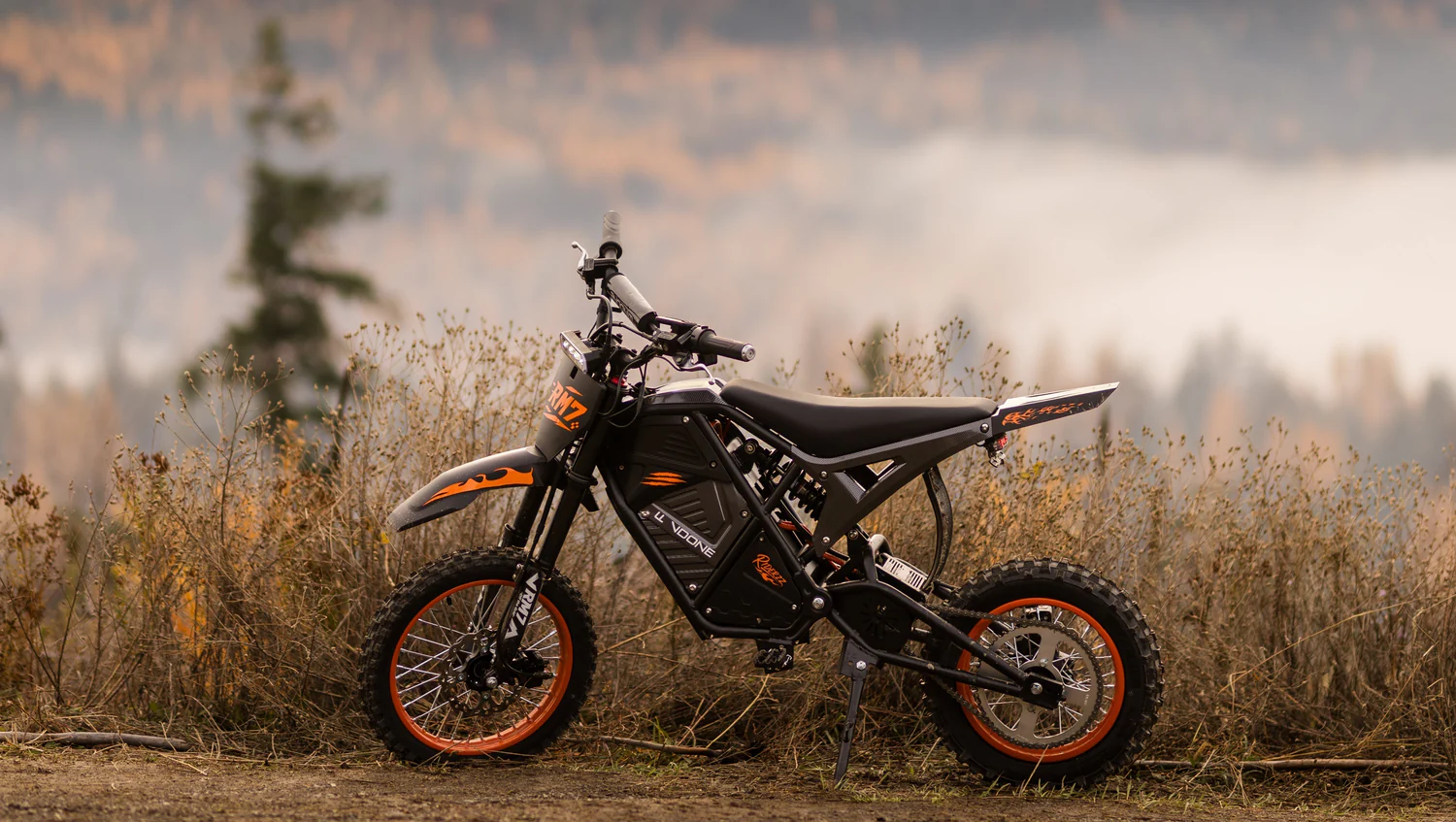
Electric dirt bikes often spark strong first impressions. Quiet operation, instant torque, and low maintenance sound appealing, especially to riders coming from gas-powered bikes. But initial appeal doesn’t always translate into long-term satisfaction.
Once the novelty wears off, riders tend to ask a more practical question: are electric dirt bikes actually worth owning over time? The answer depends less on peak performance and more on how these bikes fit into real riding habits year after year.
What “Worth It” Means After the First Season
In the long run, value isn’t defined by specs alone. It’s shaped by how often the bike gets ridden, how much effort ownership requires, and whether the experience stays enjoyable beyond the first few months.
Many riders find that electric dirt bikes lower the barrier to riding. Shorter prep time, quieter operation, and simpler upkeep make it easier to ride casually rather than only on planned outings. Over time, that convenience often matters more than raw capability.
A bike that gets ridden regularly—even in shorter sessions—tends to feel like a better investment than one with higher performance that stays parked most of the year.
Maintenance and Ownership Over Time
One of the biggest long-term considerations is maintenance. Gas dirt bikes require ongoing attention: oil changes, fuel systems, engine tuning, and more frequent mechanical checks. For riders who enjoy working on their bikes, this can be part of the appeal. For others, it becomes friction.
Electric dirt bikes simplify ownership in that regard. With fewer moving parts and no fuel system to manage, routine upkeep is often reduced. That doesn’t mean electric bikes are maintenance-free—components still wear, and batteries eventually age—but the day-to-day demands are generally lighter.
Over several seasons, that difference can affect how owners feel about riding. Less maintenance often means fewer skipped rides and less hesitation about pulling the bike out for a quick session.
Battery Longevity and Realistic Expectations
Battery lifespan is one of the most common long-term concerns. In practice, battery performance tends to decline gradually rather than fail suddenly. Most riders adjust to slightly reduced range long before replacement becomes necessary.
Importantly, many off-road rides don’t require maximum range. Short, frequent rides are common, and charging routines often become part of regular ownership without much disruption. When expectations align with actual riding habits, battery aging feels manageable rather than limiting.
Riders comparing different electric dirt bike options often find that long-term satisfaction depends more on how they ride than on chasing the largest battery on paper.
Riding Enjoyment Beyond the Learning Phase
Electric dirt bikes often feel especially accessible early on. Smooth power delivery and predictable response help riders build confidence quickly. The question is whether that experience holds up over time.
For many riders, it does—because the bike continues to reward good technique. Trails still demand balance, line choice, and control. Electric power doesn’t remove challenge; it changes how feedback is delivered. Riders who enjoy refining their skills often appreciate that consistency.
Rather than growing out of the bike, some riders grow into it, finding that familiarity improves their riding experience rather than diminishing it.
Cost Considerations Over the Long Term
Upfront cost is often higher for electric dirt bikes, but long-term costs can balance out. Reduced fuel expenses, fewer consumables, and simpler servicing can offset the initial price difference over time.
That doesn’t mean electric dirt bikes are universally cheaper to own. Battery replacement, when it eventually comes into play, is a real cost. The key is whether the bike delivers enough riding value before that point.
For riders who ride frequently and value convenience, the overall cost-to-use ratio often feels reasonable over several years.
Market Stability and Product Maturity
Another long-term consideration is whether the category itself is stable. Early adopters often worry about being left with unsupported products if a segment fades.
Electric dirt bikes have moved beyond the experimental phase. More manufacturers are committing to the category, refining designs, and expanding product lines. Brands like Qronge reflect this shift, treating electric dirt bikes as a serious part of the off-road market rather than a short-term experiment.
This growing maturity suggests that support, parts availability, and continued development are more likely than they were just a few years ago.
When Electric Dirt Bikes May Not Be the Right Long-Term Choice
Electric dirt bikes aren’t ideal for every rider. Those who prioritize long, uninterrupted rides in remote areas may find charging logistics limiting. Riders deeply attached to engine sound and traditional mechanical involvement may also prefer gas bikes over time.
Long-term value depends on alignment. If the bike matches how and where you ride, it’s more likely to feel worthwhile. If it requires constant compromise, satisfaction tends to fade regardless of technology.
Final Thoughts
So, are electric dirt bikes worth it in the long run? For many riders, the answer comes down to use, not novelty. Electric dirt bikes tend to reward frequent, practical riding rather than occasional high-intensity use.
When expectations are realistic and riding habits align with what electric power does well, these bikes often hold their value—not just financially, but in how consistently they get used. Over time, that consistency is what defines whether an off-road bike is truly worth owning.


