



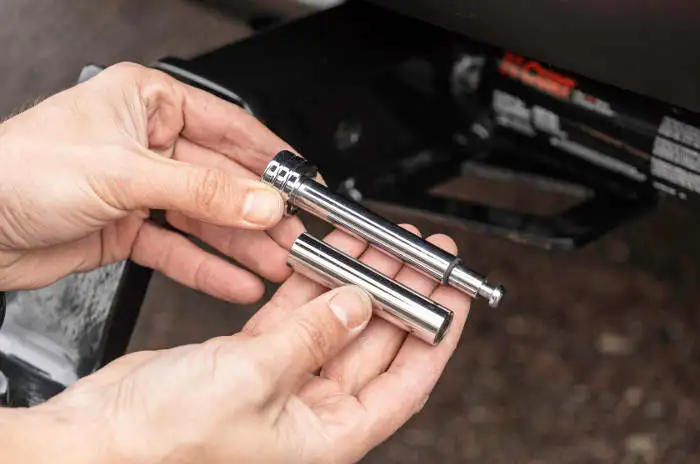
Key Takeaways:
- Identify the different types of locking pins and their applications.
- Understand the key features to look for when choosing a locking pin.
- Gain insight into the safety implications and best practices in usage.
Table of Contents:
- Introduction to Locking Pins
- The Various Types of Locking Pins Available
- Crucial Features to Consider When Selecting a Locking Pin
- The Role of Materials and Manufacturing in Locking Pin Quality
- Understanding the Safety Standards for Towing Accessories
- Installation Tips for Secure and Effective Use
- Maintenance and Care for Longevity of Locking Pins
- Future Trends in Locking Pin Technology
Introduction to Locking Pins
The world of towing and hauling is replete with various components and accessories critical to transport safety. Among these components, locking pins hold an unassuming yet crucial role in ensuring the secure fastening of a trailer to a towing vehicle. Properly selecting and using hitch pins with lock are fundamental to preventing the trailer from accidentally decoupling, which could lead to catastrophic road incidents.
It’s imperative for anyone involved in towing—be it for recreational or commercial purposes—to make an informed choice when it comes to the locking mechanisms they rely upon to keep their cargo secure. Phoenix Towing Near Me : We Provide a Tow Truck Service Phoenix Natives can Count On.
1. The Various Types of Locking Pins Available
Locking pins are not a one-size-fits-all solution, and the market offers many options designed to meet a wide array of towing scenarios. The choices can be overwhelming, from standard hitch pin locks that offer a basic locking mechanism to more sophisticated swivel locks and coupler pins. The swivel lock assists in maneuverability, allowing ease of access and locking capability. In contrast, the specifically shaped coupler pins are designed to fit snugly into trailer couplers, thereby increasing security. Recognizing the type of trailer, towing setup, and security needs you have will steer you toward the right kind of locking pin.
2.Crucial Features to Consider When Selecting a Locking Pin
Various features should influence your decision with many locking pins on the market. The pin’s durability is critical, as it must withstand the stress and vibration of towing over long distances and varied terrains. Moreover, the ease of use comes into play—locking and unlocking the pin should not be a cumbersome process, albeit secure.
In addition, a compatible locking pin with your hitch receiver is non-negotiable to ensure the effectiveness of the locking mechanism. Anti-corrosion properties and tamper-resistant designs are additional aspects that enhance the security and longevity of the pin. Always look for a balance between user-friendliness and a robust lock that safeguards against theft and accidental uncoupling.
3.The Role of Materials and Manufacturing in Locking Pin Quality
The integrity of a locking pin is inextricably linked to the materials chosen for its construction. High-grade steel is an industry favorite, known for its exceptional strength and resistance to severe treatment like cutting or drilling attempts
. Manufacturers use sophisticated machinery processes and opt for hardened finishes to ensure the product can endure the demands. Such attention to materials and manufacturing processes culminates in a locking pin that meets and exceeds safety expectations, providing peace of mind to those in charge of towing operations.
4.Understanding the Safety Standards for Towing Accessories
Regulatory compliance with towing accessories such as locking pins is non-negotiable. Safety benchmarks established within the industry dictate the minimum requirements these components must adhere to—the load-bearing capacity, resistance to environmental conditions, or longevity. Evaluating locking pins against these safety standards ensures that the products are up to the task of keeping trailers securely attached, mitigating the risk of accidents. Vigilance in adhering to these standards protects the towing party and all road users from the dire consequences of towing failures.
5.Installation Tips for Secure and Effective Use
The efficacy of a locking pin is contingent upon proper installation. Before any towing begins, it is paramount to ensure the pin is correctly inserted and the locking mechanism is snugly engaged.
It is advisable to refer to the manufacturer’s instructions for specific instructions on how to install the pin securely. Additionally, it is good practice to undertake periodic checks during travel to confirm that the locking pin remains tightly fastened, thereby averting potential disengagement during the journey.
6.Maintenance and Care for Longevity of Locking Pins
Regular maintenance is pivotal to preserving the condition and reliability of your locking pins. Debris, rust, and wear can imperil a locking pin’s function over time. Simple steps such as routinely cleaning the pin, applying lubricant, and inspecting for any signs of damage extend the usable life of this critical towing component. A well-cared-for locking pin performs better and reinforces the overall towing setup’s safety.
7.Future Trends in Locking Pin Technology
The horizon for locking pin technology indicates a trend toward integrating digital features, such as electronic locks that can be controlled remotely, adding a new dimension of convenience and security.
The industry also focuses on designing locking pins increasingly resistant to tampering, employing advanced materials and innovative manufacturing techniques. These trends suggest a future where technological advancements bolster towing safety, giving users more robust tools to secure their cargo.


