



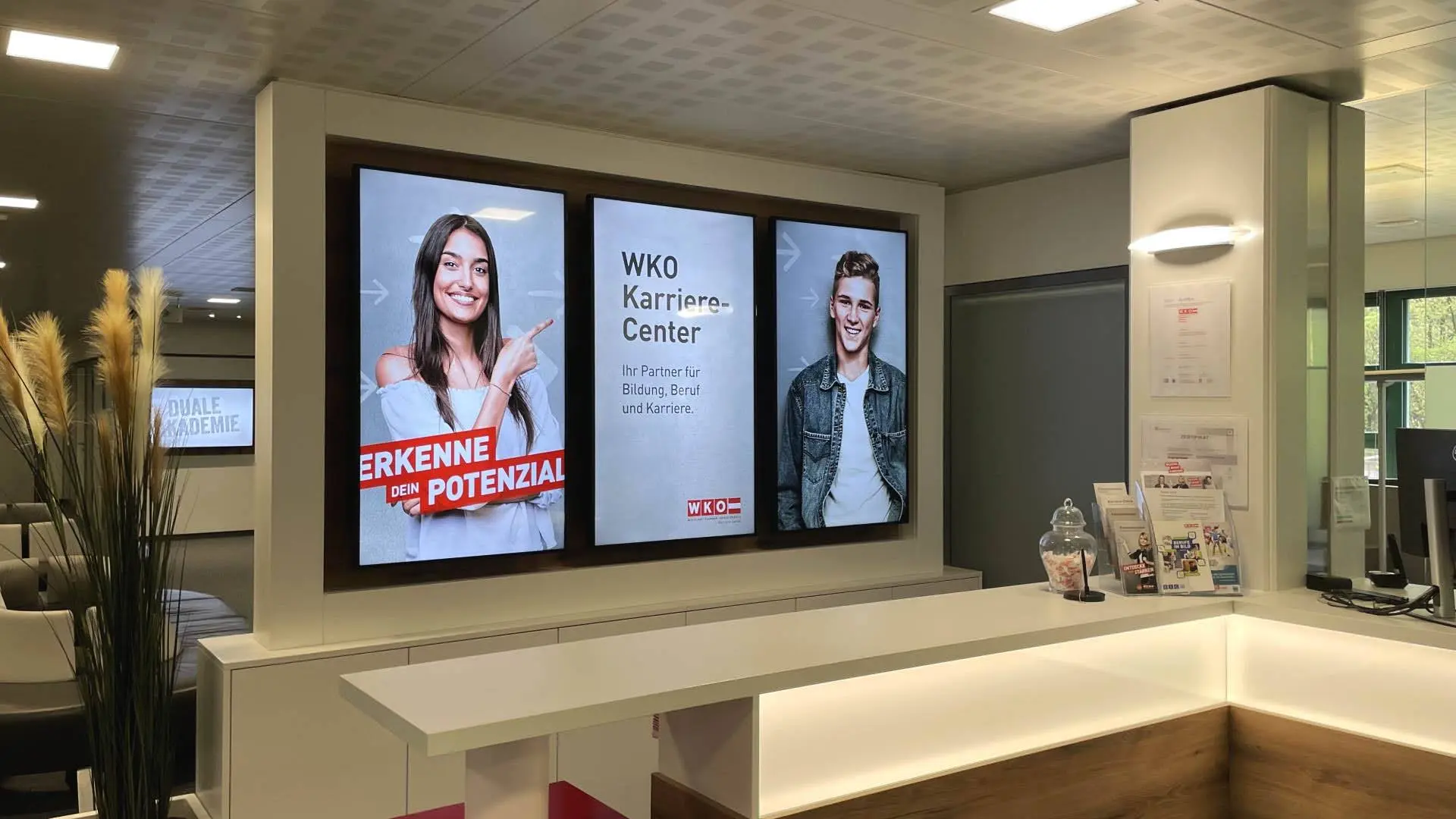
Screens across offices, retail stores, restaurants, and public spaces now play a vital role in communication. Businesses rely on visual displays to share information, promote services, and create engaging customer experiences. Clear messaging, attractive visuals, and smooth content updates help organizations stay relevant in fast-moving environments.
A reliable digital signage solution enables businesses to manage screen content from a central platform, maintaining flexibility and efficiency. Modern platforms offer advanced tools that simplify content management and display control. This article highlights the key features that define a modern digital signage system and explains how these capabilities support effective visual communication.
Simple Content Management Interface
Ease of use remains one of the most important qualities in any signage platform. A well-designed dashboard allows teams to create, organize, and update content without technical complexity. Modern systems often include drag-and-drop functionality and visual editing tools. These features help teams design screen layouts quickly.
Essential Content Tools
- Media library for image and video storage
- Playlist creation for scheduled content rotation
- Template options for quick design updates
- Central dashboard for display management
A user-friendly interface allows businesses to focus on messaging rather than software challenges.
Flexible Screen Scheduling Options
Content timing plays a major role in successful digital signage. Modern platforms provide scheduling tools that allow businesses to display specific content at the right moment. Restaurants may display breakfast menus early in the day and dinner promotions later in the evening. Retail locations can highlight special offers during peak hours.
Scheduling Capabilities
- Date and time-based content display
- Day-specific playlists
- Holiday or event scheduling
- Automated rotation of campaigns
These options help ensure that the right message appears at the right time across multiple locations.
Cloud-Based Display Control
Cloud technology has transformed how businesses manage visual displays. Instead of manual updates on each screen, administrators can control displays remotely through a secure online dashboard. Cloud-based control allows content updates from almost any location. A simple login provides access to all connected screens.
This feature supports organizations with multiple locations. Corporate teams can maintain consistent messaging while local managers adjust content for regional needs. Remote management also reduces operational effort since updates no longer require on-site technical assistance.
Multi-Screen and Multi-Location Support
Modern signage platforms must support networks that include many displays across different locations. A strong system allows centralized control while maintaining flexibility for local customization. Retail chains, corporate offices, and healthcare facilities often operate dozens or even hundreds of screens. Efficient grouping and device organization become essential.
Multi-Location Features
- Screen grouping for easier content distribution
- Regional content customization
- Device status monitoring
- Network-wide content deployment
These features allow large organizations to maintain consistent branding and communication across all screens.
Strong Security and System Reliability
Security and reliability remain essential for any technology platform that controls public displays. Organizations require confidence that their messaging remains protected and consistent. A modern digital signage solution often includes secure user permissions, encrypted connections, and regular system updates. These safeguards protect content from unauthorized access and ensure stable performance.
Reliable infrastructure also supports uninterrupted screen operation. Businesses rely on these displays to communicate promotions, information, and brand messaging throughout the day. Strong security combined with dependable performance ensures a professional and trustworthy signage experience.
Digital signage continues to evolve as a powerful communication tool for modern businesses. User-friendly content management, flexible scheduling, and cloud-based control form the foundation of an effective system. Multi-location support and real-time content integration expand its impact across different industries. Strong security and reliability further strengthen its value. A well-designed platform enables organizations to deliver clear, engaging messages that enhance customer experience and brand visibility.


